Make your Visit to the Beach a Breeze: Tips to Ensure a Great Experience at Charleston County’s Beach Parks (Parking, Currents, Pets and more)

Read More

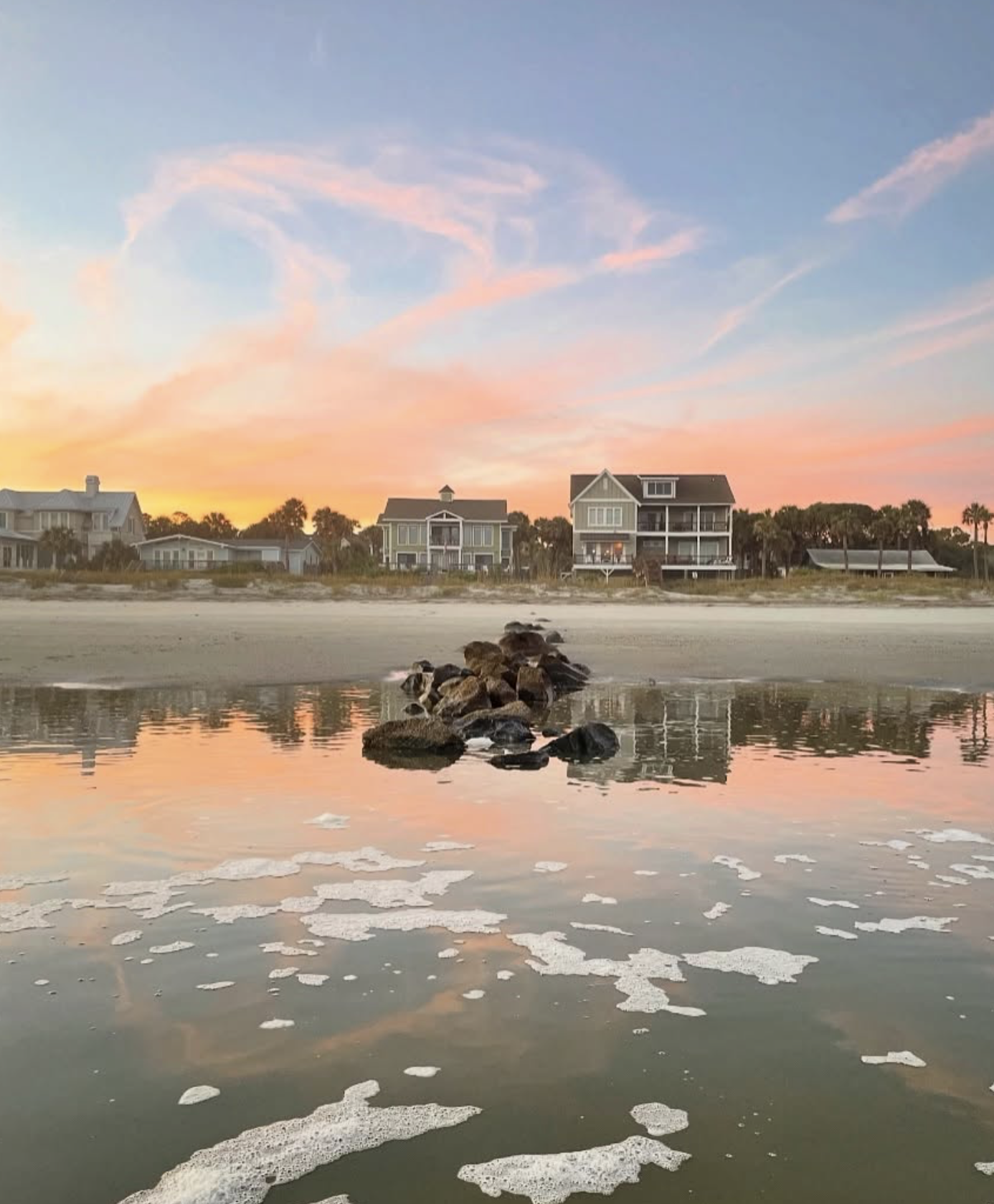
(CHARLESTON COUNTY) – Summer is coming, and the Lowcountry’s beaches will soon become very busy. To make it as enjoyable and as safe of an experience as possible, Charleston County Parks encouragesbeachgoers to familiarize themselves with important information and best practices before planning their next beach trip. 

The Charleston County Park and Recreation Commission (CCPRC) operates Folly Beach County Park, Isle of Palms County Park, and Kiawah Beachwalker Park. From spring break through September, the beaches are typically quieter on weekdays, with Fridays, weekends and holidays seeing larger crowds. CCPRC encourages beachgoers to take note of the following tips and important information:

Park Capacity

While approaching the islands, CCPRC encourages drivers to look for digital highway signs denoting beach parking capacity. The status of the parking lot for CCPRC’s beach parks will be updated in real time by staff, so guests know before they reach the park if parking is full.
Kiawah Beachwalker Park has 150 parking spots and usually fills to capacity by 10 a.m. in the summer. The Town of Kiawah prohibits vehicles from idling or parking outside the entrance to Kiawah Beachwalker Park. When the park is full, staff can add guests to a virtual line, but they will be directed to move and wait elsewhere. Text notifications alert customers as they move to the front of the queue. Parking for buses, RVs and campers is not guaranteed.

Isle of Palms County Park has 445 parking spots and usually fills to capacity by 10:30 a.m. on weekends and holidays, with spots often becoming available again in the late afternoon. When parking is full, police will allow about 20 vehicles to wait in line for spaces to open. Once the turn lane outside the park is full, police will direct vehicles to move and wait elsewhere. Be aware of City of Isle of Palms parking ordinances. And note that there are only two lanes of traffic leaving Isle of Palms and Sullivan’s Island. On a crowded day, if weather or another event causes many people to try leaving the islands at once, traffic will back up, and it could take up to two hours for the park to empty. The free CARTA Beach Reach Shuttle is another way to access Isle of Palms County Park. 

Folly Beach County Park has 225 parking spots and usually fills to capacity by 10:30 a.m. on weekends and holidays, with spots often becoming available again in the late afternoon. When the parking lot is full, look for City of Folly Beach parking lots on West Ashley Ave. to prevent blocking roads and driveways. Review City of Folly Beach parking ordinances in order to avoid being towed or ticketed.

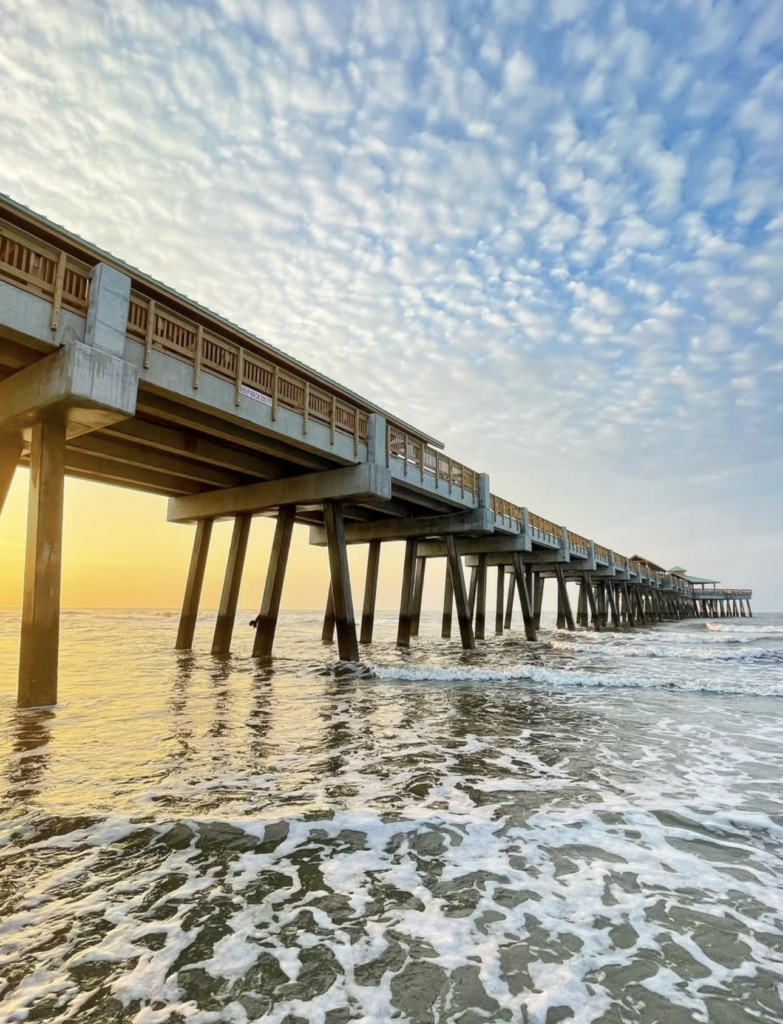
The beach surrounding the Folly Beach Pier can be a troublesome location for rip currents. Staff at the pier frequently respond to emergencies when patrons swim too close to the pier and get caught in rip currents. When swimming in the vicinity of a pier, stay at least 200 feet away from the structure. Also, learn how to spot a rip current and how to escape them by swimming parallel to the shore. Learn more on the USLA website at https://www.usla.org/page/RIPCURRENTS.

Pets on the Beach

Pets must always remain leashed within the beach parks, but are not permitted on the Folly Beach or Mount Pleasant Piers. Each municipality has their own ordinances pertaining to dogs on the beach: 

City of Folly BeachCity of Isle of PalmsTown of Kiawah Island

Alcohol & Smoking

Possession and consumption of alcohol, as well as smoking, vaping and tobacco use are prohibited at CCPRC beach parks.

Additional beach park rules and information can be read on the parks’ webpages: https://www.ccprc.com/parks/.

Other safety tips

·   Swim near a lifeguard when possible and obey their commands

·   Watch children at all times

·   Seek shelter when lightning is in the area

·   In case of separation, take a photo of your group when you arrive, to aid in a search if someone were to go missing

·   Bring water and stay hydrated
Other Resources

Keep up to date on the latest beach traffic reports by downloading the Berkeley-Charleston-Dorchester Council of Government’s Beach Reach app, available for Apple and Android. Also consider taking the free CARTA Beach Reach Shuttle to Isle of Palms County Park.

For more information on Charleston County Parks beach parks and safety, call 843-795-4386 or visit CharlestonCountyParks.com – https://www.ccprc.com/parks/.

Stay connected and subscribe to Charleston Daily.

Charleston’s Best Espresso Martinis: 5 Must-Visit Spots for the Perfect Buzz 


By Mark A Leon

Charleston’s cocktail scene has fully embraced the espresso martini revival, blending the city’s deep coffee culture with its reputation for creative mixology. Whether you’re looking for a rooftop sip, a dessert-style indulgence, or a perfectly balanced classic, the Holy City offers no shortage of standout options. Here are five of the best places to find a truly memorable espresso martini in Charleston—and why each one is worth your time.

🍸 The Watch Rooftop Kitchen & Spirits

If you want your espresso martini with a view, this rooftop bar delivers one of the most polished versions in the city. Their cocktail is built with freshly brewed espresso and layered with carefully selected liqueurs, creating a drink that balances bitterness and sweetness beautifully. The added touch of hazelnut notes and a creamy finish elevates it beyond a standard recipe. Pair that with panoramic views of downtown Charleston, and it becomes more than just a drink—it’s an experience.

Website: https://thewatchcharleston.com

🍸 The Palmetto Hotel Lobby Bar

This stylish lobby bar has developed a cult following for its inventive take on the espresso martini, often referred to as “The Reveler.” Instead of sticking strictly to vodka, their version leans into Charleston’s history with rum, layered with espresso, cacao, and even dulce de leche foam. The result is rich, slightly decadent, and undeniably unique. Locals rave about its texture and flavor complexity, making it a must-try for anyone looking beyond the classic.

Website: https://www.palmettohotelcharleston.com


The Palmetto Hotel

🍸 Vintage Lounge

Tucked along King Street, this intimate, speakeasy-style bar is known for its attention to detail—and that shows in its espresso martini. Bartenders here focus on achieving the perfect foam and silky consistency, which is key to a great version of the drink. The cozy, vintage atmosphere makes it an ideal late-night stop, and the cocktail itself leans toward a smooth, creamy profile that’s easy to sip.

Website: https://www.vintageloungechs.com

🍸 Edmund’s Oast

For those who appreciate a more refined, less sweet espresso martini, this spot offers a standout variation. Their “New Orleans Espresso Martini” incorporates chicory liqueur and quality espresso, giving the drink a deeper, slightly more bitter edge. It’s a more sophisticated take—perfect for cocktail purists who want balance over sugar.

Website: https://www.edmundsoriginal.com

🍸 The Belmont

A staple of Charleston nightlife, The Belmont is known for its expertly crafted cocktails and lively yet polished vibe. Their espresso martini is a classic done right—smooth, bold, and finished with that signature velvety foam. It’s the kind of place where bartenders take pride in consistency, making it a reliable go-to whether you’re starting your night or ending it.

Website: https://www.thebelmontchs.com

The Watch


☕ Why Charleston Excels at Espresso Martinis

The espresso martini has surged in popularity nationwide, but Charleston stands out because it merges high-quality local coffee with a serious craft cocktail scene. Bartenders here aren’t just mixing vodka and espresso—they’re experimenting with rum, specialty liqueurs, and house-made foams to create something distinctly Lowcountry.

🍸 Final Sip

From rooftop elegance to cozy speakeasies, Charleston offers an espresso martini for every mood. Whether you prefer a classic, spirit-forward version or a rich, dessert-like twist, these spots showcase why this cocktail has become one of the city’s most sought-after nightcaps.

Stay connected and subscribe to Charleston Daily.

Crossing the Line: Why Charleston Must Confront the Deadly Reality of Jaywalking on the Peninsula

Read More

By Mark A Leon

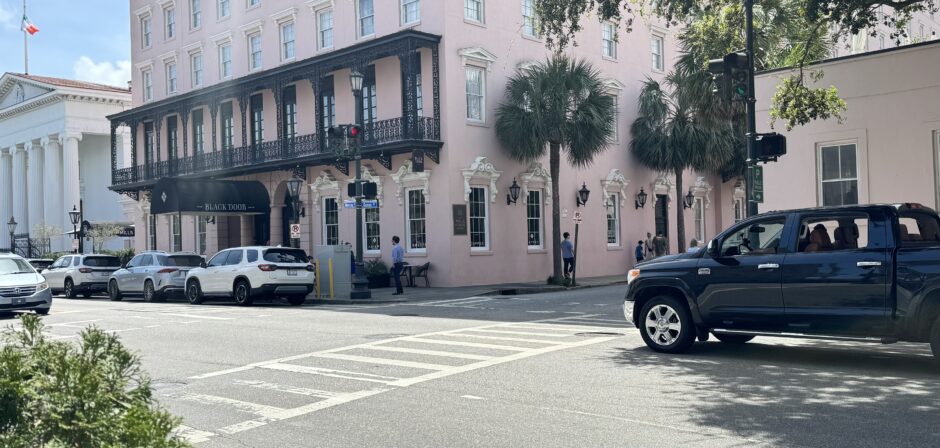
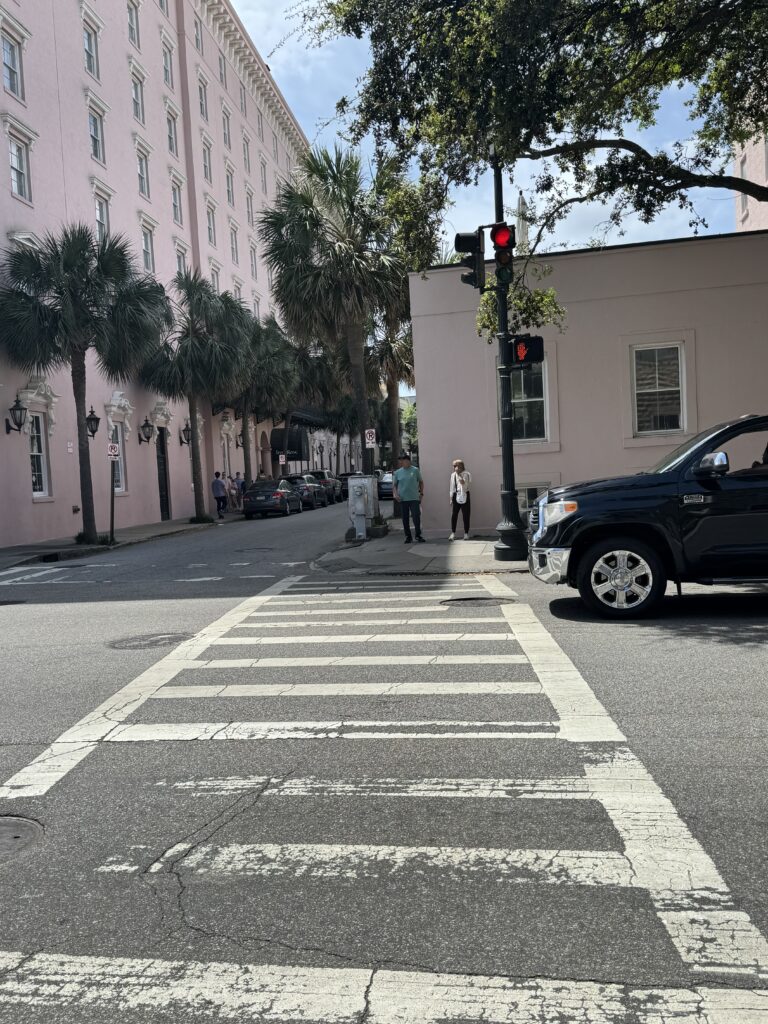
Charleston, South Carolina’s historic peninsula is one of the most walkable and visually celebrated urban environments in the United States. Yet beneath its charm lies a growing public safety concern: pedestrian behavior—particularly jaywalking—has become an increasingly dangerous factor contributing to serious injuries and fatalities. While infrastructure improvements and driver accountability are essential, stronger enforcement of jaywalking laws must be part of the solution.

Charleston’s narrow streets, dense tourism, and constant vehicle flow create a uniquely hazardous environment for pedestrians who cross outside designated areas. Unlike modern cities designed with wide sidewalks and controlled crossings, the peninsula’s historic layout leaves little margin for error. When pedestrians step into traffic unexpectedly, drivers often have only seconds to react—especially on busy corridors like King Street or the Crosstown. This unpredictability significantly increases the likelihood of collisions.

The data underscores the urgency. Between 2018 and 2022, the Charleston metropolitan area recorded 147 pedestrian fatalities, placing it among the more dangerous regions in the country for walkers.  Even more concerning, Charleston Police reported 259 vehicle-pedestrian collisions in just a three-year period, with roughly 70% resulting in hospitalization.  These are not isolated incidents—they reflect a systemic safety issue.

A key contributor to these accidents is crossing behavior outside of marked crosswalks. National safety research shows that nearly 60% of pedestrian deaths occur away from crosswalks, where drivers are less likely to anticipate foot traffic.  In a city like Charleston, where traffic patterns are already complicated by tourism, rideshares, and delivery vehicles, jaywalking amplifies this risk dramatically.


Recent tragedies on the peninsula highlight the real-world consequences. In December 2025, a pedestrian was struck and killed on King Street—one of the city’s busiest corridors—marking the seventh auto-pedestrian fatality of the year investigated by Charleston Police.  Incidents like this are not anomalies; they are part of a troubling pattern. Downtown intersections such as King & Broad and the Septima P. Clark Parkway corridor have long been identified as high-risk zones for pedestrian-vehicle conflicts. 

Jaywalking not only endangers the individual crossing the street but also creates ripple effects that can harm drivers and other motorists. Sudden stops, swerving, and chain-reaction crashes can occur when a pedestrian enters traffic unexpectedly. In many cases, pedestrians have little protection against the force of a vehicle, often resulting in catastrophic injuries such as head trauma or spinal damage. 

Critics may argue that enforcement unfairly targets pedestrians or detracts from larger infrastructure issues. However, enforcement and education can work hand in hand. Clear, consistent policing of jaywalking laws would reinforce safe crossing habits, particularly in high-traffic tourist areas where visitors may be unfamiliar with local traffic patterns. Just as seatbelt laws and DUI enforcement have changed driver behavior over time, pedestrian compliance can improve through visible accountability.

Ultimately, Charleston’s identity as a walkable, historic city depends on its ability to protect those on foot. Strengthening enforcement of jaywalking laws is not about punishment—it is about prevention. With rising pedestrian fatalities and a growing population, the city cannot afford to ignore the role unsafe crossing behavior plays in these incidents. Proactive enforcement, combined with public awareness and smarter urban design, can help ensure that Charleston’s streets remain not only beautiful, but safe for everyone.

Stay connected and subscribe to Charleston Daily.

Related: Charleston metro ranks #9 in deadliest metro areas for pedestrians, study reveals – ABC News 4

Crack Into Spring: Charleston’s Soft Shell Crab Season Is Here (and It’s Deliciously Messy)

By Mark A Leon

The Darling Oyster Bar


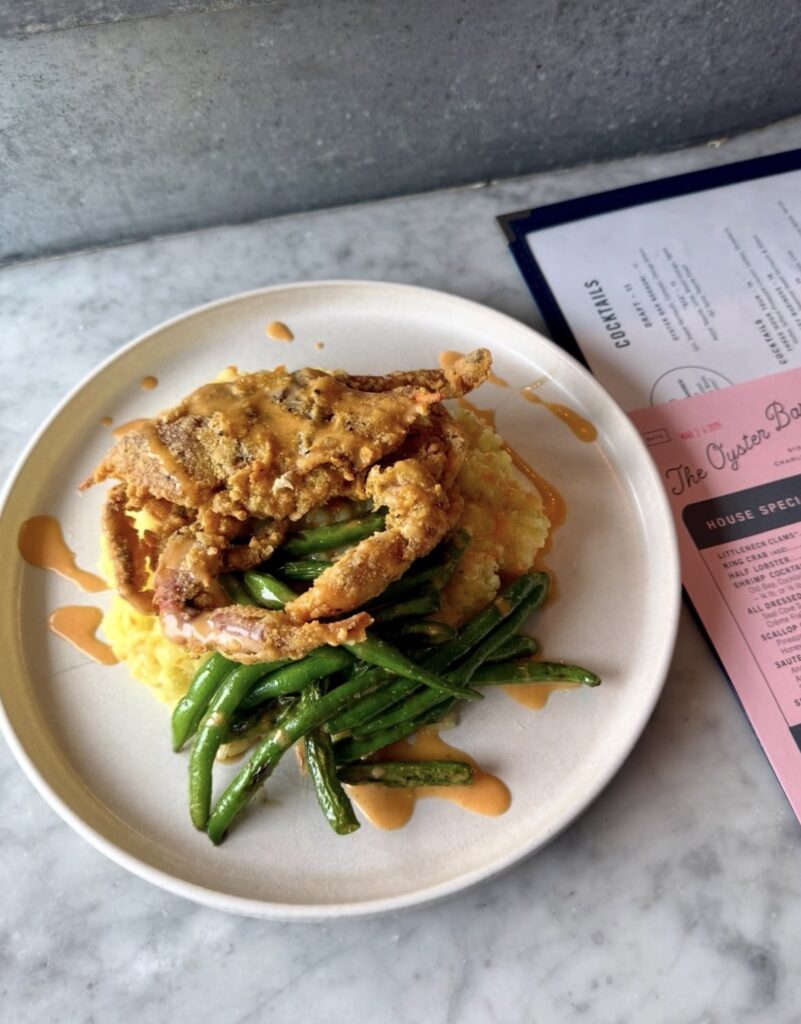
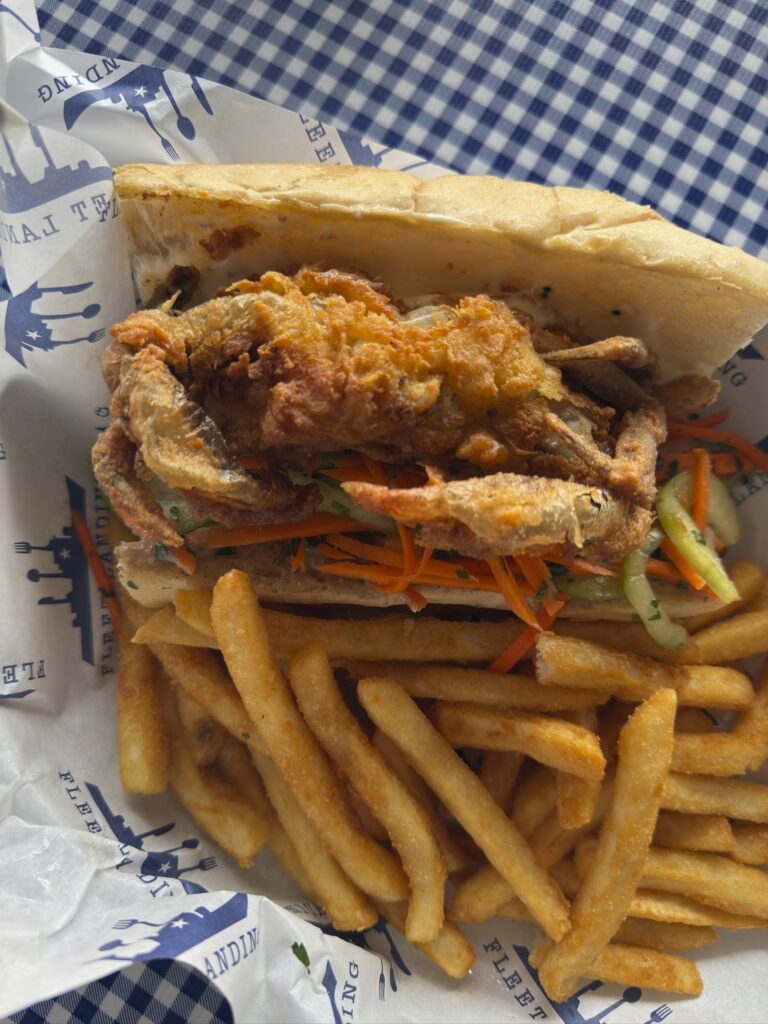
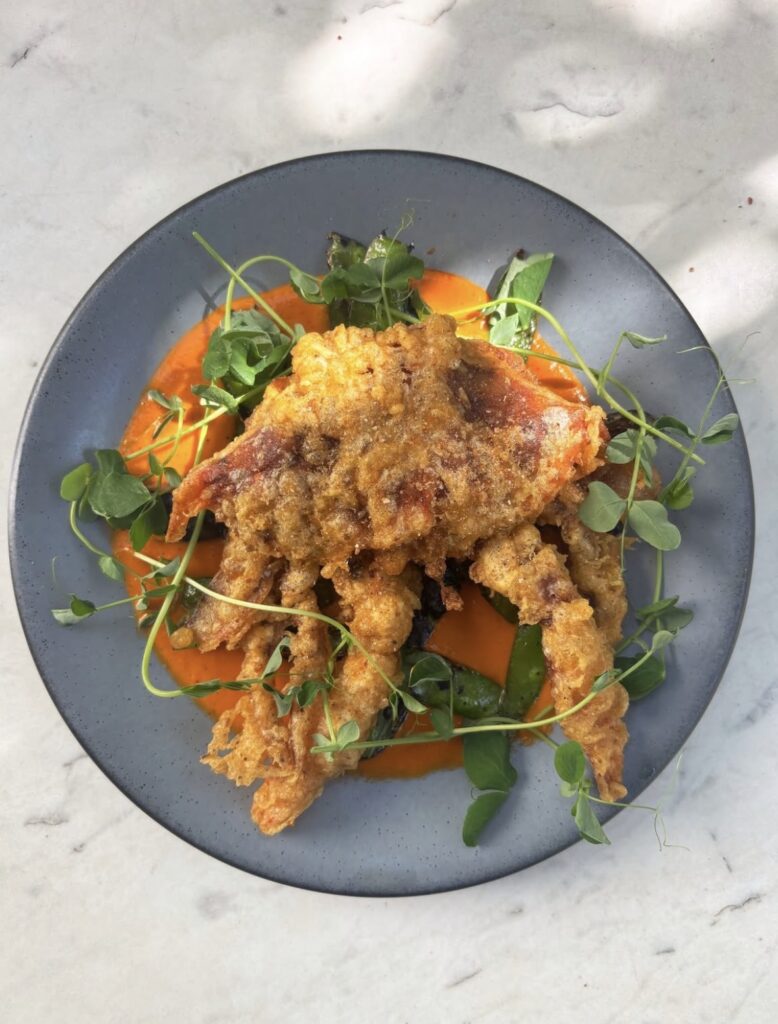
Each spring in Charleston, a fleeting culinary tradition returns: soft shell crab season. For a few short months—typically March through early summer—Lowcountry menus come alive with this delicacy, prized for its tender texture and rich, briny flavor. As the crabs molt, they are harvested at just the right moment, allowing diners to enjoy them whole—shell and all. This short window creates a sense of urgency, with locals and visitors alike seeking out the best plates across the city.  

Among the most iconic places to indulge is Fleet Landing Restaurant & Bar, where soft shell crab is often served fried and paired with classic Southern sides like grits. Learn more at Fleet Landing. For a more refined take, The Darling Oyster Bar showcases soft shells with seasonal vegetables and elegant sauces; explore their menu at .

Fleet Landing


Downtown, The Ordinary elevates the dish with precise technique and thoughtful accompaniments, while Slightly North of Broad Restaurant (SNOB) often incorporates soft shells into its ever-changing seasonal menu. Both are excellent examples of Charleston’s ability to blend tradition with culinary innovation.

For a more casual but equally memorable experience, 167 Raw serves a standout tempura-fried soft shell crab sandwich layered with bold, modern flavors.   Check them out at 167 Raw. Meanwhile, Charleston Crab House remains a longtime favorite for approachable, family-friendly seafood, with several locations throughout the area; visit Charleston Crab House.  

A newer standout to add to the list is Park & Grove, where chefs have been known to feature soft shell crab as both an appetizer and entrée with globally inspired flavors.   Discover more at Park & Grove.

What makes soft shell crab in Charleston so special is its fleeting nature. Menus shift daily based on availability, and dishes often sell out quickly. That unpredictability only adds to the excitement—making each perfectly crisp, golden crab feel like a true taste of the season.

Park & Grove

Where Southern Charm Meets Stardom: Inside Charleston’s Celebrity Coastal Hideaway


By Mark A Leon


Charleston’s blend of historic charm, coastal beauty, and relative privacy has quietly transformed the Lowcountry into a magnet for high-profile residents. From oceanfront estates on barrier islands to tucked-away homes in Mount Pleasant’s Old Village, a surprising number of celebrities now call the Charleston area home—at least part-time—bringing national attention to places like Kiawah Island, Sullivan’s Island, and Isle of Palms.

Sullivan’s Island: The Celebrity Enclave

Among the most star-studded pockets of the Lowcountry is Sullivan’s Island, long favored for its understated elegance and lack of commercial overdevelopment. Comedy legend Bill Murray is perhaps the area’s most visible local, frequently spotted at Charleston RiverDogs games and neighborhood restaurants. Late-night host Stephen Colbert also maintains a home here, returning often to his hometown roots.

Adding to the island’s A-list appeal, Academy Award winner Reese Witherspoon reportedly owns a beach house, while actors Danny McBride and John Goodman have both put down roots after filming projects in the region. 


Isle of Palms: Music and Coastal Living

Just across the inlet, Isle of Palms offers a slightly more resort-oriented lifestyle, attracting musicians and entertainers. Charleston native and Hootie & the Blowfish frontman Darius Rucker owns a home here and remains deeply connected to the community through performances and philanthropy. 

The island’s golf courses and beachfront properties make it especially appealing for celebrities seeking a balance between privacy and social life.

Mount Pleasant: Old Village Meets Modern Fame

Across the Cooper River, Mount Pleasant—particularly the Old Village—has quietly become a haven for creative professionals. Singer-songwriter Michelle Branch and Patrick Carney have a home here, blending into a community known for its coastal charm and family-friendly atmosphere. 

Mount Pleasant offers proximity to downtown Charleston while maintaining a quieter, residential feel—an ideal mix for celebrities raising families.


Kiawah Island: Seclusion and Luxury

For those seeking true privacy, Kiawah Island stands apart. This gated barrier island is synonymous with exclusivity, attracting high-profile figures looking to escape the spotlight. Former South Carolina governor Nikki Haley owns a home here, and Olympic figure skater Tara Lipinski has also been linked to the island. 

Kiawah’s world-class golf courses, expansive estates, and natural beauty make it one of the most desirable celebrity retreats in the Southeast. 

A Growing Celebrity Footprint

Beyond these areas, the broader Charleston region continues to attract actors, musicians, and public figures drawn by its slower pace, architectural beauty, and tight-knit community. Whether it’s a primary residence or a second home, these celebrities are not just passing through—they are investing in and contributing to the culture of the Lowcountry.

In a city known for preserving its past, Charleston is quietly building a modern identity as a coastal haven for some of the country’s most recognizable names.

Stay connected and subscribe to Charleston Daily.
Observations from a Porch of an Aging Farmer in a Changing South

Read More
Screenshot

By Mark A Leon

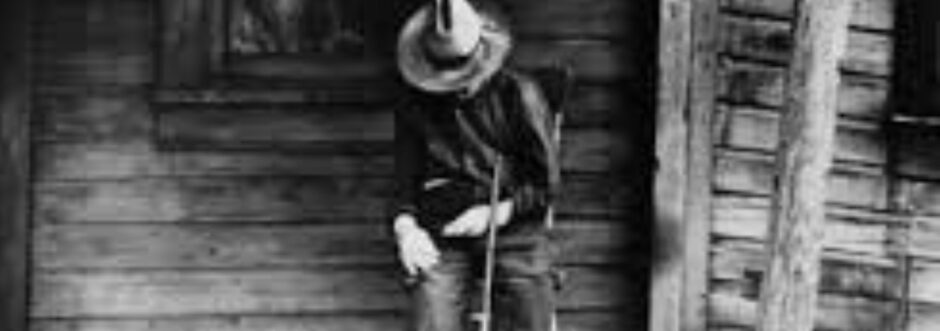
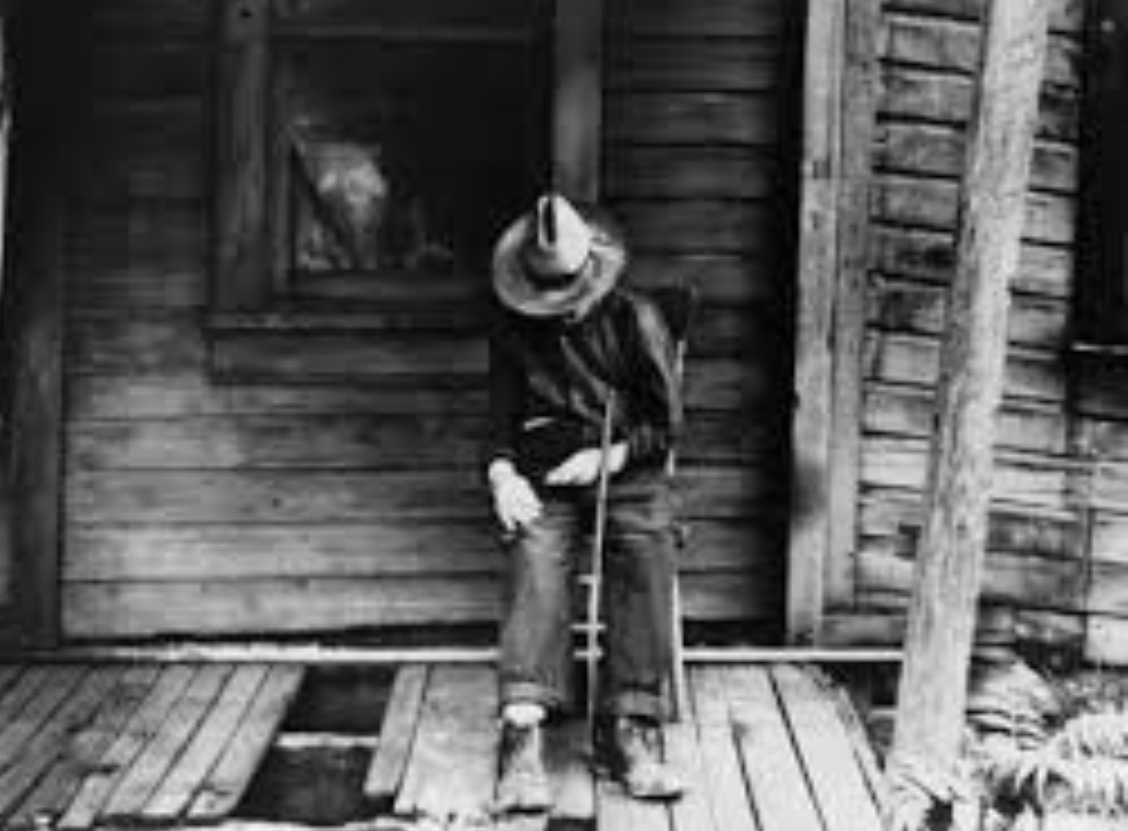
The porch is still there. Weathered boards, a couple of rocking chairs, maybe a ceiling fan that hums more out of habit than necessity. But everything beyond that porch—everything that once defined a Southern farmer’s life—has changed.

Where fields once stretched uninterrupted to the horizon, there are now subdivisions, solar farms, and “For Sale” signs that don’t stay up long. The land is still rich, but its purpose feels less certain. Farming, once a way of life passed down like a family recipe, is now a business measured in margins, data, and global markets.

And yet, the porch remains a place to sit and think.

An aging Southern farmer today doesn’t just watch the weather roll in—he checks it on his phone first. He tracks crop prices before sunrise and reads about droughts halfway across the world that will somehow affect his own yield. The rhythm of the land is still there, but it now beats alongside the pulse of technology and uncertainty.

What hasn’t changed is the weight of memory.

From that porch, he remembers when neighbors didn’t need invitations—just a slowing truck and a wave. When evenings meant stories instead of screens. When the only noise was cicadas and distant laughter, not the steady hum of traffic creeping closer year by year.


Rural America is shrinking in some ways and stretching in others. Young people leave for cities, chasing opportunity, while newcomers arrive looking for quiet they don’t quite understand yet. The culture shifts, subtly at first, then all at once.

Still, the porch offers perspective.

It’s where past and present sit side by side. Where a man can hold onto what was while trying to make sense of what is. The land may no longer define life the way it once did, but it still shapes the soul of those who’ve worked it.

And maybe that’s the truth of it.

The South isn’t disappearing—it’s evolving. Faster than some would like, slower than others expect. But on that porch, with the same wide sky overhead, there’s a quiet understanding:

Some things are worth holding onto.

Even as everything else changes.

Stay connected and subscribe to Charleston Daily.
Charleston Reimagined: A Playful New Vision for a Family-Friendly Downtown

Read More
Screenshot


By Mark A Leon

Downtown Charleston, SC is on the cusp of a bold and imaginative transformation, as city leaders and community planners continue shifting their focus toward creating more engaging, family-friendly public spaces. While Charleston has long been celebrated for its history and architecture, a new vision is emerging—one that blends tradition with interactive, playful experiences designed for residents and visitors of all ages.

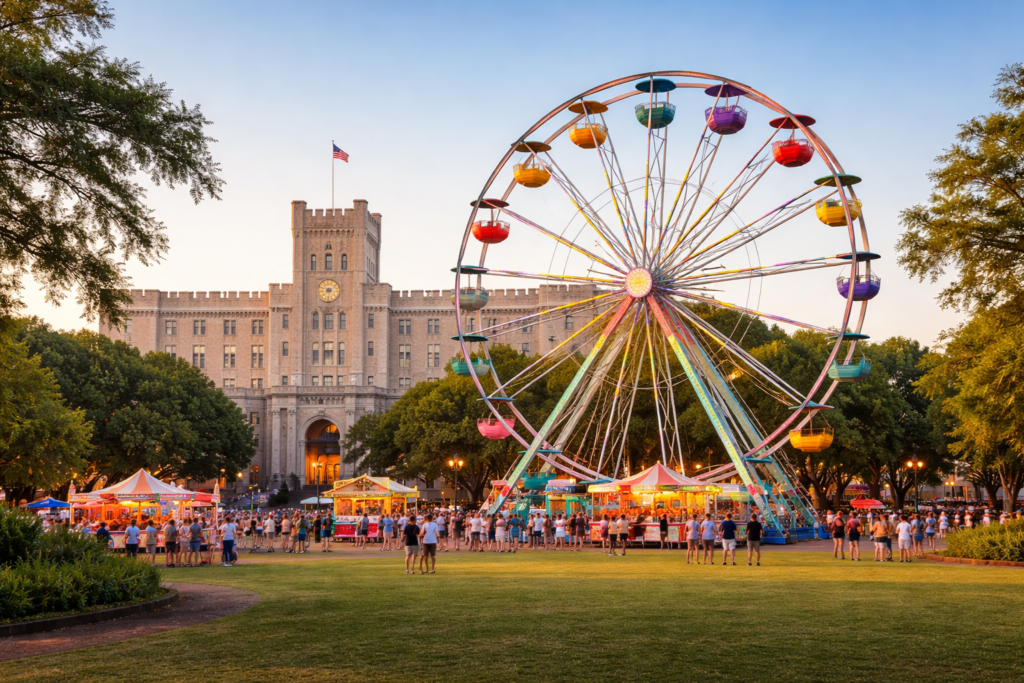
At the heart of this reimagining is Marion Square, the city’s central gathering space. Already known for hosting festivals, markets, and community events, the square has historically served as a flexible urban park connecting multiple neighborhoods.  Plans now imagine a permanent Ferris wheel rising above its iconic lawn, offering sweeping views of the peninsula and adding a dynamic, year-round attraction that brings energy both day and night.

Water-based recreation is also central to the city’s evolving identity. Along the Ashley River, Brittlebank Park —traditionally a passive waterfront green space—is envisioned as the future home of a family-oriented water park. This concept builds on the city’s ongoing investments in upgrading parks and playgrounds to create safer, more vibrant recreational environments for children and families. 


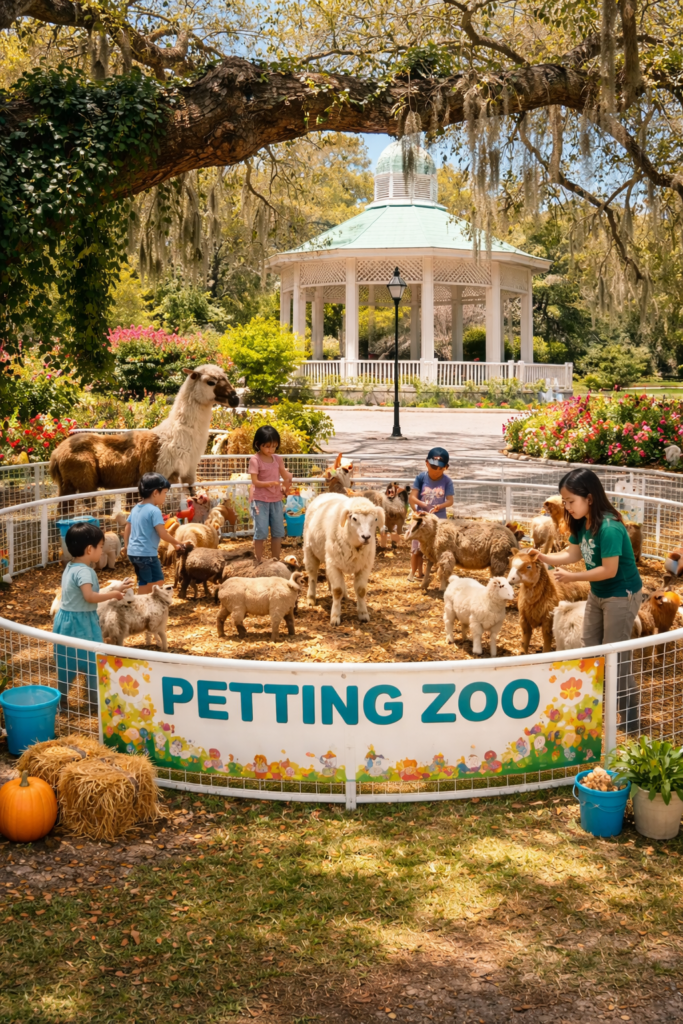
Further north, Hampton Park, already one of Charleston’s most beloved green spaces, could take on an even more interactive role. Known for its gardens and walking paths, the park has previously undergone planning efforts to expand amenities and attract broader community use.  A proposed petting zoo would introduce an educational, hands-on experience for younger visitors, reinforcing the park’s role as a destination for families.

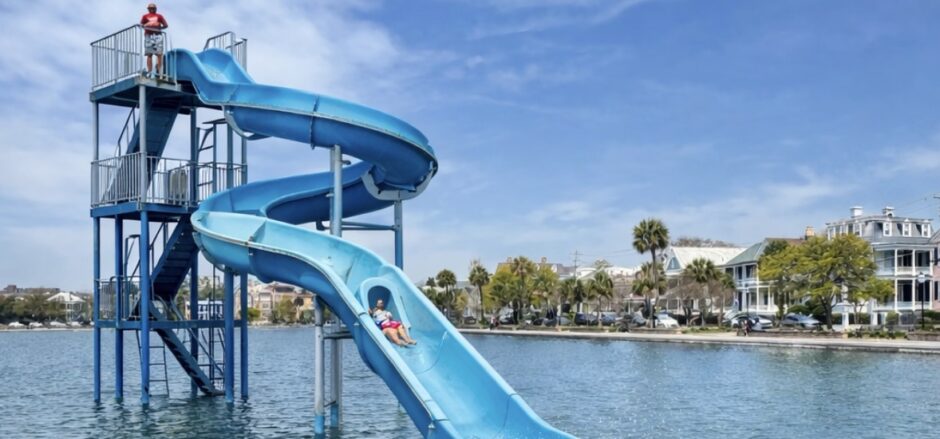
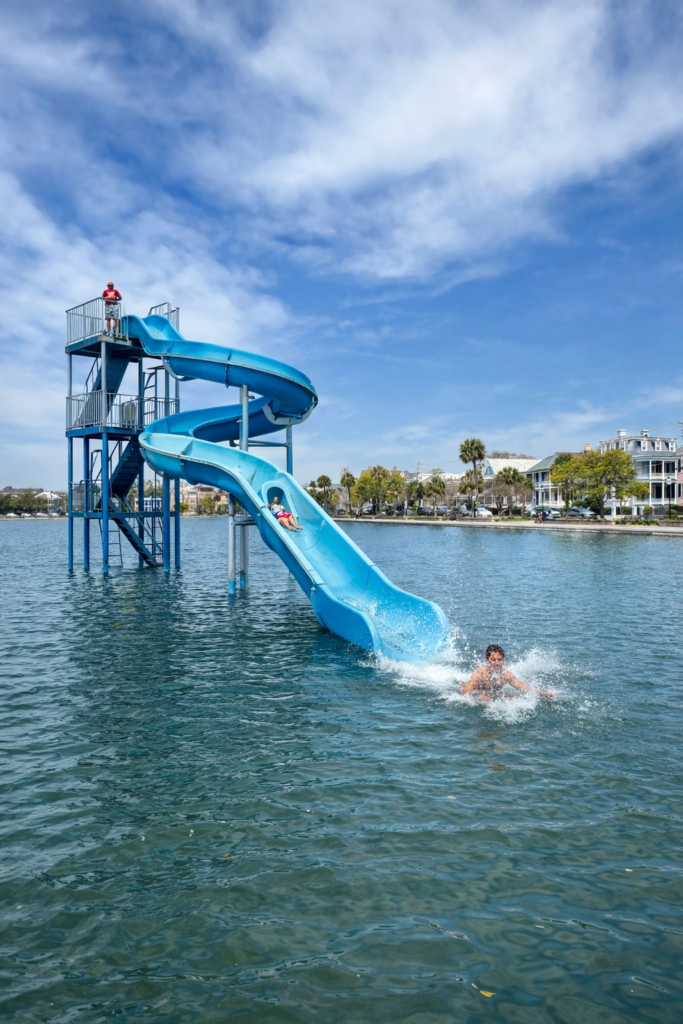
Even Charleston’s smaller, picturesque spaces are part of the vision. Colonial Lake, a serene neighborhood retreat, could see a whimsical addition in the form of a water slide, blending playful recreation with the city’s historic charm.

These ideas—while imaginative—reflect a broader and very real trend: Charleston’s continued investment in parks, public spaces, and community-centered design. With more than 100 parks across the city and ongoing capital improvements, officials are prioritizing accessibility, safety, and enjoyment for all residents. 


As Charleston evolves, the balance between preservation and innovation remains key. By leaning into family-friendly experiences, the city is not only enhancing quality of life but also ensuring that its historic downtown remains vibrant, welcoming, and full of joy for generations to come

Stay connected and subscribe to Charleston Daily.
Disclaimer: This story was written for entertainment purposes and is not based on factual or research based content. Happy April Fool’s Day.

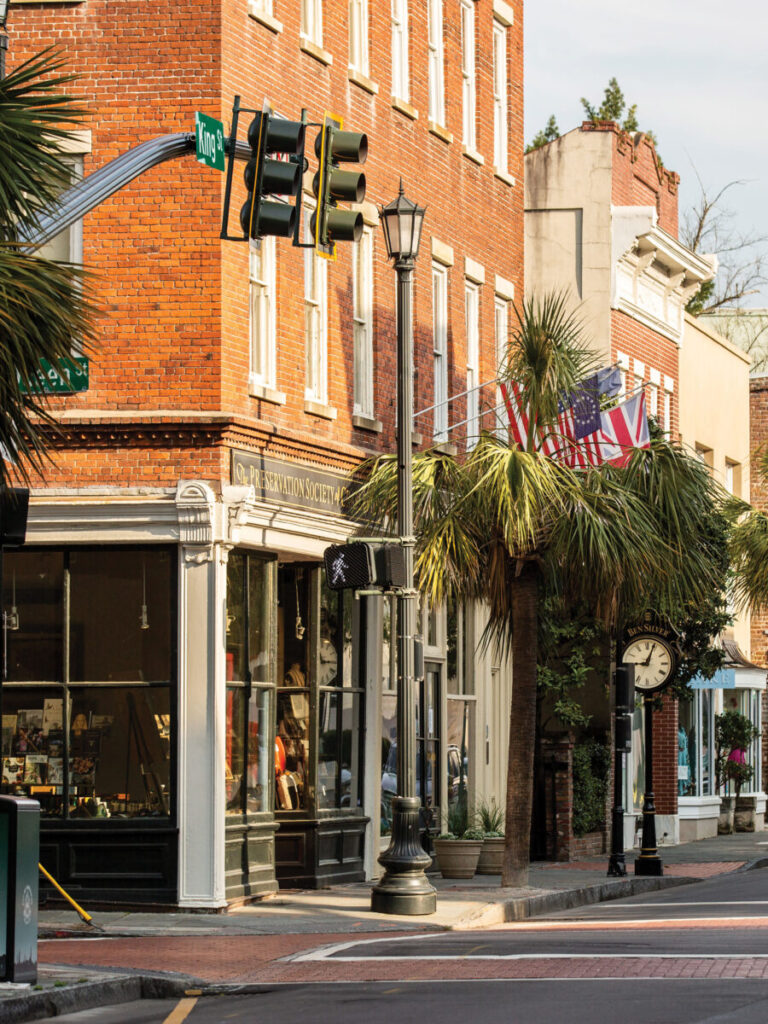
Guardians of Charleston: How the Preservation Society of Charleston Protects the City’s Past While Shaping Its Future

Read More

By Mark A Leon

Few organizations are as deeply woven into the fabric of Charleston’s identity as the Preservation Society of Charleston. For more than a century, it has stood as both guardian and guide—protecting the city’s architectural heritage while shaping thoughtful growth for future generations.

Origins: A Grassroots Movement That Changed America

The story of the Preservation Society begins in 1920 with a single act of defiance. Charleston native Susan Pringle Frost rallied a small group of citizens to save the historic Joseph Manigault House, which was slated for demolition to make way for a gas station. 

That effort sparked the creation of what was originally called the Society for the Preservation of Old Dwellings—widely recognized as the first grassroots historic preservation organization in the United States. 

From the outset, the Society’s mission extended beyond saving a single building. It ignited a movement that would define Charleston’s future. By 1931, the organization successfully advocated for the nation’s first historic zoning ordinance, establishing Charleston’s “Old and Historic District” and creating the Board of Architectural Review—tools that cities across America would later adopt. 

A Century of Advocacy and Impact

Over the decades, the Preservation Society has evolved from a reactive preservation group into a proactive civic leader. Today, it works at the intersection of history, planning, and community advocacy—ensuring that Charleston remains both livable and authentic. 

Its influence can be seen in:

  • Protecting historic neighborhoods from incompatible development
  • Guiding zoning and architectural decisions
  • Educating residents on preservation tools and processes
  • Celebrating excellence through the Carolopolis Awards

Perhaps most importantly, the Society reframed preservation as a “living” concept—not freezing the city in time, but allowing it to evolve without losing its soul.

Properties and Preservation Wins in the Last Five Years

Unlike organizations that directly purchase and restore buildings, the Preservation Society often works through advocacy, public pressure, and collaboration. Its victories are frequently measured in prevented demolitions and improved outcomes, rather than ownership.

In the past five years, several notable efforts highlight its ongoing importance:

  • Historic Homes on Cannon and Sheppard Streets – The Society has actively fought proposals that would have led to demolition, pushing instead for rehabilitation and adaptive reuse.  
  • Philip Simmons-related structures and cultural sites – Advocacy efforts have focused on protecting properties tied to Charleston’s African American heritage, ensuring these stories remain visible within the city’s landscape.  
  • Multiple Carolopolis Award-winning restorations – While not always the developer, the Society has influenced and recognized dozens of preservation projects, helping ensure historic buildings are restored rather than replaced.  

Additionally, individual properties such as the John Ravenel House have undergone award-winning preservation work in recent years, reflecting the broader ecosystem the Society helps sustain. 

These efforts collectively represent a quieter but powerful form of preservation: stopping loss before it happens.

Why the Preservation Society Still Matters

Charleston’s popularity has brought rapid growth, rising property values, and intense development pressure. Without a strong advocate, the very qualities that make the city special—its scale, craftsmanship, and sense of place—could easily be eroded.

The Preservation Society plays a critical role by:

  • Acting as a watchdog in public planning decisions
  • Giving residents a voice in development debates
  • Protecting not just buildings, but cultural identity
  • Promoting equitable preservation across all neighborhoods

Its founding principle remains as relevant today as it was in 1920: that cities are strongest when their past informs their future.

A Legacy Still Being Written

More than 100 years after Susan Pringle Frost took her stand, the Preservation Society of Charleston continues to shape the city in visible—and invisible—ways. Every preserved façade, protected streetscape, and restored home is part of that legacy.

In Charleston, preservation is not just about saving old buildings. It is about protecting a way of life. And thanks to the Preservation Society, that story is still being told—one building, one block, and one community at a time.

Follow their journey on Instagram.

Stay connected and subscribe to Charleston Daily.
Look Up Charleston: Where Fine Art Meets Everyday Discovery in the Heart of the Holy City

Read More

By Mark A Leon

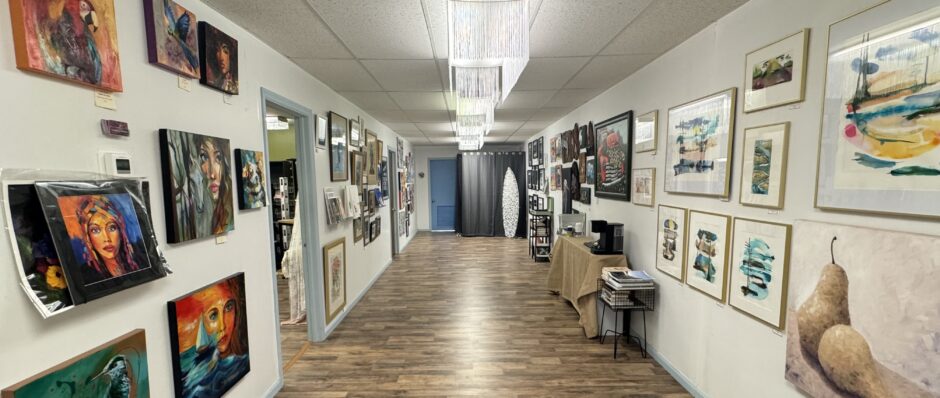
In the heart of Charleston’s historic district—just steps from some of the city’s most established galleries—Look Up Charleston is quietly redefining what a fine art gallery can be. Equal parts gift emporium and curated art space, it has emerged as one of the most approachable and engaging destinations for discovering local creativity.

Charleston has long held a reputation as a serious art city, anchored by institutions like the Gibbes Museum of Art and supported by dozens of traditional galleries throughout the French Quarter.  Yet what sets Look Up Charleston apart is its intentional shift away from formality and toward accessibility—without sacrificing artistic quality.

Located upstairs at 128 Meeting Street, the space feels less like a gallery in the traditional sense and more like a living, breathing creative collective. Visitors encounter a rotating mix of works from more than 50 artists, alongside active studio spaces where art is not only displayed but made in real time.  This immediacy creates a sense of connection between artist and collector that is often missing in more conventional settings.

Alicia Colella


At its core, Look Up Charleston’s philosophy is rooted in curation with personality. The gallery bridges the gap between established and emerging artists, offering a range of styles that feel both refined and deeply personal. The result is a collection that invites discovery—where a first-time buyer feels just as welcome as a seasoned collector.

That diversity is reflected in the artists themselves. The delicate, architectural line work and coastal narratives of Alicia Colella bring a sense of Charleston’s historic charm into sharp, modern focus. In contrast, the vibrant, playful compositions of Tulips & Tillie introduce a more whimsical, color-forward aesthetic that feels both contemporary and joyful. Nancy DeMore merges nature and humanity into a tapestry of vibrancy and beauty.

Nancy DeMore


Elsewhere, artists like Julie Byrd Diana channel urban influences into bold, graphic statements, while Christmas Touch of Nature leans into organic textures and seasonal storytelling through natural materials. Clay and Sea offers handcrafted jewelry made to be worn every day — effortless, timeless, and uniquely you.

The gallery’s range continues with the expressive, often abstract works of Demetrius Bing and Daniela Salgado, whose paintings explore movement, emotion, faith, grit, heart and color in layered, intuitive ways. Meanwhile, Considine Designs and Maddy Alexa Art bring a fresh, modern sensibility—balancing clean design with artistic experimentation that appeals to a new generation of collectors.

What unites these artists is not a single style, but a shared commitment to craftsmanship and authenticity. Every piece tells a story, and importantly, every artist is visible. Tags often include not just a name, but insights into process, materials, and inspiration—inviting buyers into the creative journey itself. 

Tulips & Tillie


This transparency is part of what makes Look Up Charleston so compelling. It removes the intimidation often associated with fine art galleries and replaces it with curiosity and conversation. Whether you’re purchasing a small ceramic piece, a bold original painting, or a thoughtfully crafted gift, the experience feels personal and intentional.

In a city known for its artistic heritage, Look Up Charleston represents something refreshingly current: a gallery that embraces evolution. It honors Charleston’s deep creative roots while making space for new voices, new mediums, and new audiences.

For locals and visitors alike, it’s quickly becoming more than just a place to shop—it’s a place to connect, explore, and, quite literally, look up at the future of Charleston’s art scene.

Stay connected and subscribe to Charleston Daily.
Maddy Alexa Art

Byrd on a Wall

Demetrius Bing

Lowcountry Treasures: Six Amazing Charleston Area Shops for Children’s Gifts and Fashion

By Mark A Leon

Charleston’s historic streets aren’t just known for their beauty—they’re also home to some of the most charming and creative children’s gift shops in the South. Whether you’re shopping for a birthday, holiday, or keepsake, these six standout destinations offer everything from imaginative toys to heirloom-quality clothing—perfect for delighting kids of all ages.

Wonder Works

Address: 188 Meeting St, Charleston, SC 29401

Website: https://wonderworkstoys.com

Located in the heart of the Historic City Market, this beloved toy store is a wonderland of imagination. With thousands of hands-on toys, puzzles, and games, it encourages creativity and play at every turn. The shop prides itself on unique, hard-to-find items and locally inspired gifts, making it a go-to for something truly special.

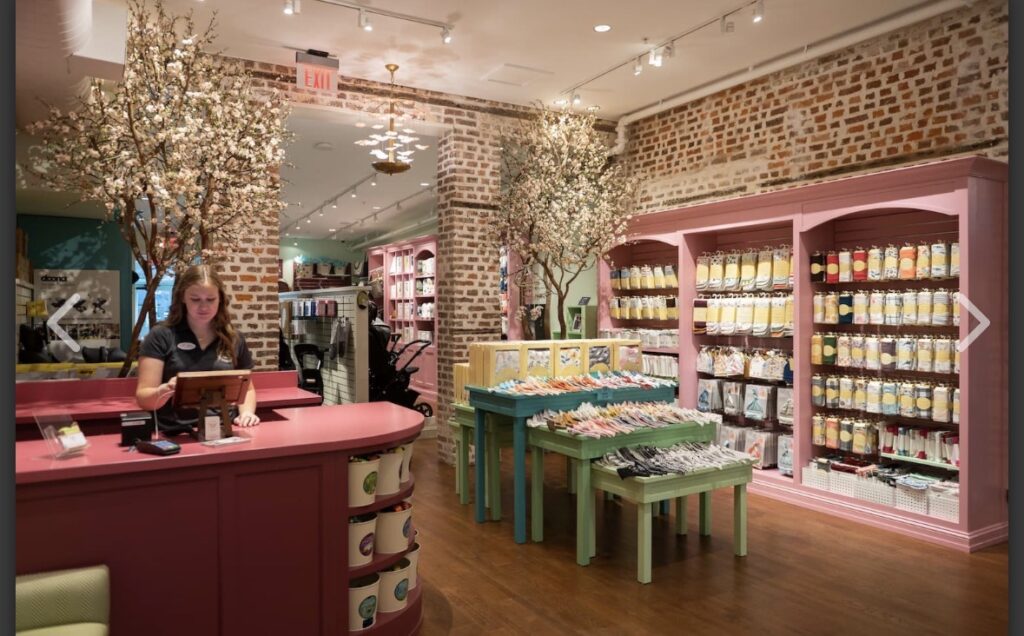
Under the Almond Tree

Under the Almond Trees

Address: 190 King St, Charleston, SC 29401

Website: http://www.underthealmondtrees.com

This King Street boutique blends modern style with thoughtful functionality. Offering a curated selection of toys, baby gear, and children’s clothing, it’s a favorite for parents seeking both beauty and practicality. The store’s warm atmosphere makes it ideal for meaningful, stylish gifts.

Ragamuffin Children’s Boutique

Address: 210 Coleman Blvd, Mount Pleasant, SC 29464

Website: http://www.ragamuffinchildrensboutique.com/

Located just over the bridge, this charming boutique specializes in upscale children’s clothing and unique gifts. From classic Southern styles to playful accessories, Ragamuffin is known for quality and personality—perfect for distinctive, fashionable finds.

Pixie Lily

Address: 48 Society St, Charleston, SC 29401

Website: https://www.pixielily.com/

A Charleston staple for generations, Pixie Lily is synonymous with timeless children’s fashion. Known for heirloom-quality garments and classic designs, it offers beautiful gifts that often become cherished keepsakes passed down through families.

Turtle Creek

Address: 84 N Market St, Charleston, SC 29401

Website: http://www.puzzleboxguy.com/

Tucked near the City Market, this quirky shop is a hidden gem for puzzles, brainteasers, and interactive toys. It’s a fantastic place to find gifts that challenge young minds while still being fun—perfect for curious and creative kids.

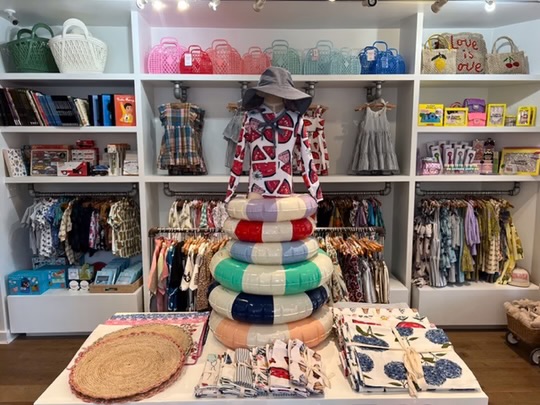
Pink Chicken

Pink Chicken

Address: 202 King St, Charleston, SC 29401

Website: http://www.pinkchicken.com/

Bright, colorful, and full of personality, this King Street boutique is known for playful children’s clothing and accessories. With vibrant patterns and cheerful designs, it offers gifts that stand out and bring joy to any child’s wardrobe.

From imaginative toy stores to elegant boutiques, Charleston offers a diverse and inspiring shopping experience for children’s gifts. Whether you’re drawn to creativity, classic style, or something truly one-of-a-kind, these six shops capture the spirit of the Lowcountry while delivering joy to families and little ones alike.

Subscribe to Charleston Daily.