Point Break Coffee & Drive-Thru Expands Downtown with New Archdale Street Location

Screenshot

By Mark A Leon

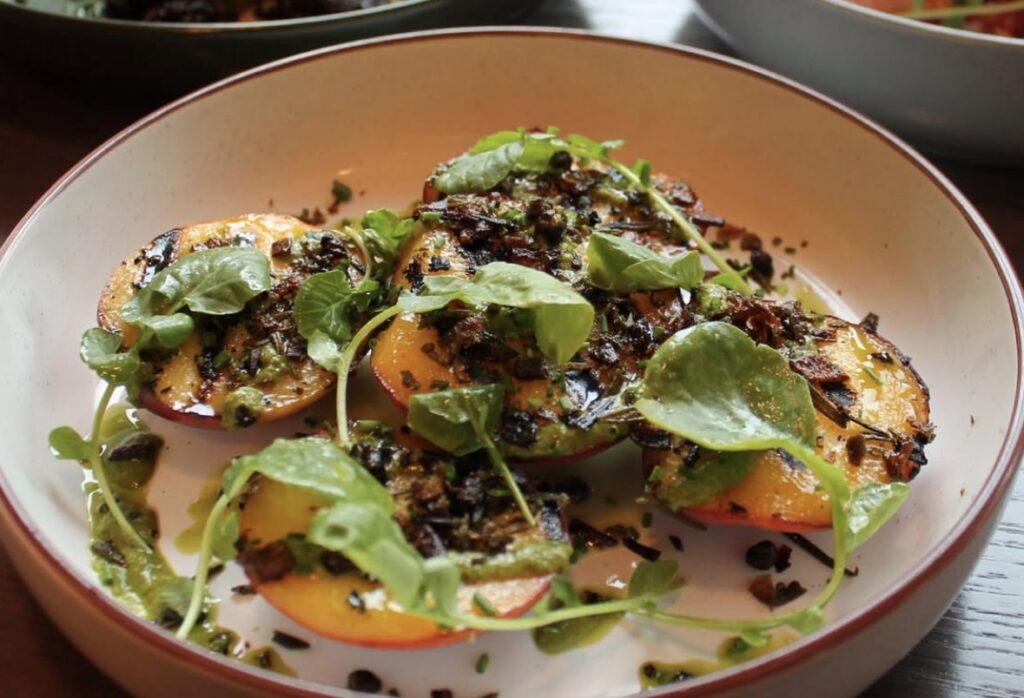
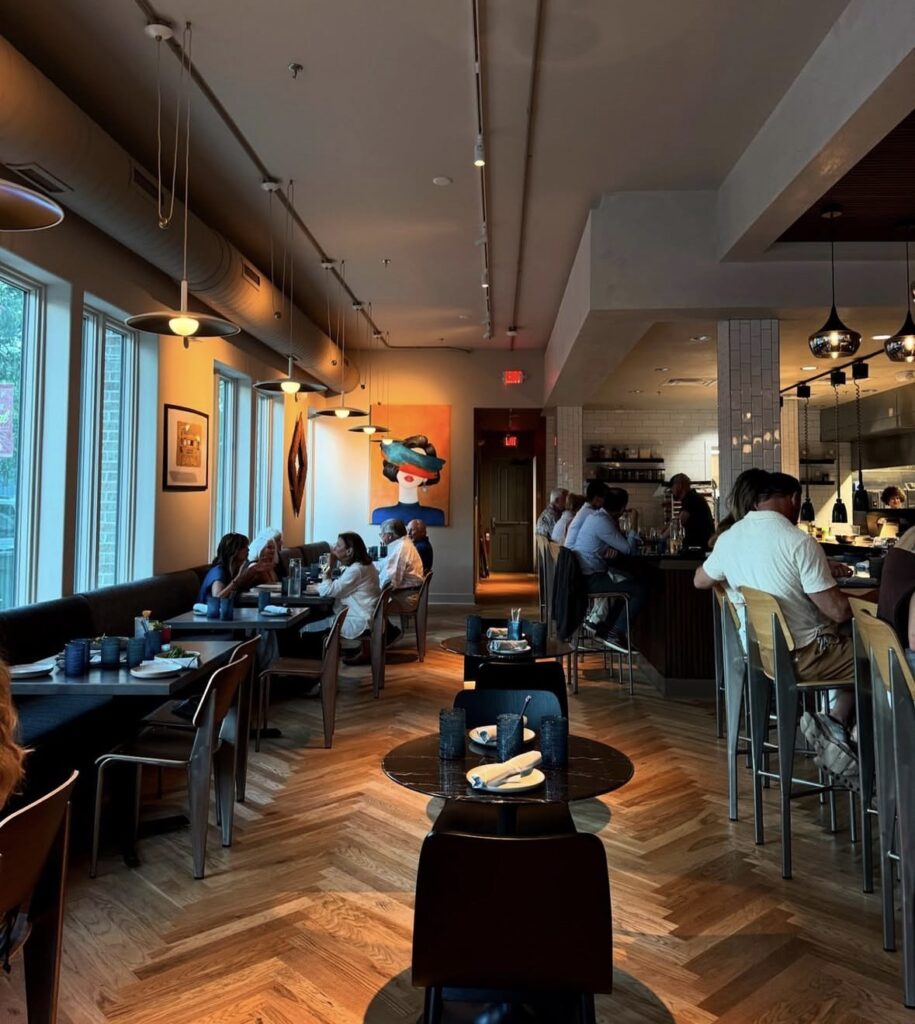
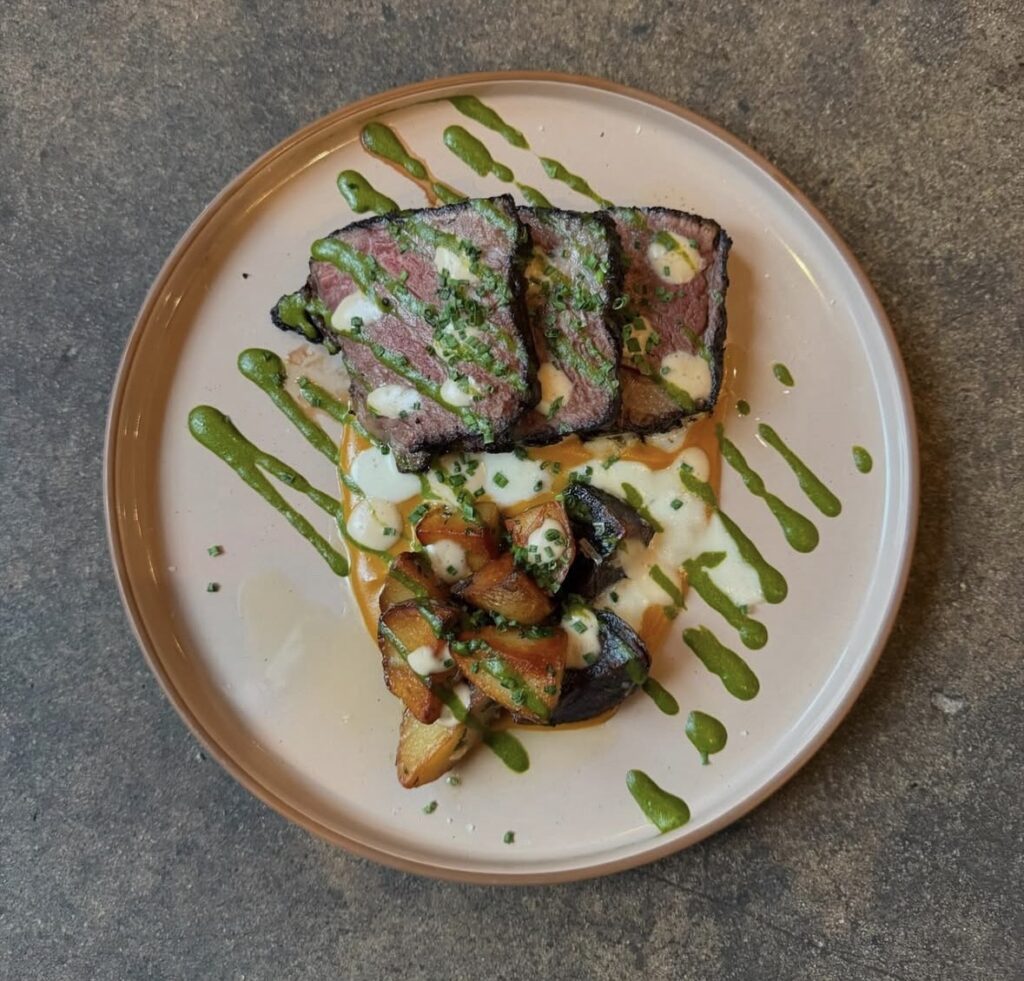
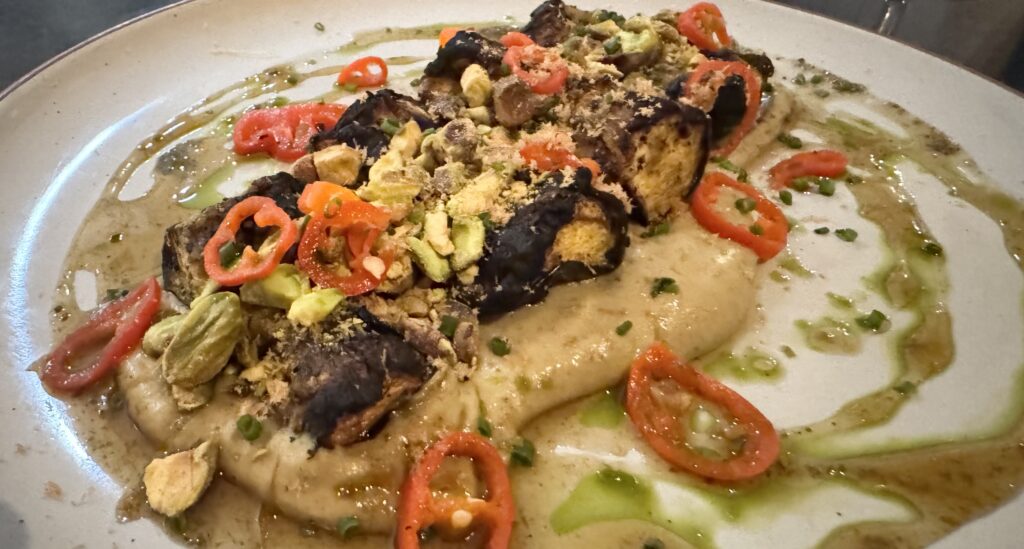
Charleston’s surf-inspired café scene is continuing to grow as Point Break Coffee & Drive-Thru prepares to open a brand-new downtown location at 49 Archdale Street. Known for its laid-back coastal atmosphere, quality coffee, fresh food offerings, and strong community following, the expansion marks another exciting addition to Charleston’s evolving food and beverage landscape.

The new downtown spot will bring Point Break’s signature beach-meets-city vibe into the heart of the peninsula, offering locals, students, and visitors another gathering space just steps away from some of Charleston’s busiest neighborhoods.

Point Break has built a loyal following through its blend of approachable hospitality, relaxed aesthetic, and menu designed around fresh ingredients and coastal culture. The Archdale Street location is expected to continue that identity while adding new energy to one of downtown Charleston’s growing corridors.

As Charleston continues to welcome new businesses that blend lifestyle, community, and local culture, Point Break’s expansion signals confidence in the city’s vibrant dining and café scene.

An official opening date is expected to be announced soon.

Stay connected and subscribe to Charleston Daily.
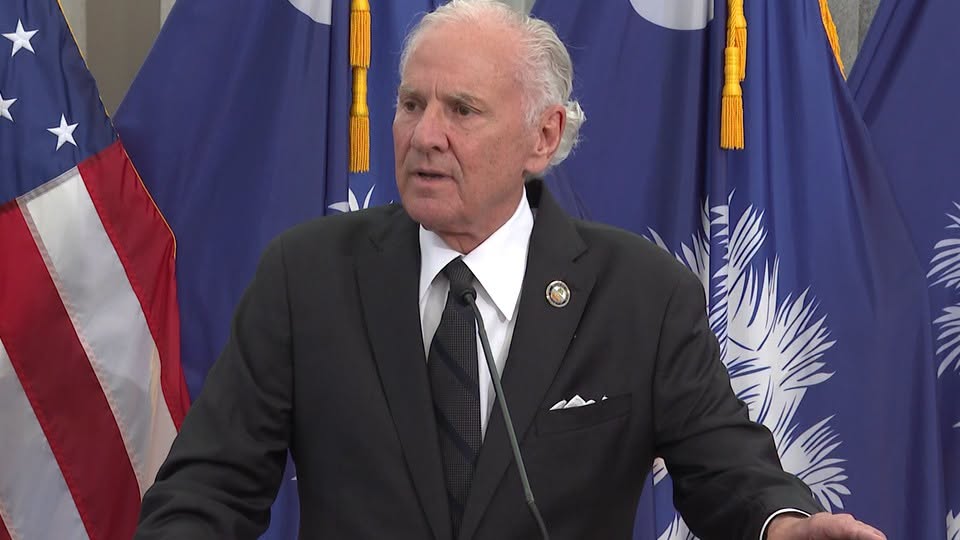


Photo Credit: Point Break Charleston

Charleston’s Legacy of Firsts: 15 Times the Holy City Made American History

By Mark A. Leon

Charleston has long been called a city of firsts. From culture and commerce to military history and recreation, the Holy City has played a surprising role in shaping American life. Here are some of the most notable “firsts” associated with Charleston, South Carolina.

1. America’s First Opera Building (1736)

The Dock Street Theatre opened in 1736 as the first building in North America designed exclusively for theatrical performances. Originally called the Dock Street Theatre, it hosted plays, musical performances, and social events. Although the original structure was destroyed by fire, today’s theater stands on the historic site and remains one of Charleston’s most celebrated landmarks.

2. America’s First Public College Museum (1773)

The Charleston Museum was founded in 1773, making it the oldest museum in the United States. Created by the Charleston Library Society, its collections focused on natural history, science, and cultural artifacts from the Lowcountry and beyond.

3. First Municipal College in America (1836)

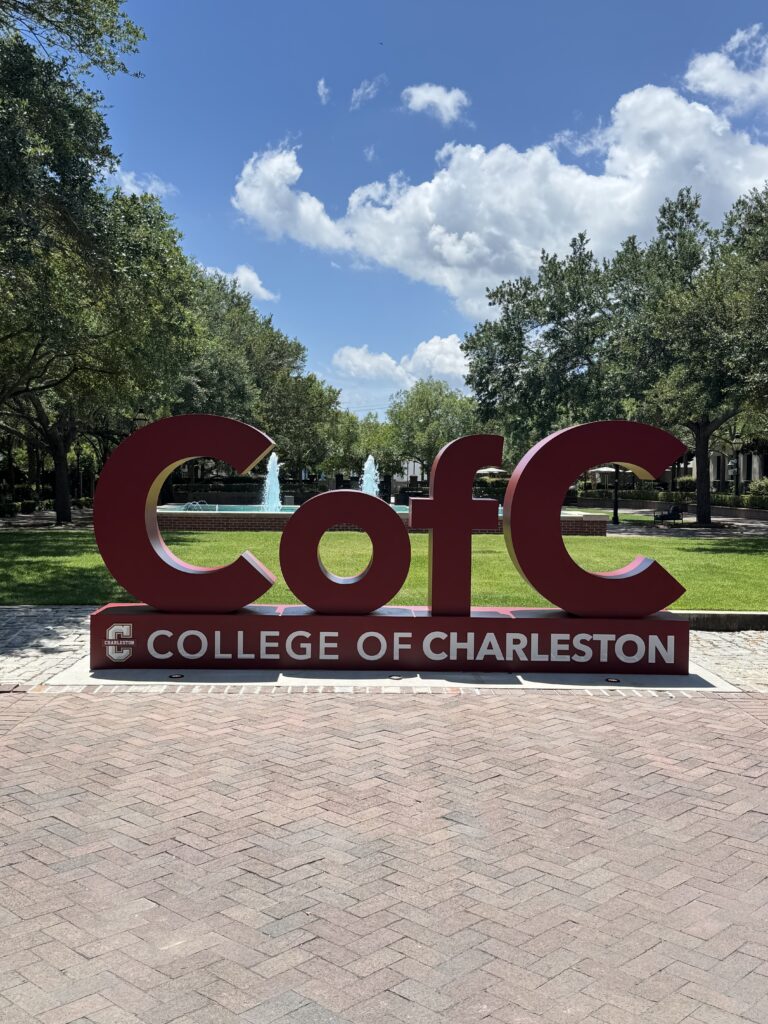
College of Charleston was founded in 1770, but in 1836 it became the first municipal college in the United States when the City of Charleston assumed responsibility for its operation. The institution remains one of the nation’s oldest colleges.

4. America’s First Memorial Day Observance (May 1, 1865)

Following the end of the Civil War, newly freed African Americans in Charleston organized a ceremony at the former Washington Race Course, where Union soldiers had been buried in a mass grave. Thousands attended a procession, reinterred the soldiers properly, and honored their sacrifice. Many historians consider this the first Memorial Day observance in the United States.

5. First Regular Golf Club in America (1786)

The South Carolina Golf Club was established in Charleston in 1786 and is widely recognized as the first organized golf club in the United States. Scottish merchants and expatriates introduced the game, laying the foundation for what would become one of America’s favorite sports.

6. First Fireproof Building in the United States (1827)

The historic Fireproof Building was completed in 1827 to house public records safely after numerous devastating fires threatened city archives. Designed by noted architect Robert Mills, it became one of America’s earliest purpose-built fire-resistant structures.

7. America’s First Tea Garden (1888)

Near Charleston on Wadmalaw Island, tea cultivation experiments eventually led to the creation of what became the only large-scale commercial tea plantation in North America. The roots of this effort date to the late 19th century when botanist Dr. Charles Shepard began cultivating tea plants in the region’s climate.

8. First Successful Submarine Attack in History (February 17, 1864)

During the Civil War, the Confederate submarine H.L. Hunley became the first submarine to successfully sink an enemy warship in combat when it attacked the USS Housatonic outside Charleston Harbor. Although the Hunley was lost shortly afterward, the event changed naval warfare forever.

9. America’s First Municipal Liquor Dispensary System (1893)

Under South Carolina Governor Benjamin Tillman, Charleston became part of the state’s unique dispensary system, one of the nation’s first government-controlled liquor sales programs. The experiment was intended to regulate alcohol consumption and reduce corruption in private liquor sales.

10. First Public Library in the South Supported by a Subscription Society (1748)

The Charleston Library Society was founded in 1748 and became one of the earliest and most influential lending libraries in colonial America. It helped establish Charleston as a center of learning and intellectual life.

11. First American Chamber of Commerce (1773)

The Charleston Chamber of Commerce traces its origins to 1773 and is often cited as the oldest continuously operating chamber of commerce in the United States. Merchants organized to advocate for trade and economic development in the growing port city.

12. First Historic Preservation Ordinance in the United States (1931)

Charleston became the first city in America to establish a historic preservation district through a zoning ordinance. The creation of the “Old and Historic District” protected much of downtown Charleston’s architecture and served as a model for preservation efforts nationwide.

13. First Dedicated American Museum Building (1773)

Beyond being the nation’s oldest museum, the Charleston Museum was among the first institutions in America devoted specifically to collecting and preserving natural and cultural history. Its early collections included fossils, Native American artifacts, and scientific specimens gathered from around the world.

14. First Passenger Railroad in South Carolina (1830)

The South Carolina Canal and Rail Road Company launched one of the earliest passenger rail services in the nation. The Charleston-to-Hamburg line eventually became the longest railroad in the world under continuous management at the time, helping establish rail transportation in the United States.

15. First Purpose-Built Military College in America (1842)

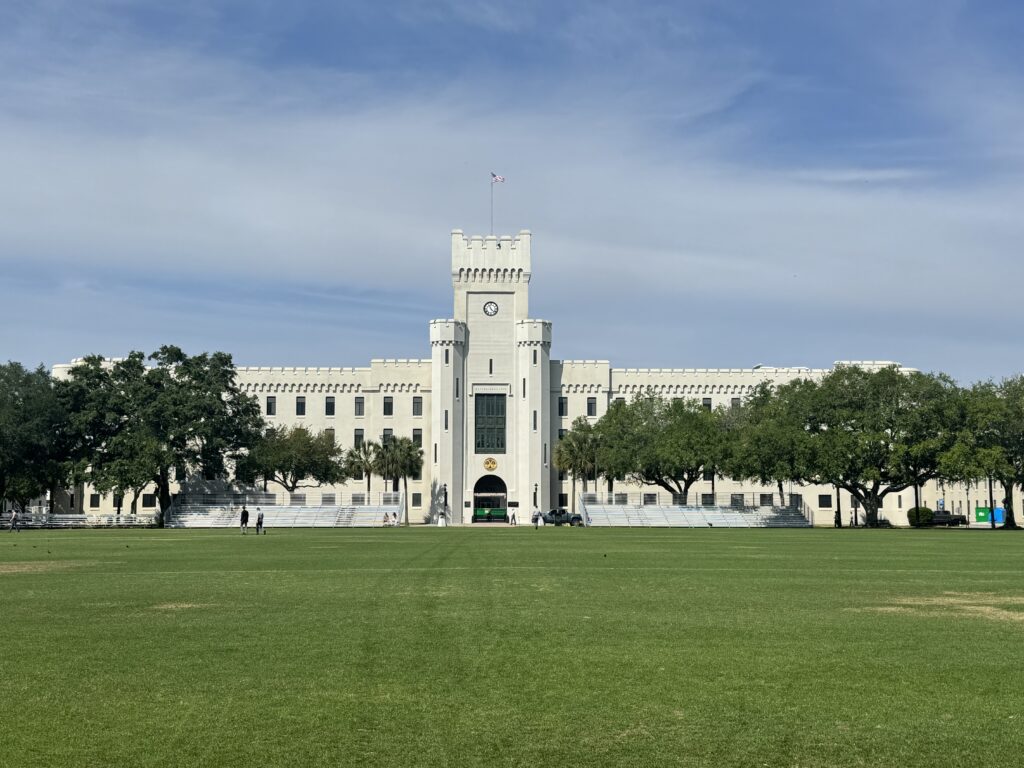
The Citadel traces its origins to 1842 and is recognized as one of the nation’s first military colleges. Established to train citizen-soldiers and maintain public security, it evolved into one of America’s premier military institutions.

Why Charleston Became a City of Firsts

Charleston’s prominence as a colonial port city made it one of the wealthiest and most influential cities in North America during the 18th and early 19th centuries. Its deep harbor connected it to Europe, the Caribbean, and other American colonies, allowing new ideas, technologies, and institutions to take root early. The result is a remarkable collection of “firsts” that continue to shape Charleston’s identity nearly 350 years after its founding.

Stay connected and subscribe to Charleston Daily.

“Bless Your Heart” and Beyond: The Origins of Deep South Phrases That Still Shape Southern Culture

By Mark A Leon

The Deep South has always spoken its own language.

Part poetry, part warning, part hospitality and part humor, Southern phrases carry generations of storytelling, survival, faith, grit and community inside just a few words. Many of these sayings were born on front porches, in church pews, around dinner tables and across cotton fields long before they ever appeared online or in pop culture.

To outsiders, some expressions sound charming. Others sound confusing. But to Southerners, these phrases are social currency — coded language capable of delivering kindness, sarcasm, discipline or affection in a single sentence.

Here are some of the most important and enduring phrases from the Deep South and the stories behind them.

“Bless Your Heart”

Perhaps the most famous Southern phrase of all, “bless your heart” is one of the most misunderstood expressions in America.

While it can absolutely be sincere — often used after hearing bad news or expressing sympathy — it also became a socially acceptable Southern way to criticize someone without direct confrontation.

In a culture where manners and politeness mattered deeply, “bless your heart” evolved into linguistic camouflage. Instead of openly insulting someone, Southerners could soften judgment with a phrase that sounded compassionate.

Examples:

  • “He tried to fix the roof himself… bless his heart.”
  • “She means well, bless her heart.”

The phrase likely traces back to 19th century Christian traditions throughout the South, where offering blessings during hardship was common in churches and family life.

Today, it remains one of the defining phrases of Southern identity.

“Don’t Be Ugly”

In most parts of the country, “ugly” describes appearance. In the Deep South, it often describes behavior.

“Don’t be ugly” means:

  • Don’t be rude.
  • Don’t be hateful.
  • Don’t embarrass yourself.
  • Don’t lose your manners.

Parents and grandparents across the South have used the phrase for generations to correct behavior without escalating conflict. The expression reflects how Southern culture historically valued public politeness and emotional restraint.

A child arguing at the dinner table?
“Don’t be ugly.”

An adult acting bitter or spiteful?
“They’ve been acting ugly lately.”

The phrase became especially common throughout rural communities where reputation and social harmony carried enormous weight.

“Y’all”

No Southern phrase is more iconic — or more efficient — than “y’all.”

A contraction of “you all,” the phrase emerged in the American South during the 19th century and became a linguistic hallmark of the region. Scholars believe its popularity grew from a blend of Scots-Irish dialects, African American vernacular traditions and frontier practicality.

Unlike the Northern “you guys,” “y’all” is warm, inclusive and versatile.

Examples:

  • “How are y’all doing?”
  • “Are y’all coming over later?”

In recent years, the phrase has spread far beyond the South because it is gender-neutral, conversational and remarkably useful.

“Fixing To”

If someone in the Deep South says they are “fixing to” do something, they mean they are about to do it.

Examples:

  • “I’m fixing to head home.”
  • “We’re fixing to eat.”

The phrase likely evolved from older English expressions tied to preparing or arranging for action. Over time, Southerners shortened the idea into a uniquely regional verbal shortcut.

It captures one of the defining rhythms of Southern speech — slower, softer and often more narrative than direct.

“Madder Than a Wet Hen”

This colorful Southern expression describes someone who is furious.

The phrase comes from farm life. Hens notoriously dislike getting wet and become visibly agitated when soaked in rain or water.

Agricultural roots shaped much of Southern language, especially in rural communities where everyday observations became metaphors for human behavior.

“That Dog Won’t Hunt”

This phrase means something will not work, succeed or make sense.

Examples:

  • “That excuse won’t work around here.”
  • “That dog won’t hunt.”

The expression comes directly from hunting culture throughout the rural South, where an ineffective hunting dog had little practical value.

Like many Southern sayings, it turned rural experience into broader life wisdom.

“Over Yonder”

In the South, directions are often emotional rather than geographical.

“Over yonder” means somewhere nearby but not precisely specified.

Examples:

  • “The store is over yonder.”
  • “Go past the church and it’s over yonder by the oak tree.”

The phrase reflects older rural communities where landmarks mattered more than street names or GPS coordinates.

“Hissy Fit”

A “hissy fit” describes an emotional outburst, tantrum or dramatic overreaction.

The term likely evolved from the word “hysteria,” gradually softened into Southern slang over generations.

Examples:

  • “She threw a hissy fit.”
  • “Don’t have a hissy fit over it.”

The phrase remains deeply woven into Southern family culture and humor.

“Come Hell or High Water”

This expression means someone is determined to accomplish something regardless of obstacles.

The phrase became common throughout flood-prone Southern and Appalachian regions where rising rivers could literally isolate towns and farms.

Examples:

  • “We’re getting there come hell or high water.”

It reflects the resilience that shaped much of Southern history.

“If the Creek Don’t Rise”

Often added to future plans, this phrase means “unless something unexpected happens.”

Examples:

  • “We’ll see y’all Sunday if the creek don’t rise.”

The saying originated in isolated rural communities where heavy rain and flooding could genuinely prevent travel.

Long before modern infrastructure, swollen creeks could completely cut off roads and communities.

The Language of the South

Southern phrases endure because they do more than communicate. They preserve identity.

They carry echoes of church sermons, family kitchens, front porch conversations, farming communities and generations of oral storytelling. Many of these sayings emerged from hardship, humor, religion, hospitality and survival.

Even today, the Deep South continues to speak with a rhythm and vocabulary unlike anywhere else in America.

And sometimes, a simple “bless your heart” can still mean absolutely everything — or absolutely nothing at all.

Stay connected and subscribe to Charleston Daily.

Angel Oak Tree Earns Recognition on the National Register of Historic Places, Securing its Position as a Nationally Significant Site in American History

Federal designation highlights centuries of Indigenous, Gullah Geechee, and Civil Rights history beneath its branches

Charleston, SC, June 11, 2026 – Lowcountry Land Trust, a nonprofit committed to protecting land and water forever and connecting the community to conservation, is proud to announce the Angel Oak, one of the South’s most iconic natural landmarks, has been officially listed on the National Register of Historic Places, the nation’s official list of places worthy of preservation for their significance to American history.

The designation, a program of the National Park Service, recognizes the Angel Oak for the generations of people whose lives intersected beneath its branches and the important stories the site helps tell about the Lowcountry’s past. From Indigenous communities and plantation-era life to Reconstruction, education, agriculture, the Civil Rights Movement, and modern conservation efforts, the Angel Oak has stood as a witness to centuries of history. 

The National Register listing was supported by extensive historical, cultural, and archaeological research conducted as part of planning for the future Angel Oak Preserve. In partnership with BVL Historic Preservation Research, Lowcountry Land Trust documented the history of the tree and surrounding landscape, confirming its significance as a multi-generational social and spiritual symbol for the people of Johns Island. The research connects the site to Indigenous communities, the lives of enslaved people on the former Angel Plantation, Gullah Geechee farmers and families on Johns Island, frequent visits by Civil Rights leaders such as Septima P. Clark and Esau Jenkins, and non-segregated community gathering, recreation, and learning beneath the tree’s expansive canopy. 

“This designation validates what many people have understood about the Angel Oak for generations: it is a place where history, culture, nature, and community intersect,” said Matt Williams, president and CEO of Lowcountry Land Trust. “This process helped us better understand the significance of the site and informed the intentional design of the future Angel Oak Preserve. Our goal is to create an experience that honors the many stories connected to this landscape while inspiring future generations to value and protect the places that make the Lowcountry unique.”

The Angel Oak is the first tree in South Carolina to be individually listed on the National Register of Historic Places, and one of only four sites on Johns Island recognized on the registry. The designation elevates the landmark’s importance to a national stage while creating new opportunities to share its stories with residents and visitors. For generations, people have gathered beneath the Angel Oak’s sprawling canopy for learning, recreation, reflection, and community. The designation affirms that the site is an historic treasure and a place that reflects the broader American experience.

“The Angel Oak has been a beloved part of the Lowcountry for centuries and is one of the most iconic places in our region,” said Charleston Mayor William S. Cogswell, Jr. “This tree is a living piece of American history, and its listing on the National Register of Historic Places is well deserved. I encourage everyone to visit, learn about its history, and appreciate the significance it holds.”

The designation provides formal recognition of the site’s historical importance and may support future conservation and educational opportunities by providing access to grants, preservation incentives, and technical assistance. While the National Register listing formally recognizes the site’s significance, it does not protect historic places from change or development. The long-term future of the Angel Oak and its surrounding forest is secured through the stewardship of the City of Charleston and Lowcountry Land Trust, whose partnership permanently protects the tree and the surrounding 44-acre landscape for future generations. 

“The National Register of Historic Places recognizes places that help tell the story of our nation,” said Virginia Harness, architectural historian and National Register co-coordinator with the South Carolina State Historic Preservation Office. “The Angel Oak’s listing acknowledges the generations of people connected to this site and highlights its importance as a centerpiece of local culture and history. This recognition helps raise awareness of the site’s significance and encourages continued stewardship for future generations.”

As Charleston and Johns Island continue to grow, local leaders hope the designation serves as a reminder of the importance of protecting places that connect communities to their history and identity. For residents, the designation offers new opportunities to learn about a landmark many have known their entire lives. For visitors from across the country and around the world, it reinforces the Angel Oak’s status as more than a natural wonder. It is a nationally significant historic place whose stories continue to shape and inspire today.

Stay connected by following @LowcountryLandTrust on social media and signing up for their email newsletter to receive the latest updates on conservation efforts and ways to get involved.

ABOUT LOWCOUNTRY LAND TRUST
Lowcountry Land Trust—a 501(c)(3) nonprofit organization—permanently protects land throughout coastal South Carolina that is foundational to the region’s overall resilience and residents’ quality of life. Having protected over 165,000 acres since 1986, Lowcountry Land Trust is one of the most impactful land trusts in the state and across the country. Its work includes the stewardship of privately owned land and iconic public places, such as the future Angel Oak Preserve—a 44-acre immersive park and living museum in partnership with the City of Charleston. More information about Lowcountry Land Trust is available at www.lowcountrylandtrust.org

Stay connected and subscribe to Charleston Daily.

Angel Oak

Tampa, FL Based American Landmark Apartments Acquires 295-Unit Multifamily Community in Summerville, SC

Summerville, S.C. (June 11, 2026) – American Landmark Apartments (“American Landmark”), one of the nation’s leading multifamily investment managers and owner-operators, has acquired Azure Carnes Crossroads, a 295-unit apartment community located in Summerville, South Carolina within the Charleston MSA. The property further expands American Landmark’s footprint in one of the Southeast’s most dynamic and supply-constrained suburban markets. 

The acquisition marks American Landmark’s fifth property in the Charleston metro area, strengthening the firm’s presence and continued confidence in South Carolina’s high-growth corridor. The Summerville submarket has emerged as one of the region’s most sought-after residential destinations, driven by robust population growth, expanding employment opportunities, and sustained in-migration from across the Southeast. 

“Azure Carnes Crossroads represents a compelling opportunity to acquire a high-quality, well-located asset in one of the Sunbelt’s most compelling suburban growth markets,” said Joe Lubeck, Chief Executive Officer at American Landmark Apartments. “Summerville and the broader Charleston MSA continue to benefit from exceptional demographic tailwinds, a diversified employment base, and sustained household formation. This acquisition is fully aligned with our strategy of investing in institutional-quality communities where disciplined asset management and operational execution can drive long-term value.” 

Built in 2020, Azure Carnes Crossroads features one-, two-, and three-bedroom units offering granite countertops, walk-in closets, dishwasher, stainless steel appliances, private patios or balconies, and in-unit washer/dryer. Amenities include a resort-style swimming pool, a state-of-the-art fitness center, and thoughtfully designed resident gathering spaces including a cabana, courtyard, and dog park. 

Situated at 900 Conway Circle, Azure Carnes Crossroads brings residents near multiple transit routes and employers. US-17A and Interstate 26 are less than five minutes and 15 minutes away, respectively, providing direct access to greater Charleston. 

Nearby employers include Volvo Cars, Boeing, and the Medical University of South Carolina (MUSC) Health system, all accessible within a convenient commute. Downtown Charleston and Charleston International Airport are approximately 30–35 minutes away. 

For more information on American Landmark, please visit www.alapts.com

###

About American Landmark

American Landmark is an institutional investment manager and vertically integrated multifamily platform that owns and operates more than 36,000 units comprising more than $7 billion in gross asset value under management. 

Over 30 years and 100,000 units, American Landmark has focused on the disciplined acquisition and management of value-add multifamily properties located in high-growth markets across the U.S. Sunbelt, including Florida, Texas, Georgia, North Carolina, South Carolina, Tennessee, Arizona, and Virginia. 

American Landmark is committed to providing excellent service and outstanding living environments to residents and to delivering consistent, attractive risk-adjusted returns to its investors and partners. The firm has been recognized as a top multifamily owner and workplace, including rankings as #27 on the NMHC Top 50 Largest Apartment Owners (2026) and #95 on the PERE 200 list of the largest private equity real estate managers (2025), as well as designations as a Freddie Mac Multifamily Optigo Select Sponsor (2026) and a USA Today Top Workplace (2025). 

For more information, please visit www.alapts.com. 

Stay connected and subscribe to Charleston Daily.

Villa Cantina Brings a New Fresh Mexican Dining Experience to West Ashley

By Mark A. Leon

West Ashley’s restaurant scene continues to grow, and one of its newest additions is already drawing attention for its vibrant atmosphere, expansive patio, and modern take on Mexican cuisine. Located at 1940 Sam Rittenberg Boulevard in the former Andolini’s space, Villa Cantina has quickly become a gathering spot for locals looking for flavorful food, creative cocktails, and a lively social scene. 

The family-owned restaurant was founded on a simple concept: serving authentic Mexican-inspired dishes that are both fresh and approachable. Guests can expect a menu featuring tacos, burritos, quesadillas, fajitas, and other Mexican favorites, paired with a full bar offering margaritas and specialty cocktails. The restaurant also offers online ordering, catering services, and private event accommodations. 

One of Villa Cantina’s biggest draws is its energetic atmosphere. The restaurant combines casual dining with a social nightlife vibe, featuring outdoor seating, happy hour specials, live entertainment, and a spacious patio that has become popular with West Ashley residents. Community reviews frequently highlight the restaurant’s welcoming environment, creative drink presentations, and outdoor bar area. 

Its location places it in the heart of one of Charleston’s fastest-growing suburban corridors. As redevelopment and new investment continue throughout West Ashley, Villa Cantina adds another dining destination to a corridor increasingly attracting new restaurants and entertainment venues. Local residents have even pointed to the restaurant as one of the area’s few spots offering a true outdoor bar experience. 

Open daily for lunch, dinner, drinks, and late-night gatherings, Villa Cantina is positioning itself as more than just a restaurant—it aims to be a neighborhood gathering place where food, music, and community come together. Whether you’re stopping in for tacos and margaritas after work or meeting friends on the patio for a weekend evening, Villa Cantina is bringing new energy to the West Ashley dining scene. 

Location: 1940 Sam Rittenberg Blvd., Charleston, SC 29407
Cuisine: Mexican
Features: Outdoor patio, full bar, happy hour, catering, private events, online ordering

Stay connected and subscribe to Charleston Daily.
167 Sushi Bar (East Bay Street) Set to Take Over Former Bumpa’s Location in Downtown Charleston

By Mark A. Leon

One of Charleston’s most sought-after dining destinations is preparing for a major expansion.

167 Sushi Bar, the acclaimed restaurant from the 167 Hospitality group, will relocate to the former Bumpa’s space at 5 Cumberland Street in Charleston’s French Quarter, significantly increasing its footprint and seating capacity. The move is expected to take place in early 2027.

The new location represents a dramatic upgrade from the restaurant’s current East Bay Street home. While the existing sushi bar seats just 24 guests, the Cumberland Street space will accommodate approximately 90 diners, making reservations and walk-in seating more accessible for locals and visitors alike.

In addition to expanded dining space, the new restaurant is expected to feature a full cocktail program, adding another dimension to the experience that has helped make 167 Sushi one of Charleston’s most talked-about restaurants.

Fans of the restaurant need not worry during the transition. The current East Bay Street location will remain open while preparations are underway, and ownership has indicated future plans for that space will be announced at a later date.

Since opening in 2021, 167 Sushi Bar has built a loyal following for its premium nigiri, sashimi, hand rolls, and izakaya-style offerings. The restaurant is part of the growing 167 Hospitality family, which also includes 167 Raw Oyster Bar and Bar 167.

The announcement also marks another chapter for the former Bumpa’s property, a longtime Charleston dining address in the heart of the historic district. As downtown Charleston’s restaurant scene continues to evolve, the arrival of 167 Sushi is likely to draw significant attention from food enthusiasts across the Lowcountry.

For a restaurant known as much for its limited seating as its exceptional seafood, more space may be the most anticipated menu addition yet.

Reminder: 167 Sushi Bar is closed on Sundays.

Photo credit: 167 Sushi Bar

Stay connected and subscribe to Charleston Daily.
Statement from Firefly Distillery on the recent announcement about the North Charleston property

We’ve got big news

For more than two decades, Firefly Distillery has been part of the Lowcountry story. Today, we are writing the next chapter.

Our current property is under contract to be sold, but make no mistake: Firefly is not closing and is not being sold. We are planning an exciting move to a new venue right here in Charleston where we will continue everything you love, including spirits production, our tasting room, gift shop, private events, and live music.

In fact, we are actively working to stay within the Park Circle community that has embraced us so warmly. And this move gives us the rare opportunity to design a space built from the ground up as a world-class music and hospitality venue, one that can welcome even more shows, more artists, and more unforgettable nights.

Every currently scheduled event through December 2027 remains on the calendar exactly as planned. We still have many months before any transition takes place, and we wanted you to hear this news directly from us.

The future is bright. We cannot wait to share what comes next.

Click HERE for FAQS on the recent announcement.

Stay connected and subscribe to Charleston Daily.

Home Depot Purchases $11 Million Site in Nexton, Signaling Continued Growth Along Summerville Corridor

By Mark A. Leon

The rapid growth transforming the Summerville and Nexton corridor has attracted another major national retailer.

Home improvement giant The Home Depot has reportedly purchased approximately $11 million worth of land in Berkeley County near the Nexton community, a move that strongly suggests plans for a future store in one of the Lowcountry’s fastest-growing regions.

The property is located along Highway 176, at the center of a development corridor that includes some of South Carolina’s largest and most successful master-planned communities, including Nexton, Cane Bay Plantation, and Carnes Crossroads.

Together, these communities have added thousands of new homes over the past decade, with thousands more planned as population growth continues to accelerate across Berkeley County.

Retail Follows Rooftops

In the development world, major retailers closely monitor residential growth when selecting future locations. New housing construction, increasing population density, and expanding infrastructure often serve as key indicators that an area can support additional commercial investment.

A potential Home Depot location would represent another milestone in the maturation of the Nexton-Summerville corridor, which has evolved from a largely residential expansion area into a major regional economic hub.

Industry experts often point to several benefits that accompany large retail investments:

  • Increased convenience for local residents
  • New jobs and economic activity
  • Support for continued residential development
  • Additional retail, restaurant, and service businesses attracted to the surrounding area
  • Expanded commercial tax base for local governments

A Strong Vote of Confidence in Berkeley County

While Home Depot has not publicly announced construction plans for the site, the land acquisition itself sends a clear message about the area’s trajectory.

National retailers conduct extensive market analysis before making multimillion-dollar real estate investments. Purchasing land in a high-growth corridor is often viewed as a long-term vote of confidence in future population growth, housing demand, and consumer spending.

For homeowners, prospective buyers, and investors, the transaction is another indication that the Nexton, Cane Bay, and Carnes Crossroads corridor remains one of the most sought-after growth markets in the Charleston region.

As development continues to push northward from Charleston, the Berkeley County corridor is increasingly becoming a destination for both residents and businesses looking to capitalize on one of South Carolina’s fastest-growing areas.

If a Home Depot store ultimately moves forward, it would add yet another major retail anchor to a corridor that shows few signs of slowing down.

Stay connected and subscribe to Charleston Daily.
Horse Spot expands Charleston County operations

Company’s investment will create 11 new jobs

COLUMBIA, S.C. — Horse Spot, a premier equestrian technology platform, today announced it is expanding its operations in Charleston County. The company’s investment will create 11 new jobs. 

Founded in 2022, Horse Spot is designed to modernize and simplify competition management for equestrian events and supports more than 1,800 horse shows, rodeos and fairs annually. The platform allows event organizers to manage an entire show from a single system, including entries, scheduling, payments and results.

Horse Spot is expanding its operation, located at 997 Morrison Drive in Charleston, to deepen its footprint in the Lowcountry and bring its platform to more competitions across the Carolinas.

Operations are already online. Individuals interested in joining the Horse Spot team should visit the company’s careers page.

QUOTES

“We grew up in the saddle and built careers in tech, finance and design. When we landed in Charleston and found a community that understood both worlds, we knew this was where Horse Spot was meant to be built.” -Horse Spot CEO and Technical Co-Founder Christopher Lenard

“We are proud to see a technology company like Horse Spot deepening its commitment to our state. This announcement is a testament to the strength of South Carolina’s skilled workforce, and we look forward to supporting Horse Spot’s latest chapter in Charleston County.” -Gov. Henry McMaster

“Congratulations to Horse Spot and Charleston County on this expansion that will bring 11 new job opportunities to the local community. We are proud to see the company continuing to grow, thrive and build its legacy in South Carolina’s Lowcountry.” -Secretary of Commerce Harry M. Lightsey III

“Horse Spot’s expansion marks an exciting new chapter for Charleston County. By combining advanced technology with equestrian sport, their investment supports an industry that has been a longstanding tradition our community. We look forward to Horse Spot’s continued momentum and growth.” -Charleston County Council Chairman Joe Boykin

FIVE FAST FACTS

  • Horse Spot is expanding its operations in Charleston County.
  • The company’s investment will create 11 new jobs.
  • Horse Spot is a premier equestrian technology platform.
  • The company is located at 997 Morrison Drive in Charleston, S.C.
  • Individuals interested in joining the Horse Spot team should visit the company’s careers page.

Stay connected and subscribe to Charleston Daily.