 by
by 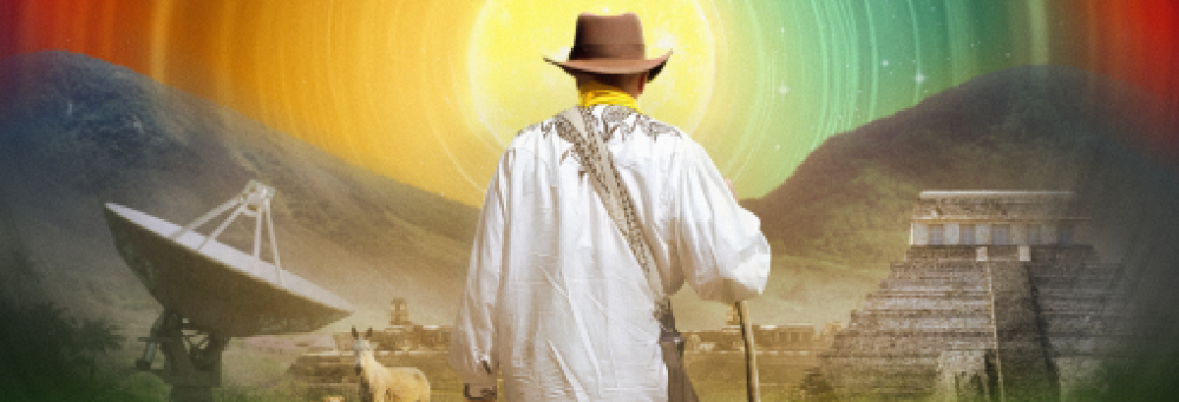
By Mark A Leon
In 1965, a group of Indigenous elders foretold the arrival of a man who would stare death in the eyes yet survive—spared so he could one day unite the tribes of the Amazon and help protect the rainforest, perhaps even existence itself.
Amazing? Far-fetched? Outlandishly mystical? A spiritual odyssey? Or simply a global wake-up call?
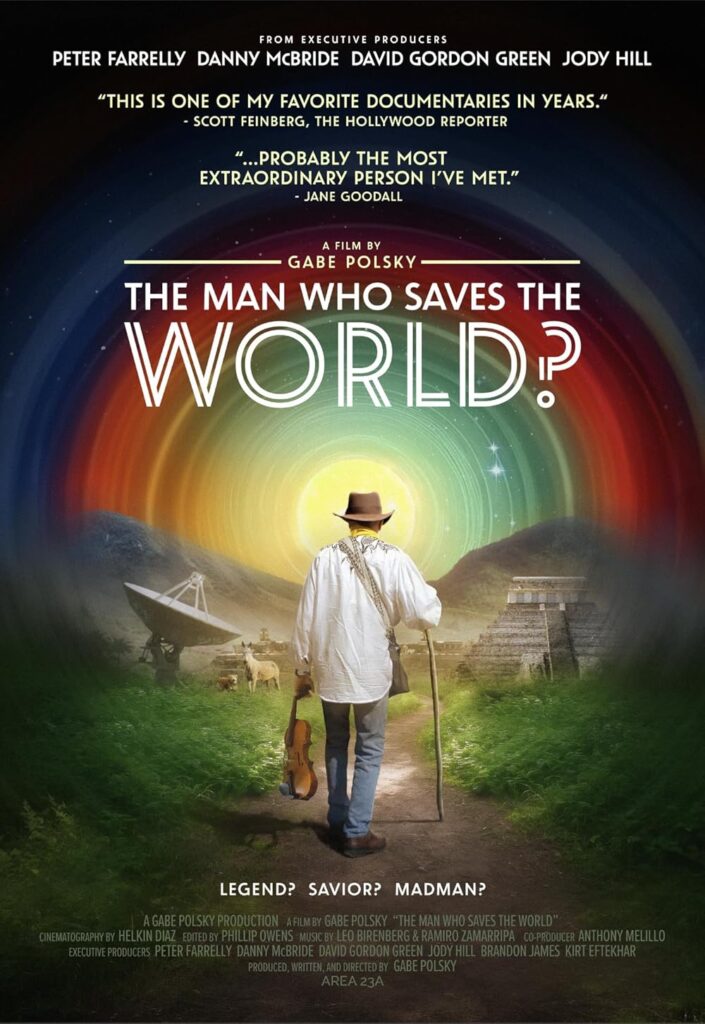
No matter how one interprets that prophecy, its echoes form the foundation of a compelling new documentary by filmmaker Gabe Polsky: The Man Who Saves The World?
Polsky approaches the story with a blend of humor, mystique, reverence, and introspection. At the center of this cinematic swirl stands the film’s subject, Rev. Patrick McCollum, a man whose life is as improbable as it is captivating. Polsky doesn’t just present McCollum—he serves as the conduit through which this story is delivered to the world.
To understand McCollum’s message of peace and healing, the film first traces his origins. He was raised by Darla from The Little Rascals and by a father who helped engineer the Apollo missions. At 15, he nearly died in a severe motorcycle accident—an event that eerily aligns with the prophecy spoken decades earlier. Now, at 75, McCollum finds himself fulfilling that foretelling, living a life that is at once profoundly simple—rooted in kindness—and cosmically ambitious: to help save the planet.
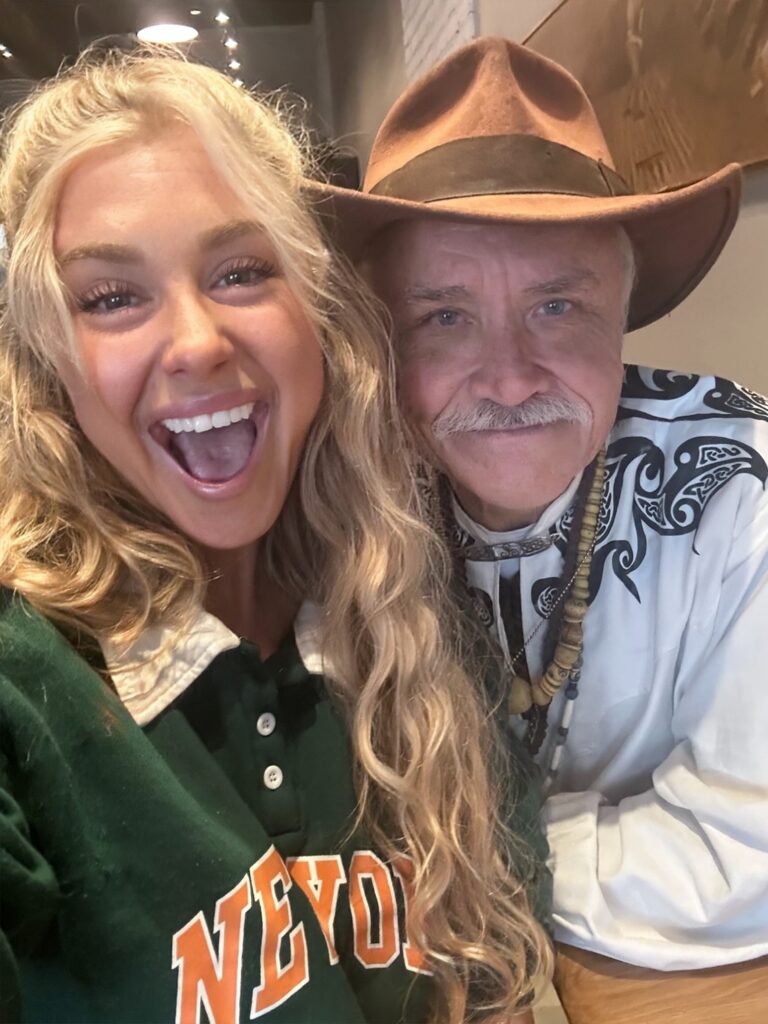
The documentary is his story, yet only the surface of something larger—an unfolding movement grounded in unity, compassion, and environmental stewardship.
One of many national screenings took place Friday night at the Charleston Music Hall, followed by a thoughtful Q&A that extended the film’s themes from screen to audience. The evening wasn’t just a viewing; it was a communal call to attention.
Key Takeaways from Q&A with Patrick and Gabe
- The documentary explores an extraordinary journey of Patrick McCullom, who claims to have fulfilled an ancient Kogi tribe prophecy by returning gold to the indigenous people, symbolically restoring their spiritual essence. What began as a curious investigation transformed into a profound cross-cultural experience that reunited indigenous tribes after 550 years of separation. Filmmaker GabePolsky initially approached the story with skepticism, meticulously verifying details while documenting McCullom’s seemingly incredible narrative.
- At its core, the film represents a deeper exploration of humanity’s relationship with the unknown and the courage required to step beyond conventional boundaries. McCullom, despite being 75 years old and facing significant personal health challenges, including multiple knee replacements and a life-threatening infection, ventured into the Amazon to engage with the Kogi tribe. His journey challenges societal narratives about aging and limitations, demonstrating that purpose and passion can transcend physical constraints and traditional expectations.
- The documentary’s most compelling message extends beyond the specific prophecy, emphasizing individual and collective responsibility in creating positive change. McCullom suggests that the prophecy is not just about his personal journey, but about inspiring others to make meaningful contributions to their communities. By highlighting the potential for interconnectedness between indigenous cultures and “the people of the concrete,” the film invites viewers to reflect on their own capacity to create meaningful transformation, regardless of their background or perceived limitations.
Emphasizing connection, shared purpose, and the possibility of collective change, the film reminds us that each of us—through small gestures or sweeping actions—can contribute to a more sustainable future. Its power lies not only in McCollum’s journey, but in the mirror, it holds up to anyone willing to look.
Fittingly, as I pulled into my driveway after the screening, the opening lines of “Man in the Mirror” by Michael Jackson played through my speakers—a symbolic closing note to a film that urges us to examine ourselves, and perhaps, to begin.
Click HERE to follow on Instagram and follow the journey
