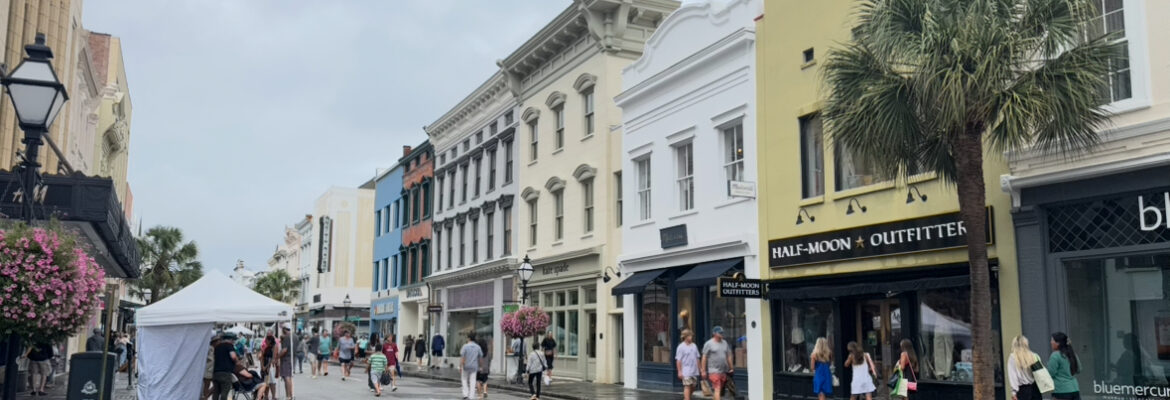
Closing King Street (Charleston, SC) to Cars Permanently: Advantages and Disadvantages
By Mark A Leon
Closing a major commercial spine like King Street to cars is a big move — it reshapes daily life, business, transit, and the character of a city. Below is a balanced look at the likely benefits and trade-offs of making King Street permanently car-free.
Advantages
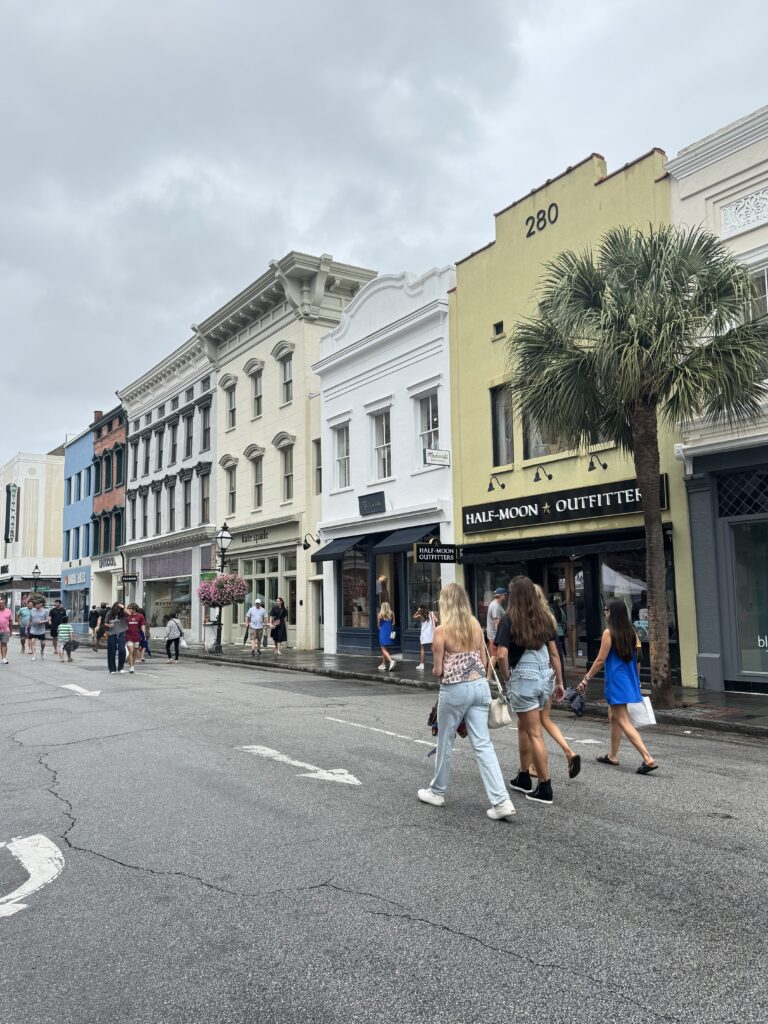
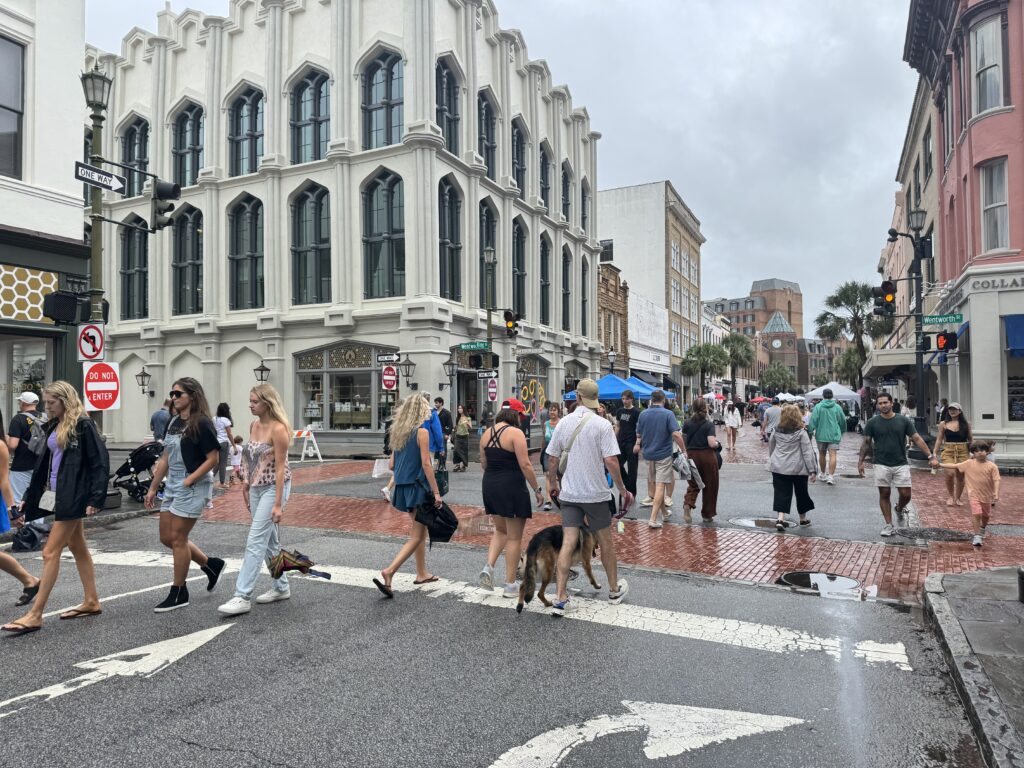
- Improved pedestrian experience and safety. Removing cars creates wider walkways, safer crossings, and fewer vehicle–pedestrian conflicts. That encourages foot traffic, leisurely browsing, lingering at cafés, and family-friendly street life.
- Boost to local businesses and placemaking. Pedestrianized streets often see higher dwell time and spending per visitor. Outdoor dining, pop-up markets, and street performances can thrive, strengthening King Street’s identity as a destination and improving property values over time.
- Lower noise and air pollution. Fewer vehicles means quieter streets and better air quality, which benefits residents, workers, and visitors — especially vulnerable groups like children and older adults.
- Climate and urban-design benefits. Removing through-traffic supports sustainable transport: more biking, walking, and transit use. It also frees space for greenery, permeable paving, and stormwater features — important in a low-lying coastal city.
- Stronger tourism and branding. A car-free King Street could become an iconic attraction, offering memorable, Instagram-ready experiences that differentiate Charleston from other historic downtowns.
Disadvantages
- Traffic diversion and congestion elsewhere. Cars won’t disappear — they’ll be forced onto adjacent streets, potentially increasing congestion, noise, and pollution in residential neighborhoods. Without good traffic planning, the net mobility outcome could be worse.
- Access and equity concerns. People with mobility impairments, older residents, and those relying on cars for errands may find access harder. If alternatives (accessible transit, curbside drop-offs, nearby parking) aren’t well-provided, the policy risks excluding some groups.
- Delivery, service, and emergency logistics. Businesses need deliveries; emergency vehicles need access. Permanent closure requires carefully designed loading zones, scheduled delivery windows, and clear emergency ingress plans — all of which add complexity and cost.
- Economic risk for some businesses. While many retail and hospitality businesses benefit, others (certain service providers, destination shops that depend on short-term parking) might see reduced footfall without targeted mitigation.
- Implementation and enforcement costs. Physical changes (bollards, regrading, furniture, landscaping), signage, enforcement, and transit upgrades require upfront investment and ongoing maintenance. Funding and political will are necessary.
Mitigations and design principles
- Phase the change with pilot closures and robust data collection to adapt before going permanent.
- Provide accessible drop-off zones, dedicated delivery times, and emergency corridors.
- Expand high-quality public transit, bike lanes, and parking hubs at the periphery with shuttle connections.
- Invest revenue-sharing or grants to help small businesses adapt (streeteries, façade improvements).
- Engage residents and businesses in planning to surface equity concerns early.
Conclusion
A permanently car-free King Street could unlock major quality-of-life and economic benefits for Charleston, creating a safer, greener, and more walkable downtown. But success depends on thoughtful planning — managing traffic spillover, ensuring accessibility, funding infrastructure, and bringing the community along. With careful design and adaptive implementation, the upside is substantial; neglected, the downside could deepen existing access and congestion problems.
Stay connected and subscribe to Charleston Daily.

Charleston Daily
Charleston Daily is a concept in community. Its mission is to promote, assist, and celebrate in everything Charleston, South Carolina. By partnering with businesses, community leaders, volunteers and events, we are spreading the love that is Charleston. As this city continues to grow and prosper, we want to help spread the message to all about how wonderful this community is. Charleston is about the people, community, water, land, history, heritage and the true southern warmth it brings with each and every day.
Bad idea to permanently close King St.
I would love this
That’s crap! How will this really help tourism? Tourism is always the excuse! What about people who live here? There is not enough parking in the shopping district as it is especially with dumpster taking up parking spots! And how is the City of Charleston going to make money by eliminating meters and parking tickets?
The city spends too much money on marketing the city to the country and the globe!
Totally agree!
Visitors come for mainly for the history. Businesses will make money regardless of street closures or not. Traffic can be maintained with proper working equipments and strickly enforcing jaywalikng. Charleston has rapidly turn into GREED! Parking will skyrocket as parking is l8mited as it is. I see a future French Quaters from this. Shame on the people of greed.
With closing King Street because of car, congestion and people walking on the streets and it be dangerous I understand that. But I’m handicapped so where am I going to be able to park my car close enough to the market District to be able to enjoy your day in CHARLESTON. There are just so many places to park your car on side streets Where are we all going to park?
Daily trolley from King to Spring! Early morning deliveries for businesses?
Can’t happen soon enough. Already too many people on the sidewalks flowing into the street. It’s only a matter of time before another person gets hit. Anyone who drives in Charleston doesn’t use king street to begin with. Eliminating the 50 spots of street parking on Charleston out of the thousands of available spots already is negligible. We can increase the number of handicap spots by adding those to the streets that intersect King and increase the accessibility by adding more than we have now. The citizens of this beautiful city are ready for a trees going down the center of king street providing a great shade to the August heat. Less noise, more outside dining, SAFE passageway, and so much more.
Terrible idea, public infrastructure such as parking, public restrooms, and navigating one-way streets have not been made available. There would need to be a lot of revamping done prior to shutting it down.
Not enough pros to out weigh the cons.
Make it one car lane in middle, widen sidewalks, add bike line from calhoun st to broad st. do not close off completely to cars.
Closed, the reasons why people want to keep it open are the reasons we have roads. That stretch of road does not fullfil the prupose of a road as it is intended. Nobody uses it to commute, nobody parks there permanently. The foot traffic is becoming the primary use of the road. Close it and no will care and it will have the big city vibe of being somewhere nice and developed enough that we don’t need previous roads anymore.
Except people like me , that work and live on King Street. Where are you from🫠 North Charleston?
This will be a huge benefit to Downtown businesses. It’s a global trend. Imagine no busses, garbage trucks, business service, delivery trucks. It will make visiting King St a destination. I’ve spoken to city govt about it about 3 years ago and they were totally against it saying the businesses would be against it. They are both wrong. It will rocket fuel the businesses.
The trees for shade is a dream come true!!!!!!!
Not a bad idea but…with parking on one side of king cross Calhoun at times it becomes one lane or very tight born and raised in Charleston it’s started to be catered to the tourists i don’t bother to come down and shop tourists step off of the narrow sidewalk in front of car traffic backs up at time whatever happens i hope it better for the city so will continue to shop at the tanger outlet, and malls.
Bad idea. The people that live downtown will suffer with all the cars parked in front of their homes