 by
by 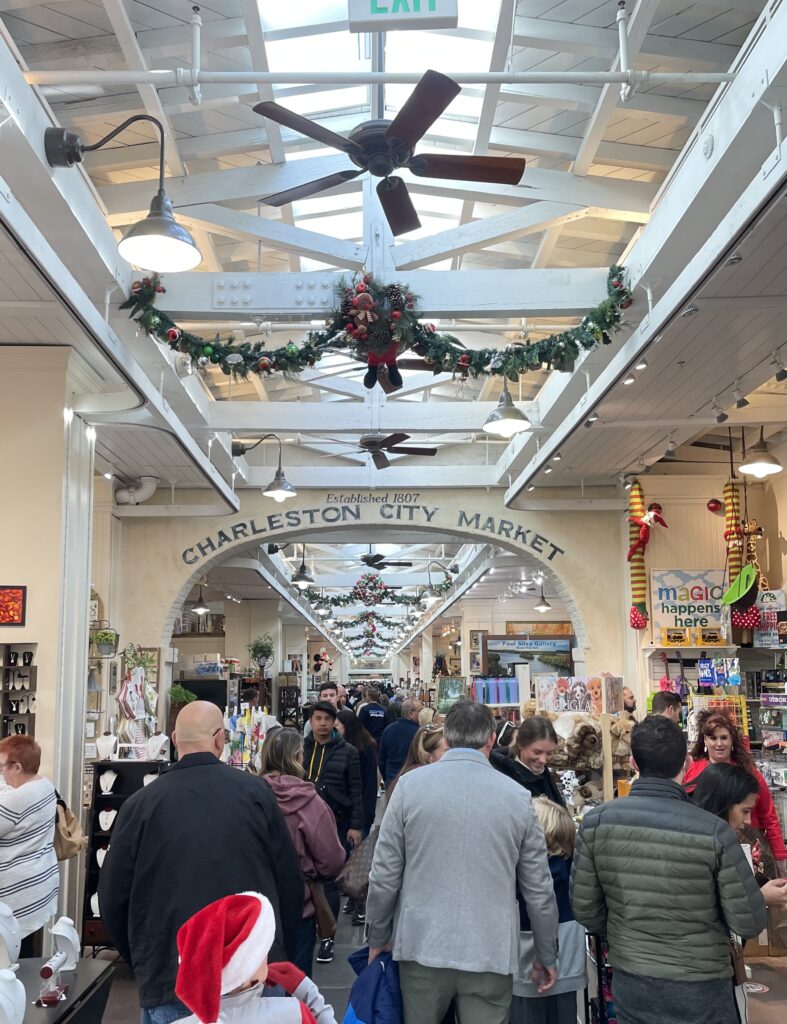
By Mark A Leon
There is a bigger issue behind the loss of a parking lot near Charleston’s City Market.
It is not really about parking.
It is about priorities.
The City of Charleston has sold the Port property parking area to the Beemok Group, the organization behind The Cooper hotel. The immediate consequence is that hundreds of small, independent City Market vendors who have relied on that parking for decades are suddenly scrambling to figure out where they—and their merchandise—will go.
According to comments made before Charleston City Council, approximately 300 City Market vendors have been affected. Some had been parking there for as long as 50 years. Vendors told the Council they had purchased monthly passes only to be told that their parking access was ending, leaving them without a practical place to park, load and unload the products that make up their businesses. (Charleston SC)
That should concern every Charleston resident.
The City Market is not simply another attraction. It is one of the places where Charleston’s entrepreneurial spirit is most visible. Its stalls are occupied by artists, craftspeople, makers and small-business owners—people who create products, pay taxes, employ people and contribute to the character that makes Charleston different from virtually every other destination city in America.
They are not multinational corporations.
They don’t have corporate parking decks.
They don’t have a transportation department.
They have a car, a van, a cart, boxes of merchandise—and a small business to run.
And that is why parking matters.
For a City Market vendor, losing convenient parking isn’t merely an inconvenience. It can mean arriving earlier, walking farther, paying more, transporting less inventory, losing time and potentially losing sales. It can make an already difficult business model even harder.
The irony is difficult to miss.
Charleston has made a point of recognizing the importance of small businesses and the hospitality economy. The city has even experimented with dedicated parking initiatives for hospitality workers because it understands that workers and businesses need practical ways to access downtown. (Charleston SC)
Yet right beside one of Charleston’s most recognizable small-business institutions, hundreds of vendors have lost access to a parking resource they depended upon for generations.
This is not an argument against The Cooper.
Charleston should welcome investment. New hotels, restaurants, developments and major employers can bring jobs, visitors and tax revenue.
But economic development should not require choosing between big investment and small business.
A thriving downtown needs both.
The question Charleston should be asking is simple:
When the city makes a decision that benefits a major private development, who makes sure the small businesses next door don’t pay the price?
The answer cannot be, “Find somewhere else to park.”
The city already acknowledges that downtown parking is scarce. Its own parking information states that there are currently no vacancies for monthly accounts in city garages or lots, and that the city has stopped adding prospective monthly parkers to waiting lists because there has been so little movement. (Charleston SC)
So telling small businesses to simply find another place isn’t a solution.
It is passing the problem along.
Charleston Market vendors deserve a seat at the table—not after the decision has been made, but before decisions affecting their ability to operate are finalized.
The city should work urgently with the Market vendors, the Port, Beemok and other downtown stakeholders to identify dedicated spaces for vendor parking and, critically, loading and unloading. If necessary, the city should consider permitting arrangements, reserved spaces or other creative solutions that recognize the unique needs of businesses that transport inventory every day.
Because there is something bigger at stake here than a parking lot.
Charleston’s identity has always been built by people who took something they made with their own hands and put it on a table downtown hoping someone would buy it.
That tradition is part of what visitors come here to experience.
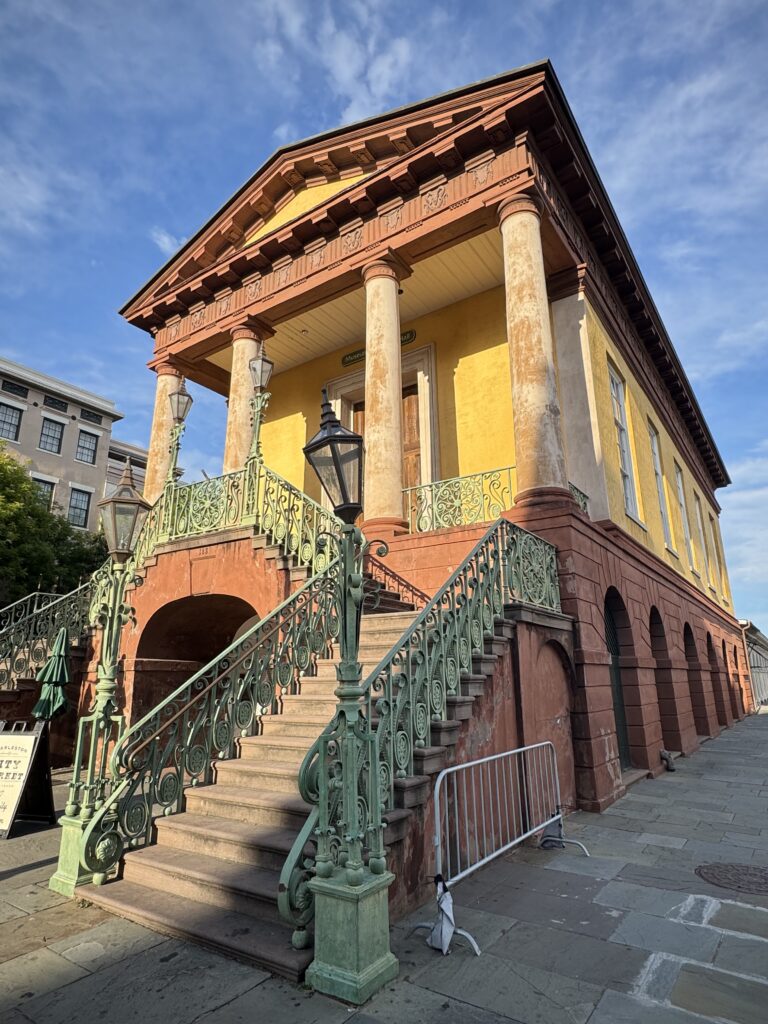
If we make it increasingly difficult for those people to afford to work downtown, eventually the market may still be standing—but the people and creativity that made it special won’t be.
Charleston should absolutely grow.
But growth should not mean that the little guy gets pushed out of the picture.
A city that wants to preserve its character has to preserve the people who create it.
And sometimes that starts with something as unglamorous—and as important—as a place to park.
Stay connected and subscribe to Charleston Daily.
