by
by 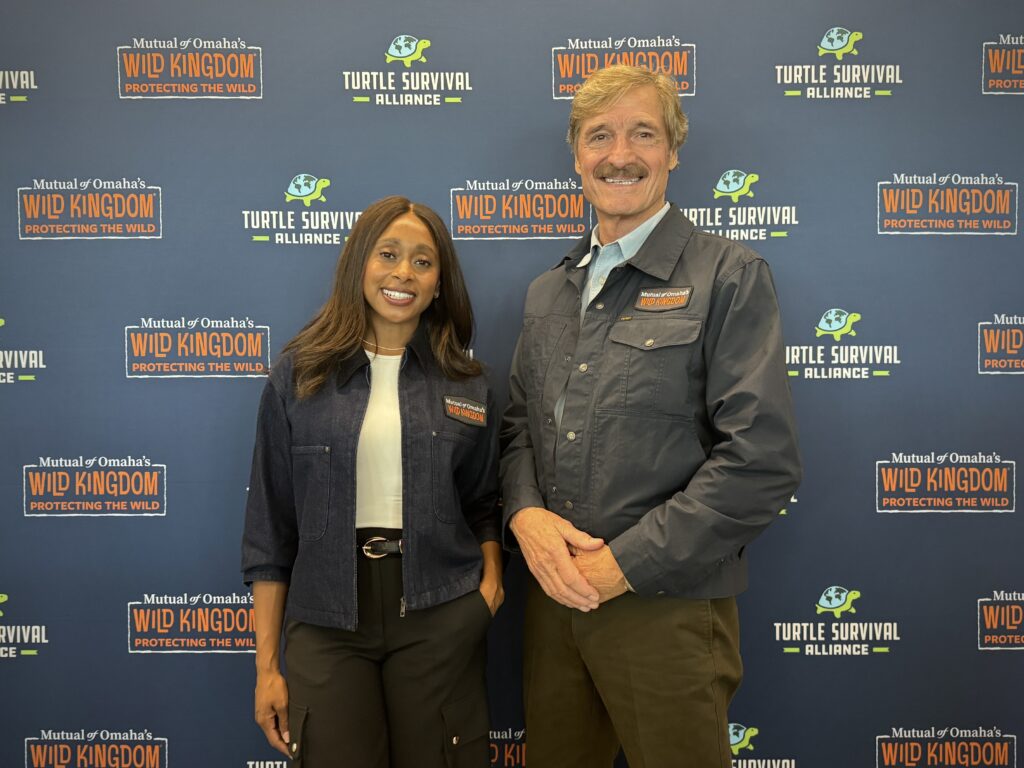
By Mark A Leon
For more than six decades, Mutual of Omaha’s Wild Kingdom has inspired generations to look beyond their backyards and into the remarkable world of wildlife. This week, the iconic series once again proved why its mission remains as relevant as ever—not simply celebrating nature’s beauty, but championing the science, partnerships, and everyday actions needed to protect it.
During an engaging conversation with co-hosts Peter Gros and Dr. Rae Wynn-Grant, conservation took center stage. Their stories from the field, reflections on the challenges facing wildlife, and unwavering optimism for the future underscored a simple but powerful truth: protecting endangered species requires both scientific expertise and public participation.
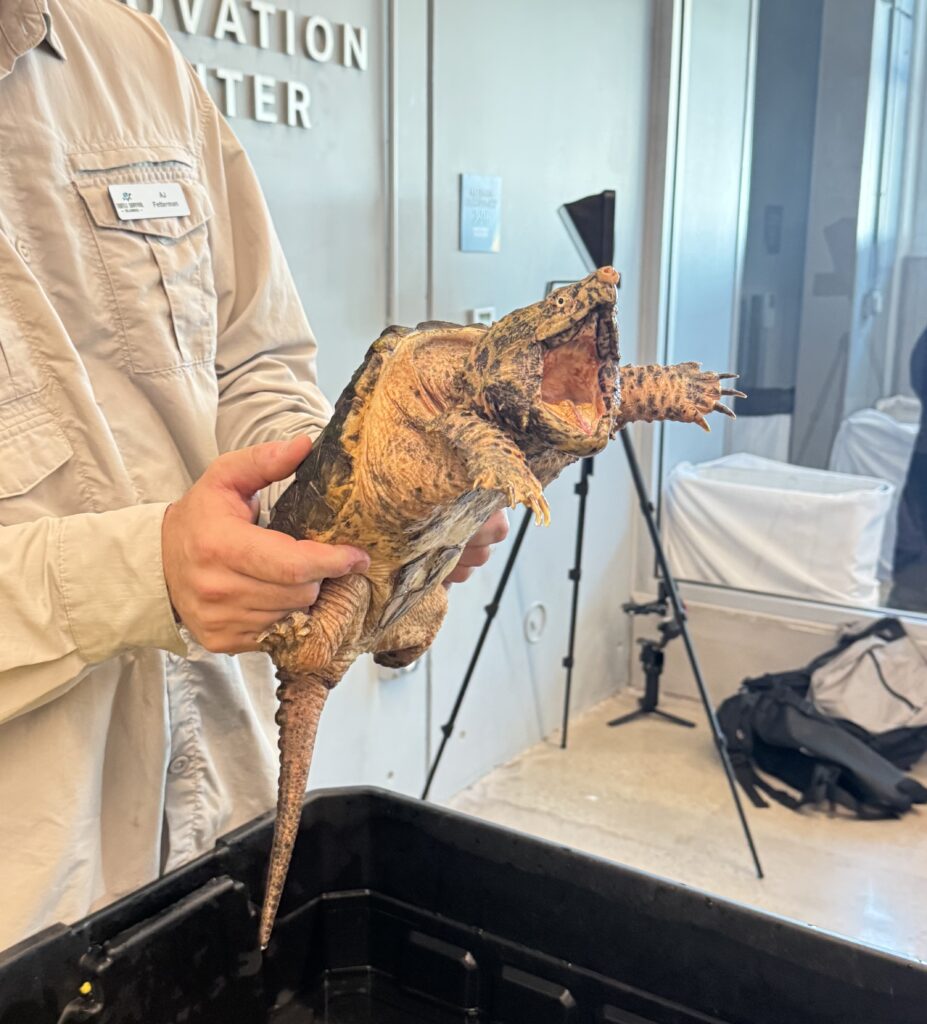
That message carried even greater significance as the hosts travel to South Carolina’s Turtle Survival Alliance Turtle Survival Center in Cross, SC, where Wild Kingdom films on Wednesday. The visit places one of the nation’s most important conservation facilities in the national spotlight, highlighting the extraordinary work being done in the Palmetto State to save some of the world’s most endangered turtle and tortoise species from extinction.
Peter Gros, who joined the original Wild Kingdom team alongside legendary naturalist Jim Fowler in 1985, has spent decades educating audiences about wildlife conservation, rehabilitation, and environmental stewardship. Joining him is Dr. Rae Wynn-Grant, a wildlife ecologist whose groundbreaking research on bears, lions, and human-wildlife coexistence has helped shape modern conservation science. Since becoming co-host in 2023, she has brought a fresh scientific perspective to the beloved series while continuing its longstanding tradition of making wildlife accessible to audiences of all ages.
Throughout the discussion, both hosts emphasized that firsthand experiences with wildlife often become lifelong catalysts for conservation. Dr. Wynn-Grant recalled observing female polar bears and their cubs in Churchill, Manitoba—a moment she described as unforgettable.
“We were watching female polar bears with cubs, you know, in their natural habitat. It was absolutely unforgettable,” she said.
Experiences like that, she explained, transform conservation from an abstract concept into a deeply personal responsibility.
Yet some of the greatest hope for wildlife, according to Gros, comes not from the animals themselves but from the next generation of conservationists.
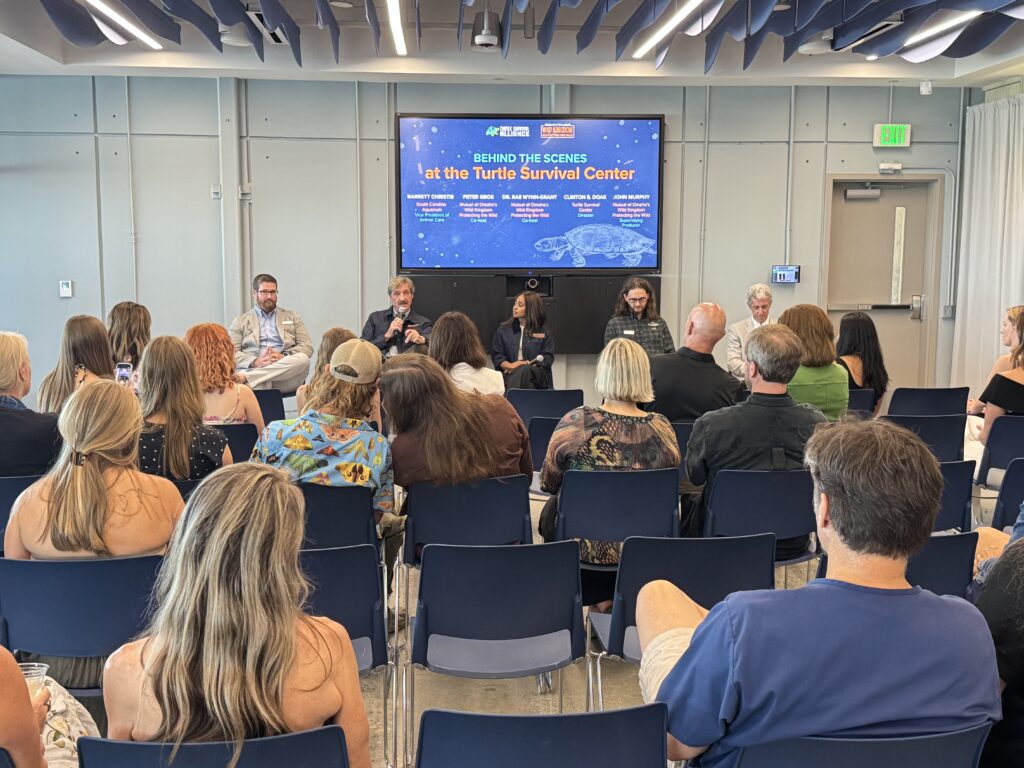
After visiting a program for high school students interested in environmental careers, Gros spoke passionately about the remarkable diversity and enthusiasm he witnessed.
“There’s something special about this community here that I’ve never witnessed in all my travels,” he said, noting the broad range of racial, cultural, gender, and international backgrounds represented among students pursuing conservation.
For both hosts, inspiring young people has always been one of Wild Kingdom’s greatest strengths. The series continues to bridge generations by encouraging curiosity, fostering respect for wildlife, and demonstrating that everyone can play a role in protecting the planet.
The conversation also addressed one of conservation’s growing challenges: misinformation. Both Gros and Dr. Wynn-Grant expressed concern over the rapid spread of inaccurate information online, particularly regarding wildlife and environmental science.
“We have a commitment to factual scientific information,” Dr. Wynn-Grant said, explaining that the integrity of Wild Kingdom depends on presenting evidence-based conservation stories rooted in research rather than sensationalism.
They acknowledged that misinformation can discourage public trust and create confusion around critical environmental issues, making credible science communication more important than ever.
Equally important was their emphasis on practical conservation. Protecting wildlife is not limited to scientists working in remote field sites—it begins with everyday choices made by millions of people.
The hosts encouraged viewers to protect habitats, reduce pollution, support conservation organizations, participate in community cleanups, and oppose the illegal wildlife trade. Gros pointed to plastic pollution as one of the simplest yet most devastating examples of human impact.
“Plastics—ocean plastics really—kills them dead almost immediately,” he said, reminding audiences that small changes in daily habits can collectively save countless animals.
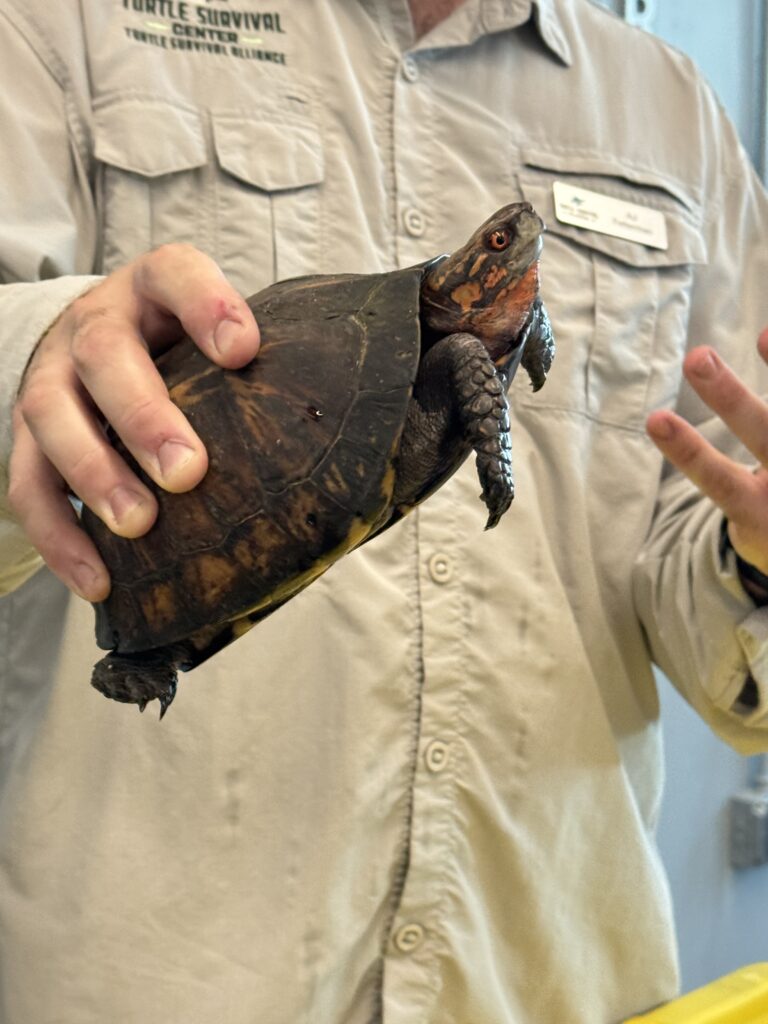
Those principles are put into practice every day at the Turtle Survival Alliance Turtle Survival Center in Clover. The internationally recognized facility serves as a global conservation hub, breeding and safeguarding some of the rarest turtle species on Earth while supporting research, education, and species recovery efforts around the world. By choosing to film there, Mutual of Omaha’s Wild Kingdom showcased not only an extraordinary South Carolina institution but also the collaborative work of scientists, veterinarians, conservationists, and volunteers dedicated to preventing extinction.
As wildlife populations continue to face mounting pressures from habitat loss, climate change, pollution, and illegal trafficking, the enduring mission of Wild Kingdom remains clear: inspire wonder, educate with integrity, and empower action.
For more than 60 years, the program has connected audiences with the natural world. Its visit to the Turtle Survival Alliance reminds viewers that some of the world’s most important conservation stories are unfolding not in distant wilderness alone, but right here in South Carolina—where dedicated professionals are working every day to ensure that endangered species have a future.
In shining a national spotlight on the Turtle Survival Alliance, Mutual of Omaha’s Wild Kingdom celebrated more than remarkable animals. It celebrated the people whose passion, science, and perseverance are giving those species a second chance at survival—and reminded us all that conservation succeeds when knowledge is transformed into action.
Where can I watch Mutual of Omaha’s Wild Kingdom: Protecting the Wild?
- NBC – Airs on weekend mornings during the “The More You Know” programming block (check your local listings).
- Peacock – New episodes are typically available about 24 hours after they air on NBC.
- NBC.com – Episodes are available to stream for free after broadcast.
Stay connected and subscribe to Charleston Daily.