Grand Opening: The Haven Resource Center, a ministry of City Life Charleston in Mount Pleasant, South Carolina

Read More

The Haven is a ministry of City Life Charleston. The mission of The Haven Resource Center is to provide free, tangible resources to children and families within the foster care, adoption, and kinship community.

The Haven seeks to be an excellent resource for foster, adoptive, and kinship families in the Charleston area that shares the love story of Jesus by meeting tangible needs through a free boutique that serves with compassion, support, and integrity. We desire to also become a safe and strong ministry of advocacy, resources, and education for this circle.

Location: 3015 Dunes West Blvd. Suite 301, Mount Pleasant, SC 29466

Hours of Operation: Tuesday 9 AM – 11 AM / Thursday 6 PM – 8 PM / Saturday 9 AM – 12 PM

Want to donate:

DONATION DROP-OFF TIMES: Tuesday 9 AM -11 AM; Thursday 6 PM – 8 PM; Saturday 9 AM -12 PM. Unassisted drop-offs can be made in the blue laundry cart located outside of The Haven Resource Center on Sundays 7:30 AM – 12:30 PM

Click HERE to Donate

5 Key Challenges to Consider about Living in the Charleston, South Carolina Area

Read More

By Mark A. Leon

Charleston, South Carolina is a beautiful city with a rich history and culture, incredible coastal aesthetics and a warmth and safety kissed by true Southern Charm, but like any place, it has its challenges. We love and embrace the magic that is the Lowcountry, but we know that like any place, it isn’t the perfect cultural fit for everyone.

We wanted to share some high level challenges you may face if you choose to call the Charleston Lowcountry area home:

  1. High Cost of Living: The cost of living in Charleston is higher than the national average, especially when it comes to housing. The city has seen a lot of growth in recent years, which has driven up property values and rent prices. One of the biggest demographics that struggles with this are single homeowners or renters.
  2. Traffic Congestion: Charleston is a popular tourist destination, which means that the roads can be very congested during peak seasons. Additionally, the city’s infrastructure is not designed to handle the large influx of people that come with tourism, which can lead to frustrating commutes. Some of the biggest challenge roadway areas are Highway 41, 17 North, Maybank Highway, Ashley Phosphate Road, Highway 61, Dorchester Road, Crosstown, Savannah Highway and Folly Road to name a few.
  3. Extreme Weather: Charleston is located in a coastal region, which means it is vulnerable to hurricanes and flooding. The city has experienced significant flooding in recent years, and residents need to be prepared for severe weather events. Some things you need to prepare for are higher insurance premiums closer to the coast, cars more equipped for volatile weather, gas/food shortages prior to predictive hurricane conditions and boarding up windows/sand bagging entranceways.
  4. Racial Tensions: Charleston has a complex history when it comes to race relations, and there are still tensions that exist today. The city has been the site of several high-profile racially motivated incidents in recent years, and some residents may feel uncomfortable or unwelcome due to these issues. Overall, the tri-county is safe compared to other mid-sized and larger urban areas of the country, but there are generational issues that date back over 400 years.
  5. Limited Job Opportunities: While Charleston has a growing economy, job opportunities may be limited in certain industries. The city’s economy is heavily reliant on tourism, hospitality, medical and manufacturing, which can make it challenging for individuals in other fields to find work.

Overall, while Charleston is a beautiful city with a lot to offer, living there may come with certain challenges. It’s important to weigh these factors against the many positives of living in Charleston when considering a move to the area.

Related: Things to Consider If You Are Thinking About Moving to Charleston, South Carolina

Related: What Makes Charleston, South Carolina a Special Place to Live

Related: 10 Reasons Charleston Area Traffic is Concerning

Follow and subscribe on Charleston Daily

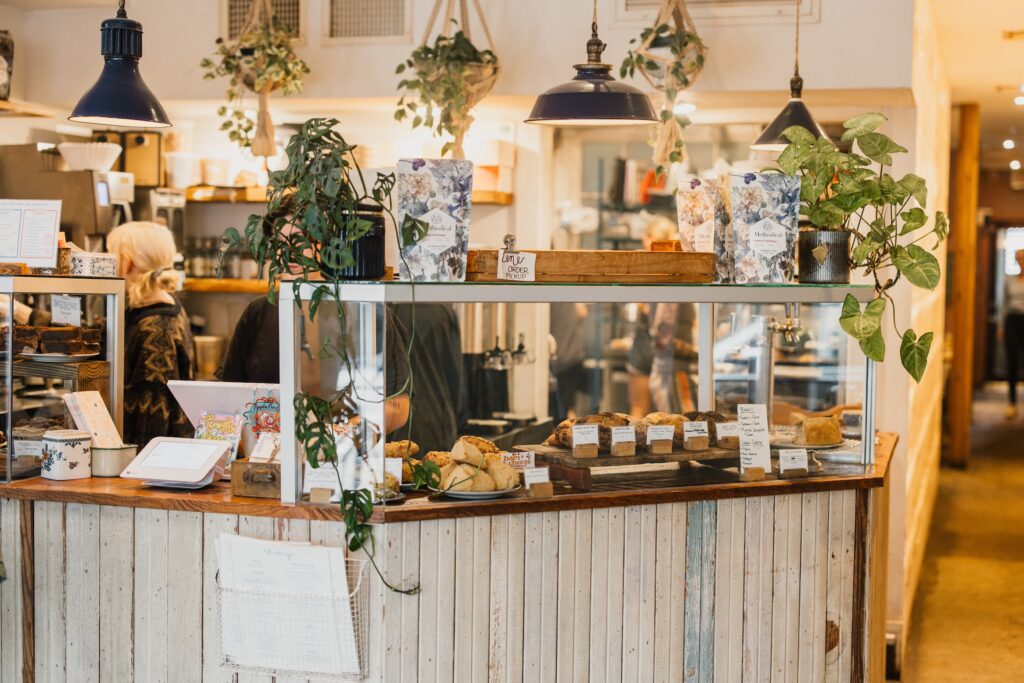
PlantHouse in Mount Pleasant, SC has announced their closing – Last day September 21, 2024

Read More

Mark A Leon

PlantHouse plant shop and workshop in Mount Pleasant, SC, located at 832 Coleman Blvd, Mt Pleasant, SC 29464 has announced they will be closing down.

The last day will be September 21, 2024.

Let’s show our love and say goodbye before the 21st.

Official Website – https://planthouse.us

In a message today on Instagram, the team shared this message.

10 “Firsts” in the United States that occurred in Charleston, South Carolina

Read More

Charleston, South Carolina, is known for several historical “firsts” in the United States:

  • First permanent English settlement in South Carolina: Established at Albemarle Point in Charleston in 1670 (Charles Town)
  • Phillips Episcopal Church Parsonage Provincial Library in Charleston, South Carolina, was founded in 1698. It was the first public lending library in the American Colonies.
  • February 8, 1735 — The first opera performed in the Colonies opened today in Charleston, South Carolina. A ballad opera entitled, Flora: Or Hob in the Well, debuted at the New World Theatre.
  • First building used solely as a theatre: The Dock Street Theatre in Charleston, constructed in 1736.
  • First public museum: The Charleston Museum, organized on January 12, 1773.
  • First municipal college: The College of Charleston, opened on April 1, 1838.
  • First golf club in America: The South Carolina Golf Club, formed in 1786.
  • Built between 1822 and 1826, The Fireproof Building was the first fireproof building built in our nation’s history. At that time, Charleston had already had three major fires, and two more were yet to come! This building was designed by famed architect, and Charleston native, Robert Mills.
  • The Best Friend of Charleston made its inaugural run on Christmas Day, December 25, 1830. On that day, it pulled a passenger train along a six-mile route. With this, the Best Friend of Charleston became the first American-built steam locomotive to haul a train of passenger cars on a public railroad.
  • First Spoleto Festival: Held in Charleston, SC in May 1977. Spoleto Festival USA was founded in 1977 by Pulitzer Prize-winning composer Gian Carlo Menotti, Christopher Keene, and others who sought to create an American counterpart to their annual Festival of Two Worlds in Spoleto, Italy.

These events highlight Charleston’s significant contributions to American history and culture.

Additional Resources if you want to learn more:

Stay connected and subscribe to Charleston Daily.

Map of Charles Town

Postcard of the College of Charleston

Goodie Bag is coming to Charleston, SC on September 6, 2024 – What is it? A mobile app designed to reduce food waste and provide local residents with affordable restaurant food options

Read More

By Mark A. Leon

Hey Charleston, South Carolina! Are you ready for Goodie Bag?

After a successful launch in Boulder, CO and Charlotte, NC, Goodie Bag is bringing the concept of reducing food waste and connecting patrons to local restaurants with affordable options to Charleston, South Carolina.

About Goodie Bag

After graduating from the University of Colorado-Boulder, our co-founders Eddy Connors and Luke Siegert established Goodie Bag. Our mission is to reduce food waste, offer more affordable options for quality food, and assist local shops in salvaging revenue and attracting new customers. We achieve this through our mobile app, which connects users with unsold but perfectly good food from local businesses at discounted prices for pickup. Initially founded in Colorado, we launched in Boulder, then expanded to Fort Collins and Denver. Then, in 2024, we moved from Colorado to Charlotte, NC. Our success in the Charlotte market has been significant, and we have received a lot of requests to come to Charleston as a result.

Official Website and App Download

Here is a list of shops currently committed for our launch on September 6, 2024:

  • The Daily
  • Bodega
  • Saffron Cafe and Bakery
  • Atlyss Food Collective
  • Sabatinos Authentic New York City Pizza
  • Benny Palmetto’s Pizza
  • Daddy’s Girls Bakery
  • Great Harvest Bread
  • Little Peanut Bake Shop
  • Carolina Butcher and Beer
  • Charleston Bagel Co
  • New York City Pizza
  • Maccaro Charleston
  • Lillie Fuel
  • Heights Meat Market
  • Red’s Ice House
  • Graze Craze
  • Blend Juice Bar
  • French Chocolate Cafe
  • Joey Bag of Donuts
  • Benny Ravello’s
  • Holy City Bagels

Anyone who joins the waitlist for Charleston (has to be a new user) PRIOR to launch on the 6th will get $6 in credits to use for their first goodie bag purchase. This amount covers most (if not all) of a first purchase. 

Stay connected and subscribe to Charleston Daily

A Love Letter to Charleston, South Carolina (From a very satisfied visitor)

Read More

Dear Charleston,

From the moment I first wandered your cobblestone streets, I was enchanted. Your beauty and charm, woven with rich history, have captured my heart. The iconic Rainbow Row and the grandeur of the Battery tell stories of resilience and elegance, each building a testament to the past that whispers its secrets to those who listen.

Your warmth radiates through the smiles of your residents, whose hospitality is unmatched. Strolling through the City Market, I felt a genuine kindness that is rare in this fast-paced world. The culinary delights you offer have spoiled me for life, each meal a celebration of your vibrant culture.

What I admire most is your ability to honor your history while embracing the present. I yearn to explore every inch of you, to sit in your cafés, sip lattes, and soak in the stories that fill the air. Though my time with you may be fleeting, the memories we’ve created will forever reside in my heart.

Thank you for welcoming me into your embrace. Until we meet again, know that you hold a special place in my soul.

With all my love,

A satisfied visitor (who shall return soon)

Charleston’s Culinary Scene: The Challenges and Rewards of Restaurant Ownership

Read More

By Mark A. Leon

Charleston, South Carolina, has earned its reputation as a multifaceted destination, renowned for its dining, history, lodging, beaches, hospitality, healthcare, and quality of life. Among these attractions, the city’s vibrant culinary scene stands out, drawing chefs from across the Southeast, the nation, and even internationally. While Charleston offers a fertile ground for culinary passion projects and career advancement, the reality of restaurant ownership in this competitive market is both challenging and rewarding.

The Realities of Restaurant Ownership

Running a successful restaurant in Charleston requires more than just culinary expertise. Owners must navigate a complex landscape of business challenges to turn their visions into reality.

Financial Challenges

  1. Tight Margins: High food costs, particularly for fine dining establishments using premium ingredients, necessitate careful pricing strategies to maintain profitability.
  • Forecasting: Predicting food demand in a tourist-dependent market with variable weather can be particularly challenging, especially for new establishments.

Market Dynamics

  1. Constant Competition: Charleston’s love for “new” concepts means existing restaurants must work harder to maintain relevance.
  • Customer Loyalty: Building a loyal customer base is crucial but challenging, given the diverse dining options and budget considerations of patrons.

Operational Hurdles

  1. Staffing Issues: The shortage of qualified front and back-of-house staff remains a significant challenge, requiring diligence in hiring and retention.
  • Marketing Demands: Continuous promotion across various platforms (social media, influencer partnerships, events) is essential but time-consuming.

Strategies for Success

To thrive in Charleston’s competitive restaurant scene, owners employ various tactics:

  1. Diversification: Expanding beyond traditional restaurant models through food trucks, festival participation, and local partnerships.
  • Brand Building: Leveraging merchandise, ambassadorships, and influencer collaborations to increase visibility and create additional revenue streams.
  • Adaptability: Staying relevant through menu innovation, theme nights, and responding to customer feedback.
  • Community Engagement: Participating in local events and collaborating with artisan vendors to strengthen community ties.

The Reward: Bringing a Vision to Life

Despite the challenges, many restaurant owners find immense satisfaction in seeing their culinary visions become reality. The ability to contribute to Charleston’s renowned food scene and create memorable experiences for diners makes the hard work worthwhile.

“Not being part of a restaurant group or having big money investors means smaller budgets for advertising, less time, less visibility, etc.  Any mom-and-pop restaurant is working so much harder in this industry. By this same turn, I have found that because I have to work harder at a lot of things that might come easier to the big names that I have made really personal and impactful connections.  The reward is definitely in the strong community bonds I have built in doing events, having live performances, and all of the other unique things I have done.” – Danielle Sweatman, Owner and Operator of Sweatman’s Garden

As diners, understanding these challenges can foster a deeper appreciation for the effort behind each meal. Supporting local restaurants becomes not just about enjoying great food, but also about contributing to the dreams and livelihoods of passionate culinary entrepreneurs who help make Charleston a world-class dining destination.

Special thank you to City Lights Eastside and Sweatman’s Garden or your insights on this thought piece.

Related: Charleston, South Carolina Business Spotlight: You think you know handmade soda, spirits and ramen? Well you don’t know Sweatman’s Garden

Stay connected and subscribe to Charleston Daily.

South Carolina Ranks as #5th Best States to Start a Small Business in 2024 (North Carolina #3)

Read More

Lendio revealed the results of a study ranking the best states for small businesses. Florida came in as the number one state to start a business with Texas and North Carolina coming in second and third.

The rankings were based on an analysis of 10 metrics from government and nonprofit sources and Lendio’s internal data including startup survival rates, access to business financing, favorable tax environments, and cost of living.

Each of the 50 states ranked.

Colorado, South Carolina, Ohio, Georgia, Massachusetts, Utah, and Oklahoma also made the top 10 list. While the states that made the top 10 stayed the same from Lendio’s 2023 analysis, there were some shifts in the line-up including Florida edging out Texas for the top spot.

Hawaii, New Hampshire, and Nebraska ranked as the bottom three states, due to low business funding and venture capital availability, limited local incentive programs, high tax rates, and high cost of living. 

“Small businesses are a critical part of our economy, but they’ve faced unprecedented challenges in the past five years from a global pandemic to high interest rates,” said Brock Blake, CEO and Co-Founder of Lendio. “Despite these challenges, small business owners continue to fight for their dreams and start new businesses in record-breaking numbers. States that create a favorable business environment will benefit from the influx of small businesses opened in the past year.”

States with the highest ranking by individual metrics include:

  • 5-year survival rate: Minnesota
  • SBA loans approved/100K Population: Utah
  • Loan offers received through Lendio’s marketplace/100K population: Wyoming
  • Venture capital/$1 million GDP: Massachusetts
  • Lowest corporate tax rate: Arkansas
  • Most business incentives: Maryland
  • Greatest population gains: Florida
  • Most educated workforce mobility/100K population: Colorado
  • Lowest housing costs: West Virginia
  • Greatest personal consumption expenditures: California

Top 10 best states to start a small business

10. Oklahoma (Previously 7)

This state boasts some of the most favorable local incentives in the country for business owners, with 84 inventive programs in total. Housing prices and cost of living are lower, compared to other states. Combined with a low, 4% corporate income tax rate, this creates an environment many entrepreneurs will find attractive. On the flip side, businesses in Oklahoma have lower-than-average access to capital and have seen a decline in educated workers moving to that state.

9. Utah (Previously 10)

Businesses in the state of Utah have exceptional access to capital. Utah is approved for the highest number of SBA loans per 100,000 population in the U.S. It also had $10,000 in VC funding per $1 million GDP, ranking No.10 in the U.S. in 2023. The state also has a lower corporate tax rate of 5% and offers 34 tax incentives to small businesses. The reason Utah did not rank higher on our list is that it has become an increasingly popular destination, and as a result, housing costs have increased significantly.

8. Massachusetts (Previously 4)

It’s no wonder tech-savvy Massachusetts gets the most amount of venture capital disbursed per $1 million of GDP, ranking No. 1 in the U.S. The state offers 73 different incentives for business owners. Massachusetts businesses also have one of the highest five-year survival rates of 57%. On the flip side, it has one of the highest median housing values in the U.S., and it is seeing more people leaving (57,000)—rather than moving to—the Bay State.

7. Georgia (Previously 9)

Georgia is also a great place for businesses, as it is within the top states with the most small business loans approved—over 30 small business loans per 100,000 residents through Lendio’s marketplace. Georgia has seen an influx of 81,406 people move in, making it the sixth-best state in this crucial category. Although the housing prices remain reasonable, Georgia has the second-highest growth in cost of living. 

6. Ohio (Previously 3)

Ohio has no corporate income tax rate. Even with the state’s gross receipt tax rate, which is not strictly comparable to the corporate income tax rate, it’s still considered a low-tax state. Ohio is also among the top states that have small business loans approved per 100k residents. With very low housing costs and good local incentive programs for businesses, Ohio is a good place for small businesses to settle. 

5. South Carolina (Previously 8)

Half of all startups in the Palmetto State have survived at least five years, and the state government offers 77 different incentives for small business owners—only three states offer more incentives than South Carolina. The state has a low 5% corporate income tax rate. In addition, housing prices and cost of living are among the lowest of all states, and 84,030 people moved in in 2022, making it the 4th-hottest place to relocate. 

4. Colorado (Previously 6)

If you are in Colorado, you may have a good chance to land a small business loan. Colorado ranks No. 7 in the U.S. for issuance of small business loans, with 27 small business loans per 100,000 residents. It also has the 7th highest amount of venture capital per $1 million GDP. With 55,768 educated workers moving here and a 4% corporate income tax rate, business owners can find a good place to start a small business. 

3. North Carolina (Previously 5)

North Carolina has been a hot place for in-migration, with 99,796 people relocating there in 2022 (the 3rd highest in the U.S.). Businesses here have an above-average, five-year survival rate. The state also has a low corporate tax rate of 2.5% and above-average access to business loans. With low housing costs, business owners find it an attractive location to start and run a small business. 

2. Texas (Previously 1)

Texas ranks as the second-best state for small businesses. While Texans receive a lower amount of SBA loan approvals/100K residents than other states, they were the 7th highest state for loans offered through Lendio’s marketplace. Of all businesses started in 2017 in the state, more than half survived five years of operations, outlasting those in many other states. According to Census Bureau data, over 400,000 people with at least some college education moved into Texas in 2022, making it a prime location for educated entrepreneurs to spread their wings. Beyond just workers, Texas has become one of the most popular places for Americans to relocate—thanks, in part, to its lack of a state income tax.

1. Florida (Previously 2)

Florida is the best state to start a business due to a low corporate tax rate (5.5%) and the mass migration of consumers and companies to the state. The Sunshine State sees more than half of its startup businesses survive for at least five years. It’s also a top recipient of SBA loan dollars (12th compared to other states) and ranked 2nd for the number of loan offers facilitated through Lendio’s marketplace.

See the full report for a breakdown of each state and the methodology behind the rankings.

About Lendio

Lendio is transforming small business lending by connecting small businesses, lenders, and small business service providers through a single integrated technology platform. Lendio provides purpose-built software that automates small business loan decisioning and underwriting for both banks and digital lenders, uses AI to match small businesses to the financing offers that best meet their needs, and embeds a full small business loan marketplace directly within small business service providers’ platforms – all of which work together to get small businesses access to the capital they need to be successful.

Related: From Market to Storefront:  The Evolution of a Charleston Small Business Owner

Stay connected and subscribe to Charleston Daily.
Multi-Media Mogul and Radio Hall of Fame Inductee Lenard “Charlamagne The God” McKelvey Provides Generous Donation to Charleston, SC Based Hope Center

Read More

Charleston Native’s Donation Will Fund the “Hope Breakfast” Program for Homeless

CHARLESTON, S.C., Sept. 3, 2024 /PRNewswire/ — Homeless to Hope Inc., a dedicated nonprofit organization committed to providing comprehensive wrap-around services to those experiencing homelessness, is thrilled to announce a significant donation from acclaimed Charleston, South Carolina native, Lenard “Charlamagne Tha God” McKelvey. The multi-media mogul and Radio Hall of Fame inductee serves as co-host of iHeartMedia’s nationally syndicated The Breakfast Club morning show. Through the donation, Homeless to Help aims to provide more than 1,000 meals over the next year.

The Hope Breakfast program provides a hot breakfast to the chronically homeless in Charleston, South Carolina. Charlamagne Tha God is no stranger to giving back to the community as he is a well-known advocate for mental health awareness through his Mental Wealth Alliance, which aims to destigmatize mental health in the Black community. Additionally, he is an Ambassador for the Food Bank for New York City. 

“As a proud native of Charleston, I am excited to partner with the Hope Center to support the community and assist others in need,” stated Lenard McKelvey. “The Hope Center is making an impact on people’s lives so it’s important for me to leverage my resources to make sure they are able to reach as many people as possible who are facing a difficult time in their lives.”
“Unfortunately, many of the homeless in our community struggle with obtaining access to daily basic needs that include healthy warm meals in our community. Fortunately, with the generous donation from Charlamagne Tha God, the Hope Center will continue to serve and increase the organization’s capacity to meet the needs of the most vulnerable in our community. The funds received from Charlamagne Tha God will be allocated 100% towards the Hope Breakfast program at the Hope Center,” said Latosha Jenkins-Fludd, Hope Center Executive Director.

About Hope Center
Homeless to Hope Center, Inc. is a private, not-for-profit 501c3 organization founded in 2023 to assist and support the City of Charleston’s Hope Center in the provision of comprehensive, community-based wraparound services for those experiencing homelessness or at risk of experiencing homelessness, and ensure an availability of resources that promote stability and self-sufficiency among unsheltered and vulnerable individuals and families living in Charleston, South Carolina.

About Lenard “Charlamagne Tha God” McKelvey
McKelvey is creator of The Black Effect Podcast Network, home to multiple chart-topping podcasts. Alongside Kevin Hart, he is also the executive producer of several award-winning scripted podcasts. Additionally, he is the co-creator and host of the popular podcast The Brilliant Idiots with comedian Andrew Schulz. The author of the New York Times Best Seller Black Privilege, he also wrote the best-selling Shook One and the recent Get Honest or Die Lying. He’s also partnered with Simon & Schuster Publishing on his imprint Black Privilege Publishing. Charlamagne is also an Emmy-winning producer through his production company, C Tha God World. He has hosted several network TV programs, including Stephen Colbert executive-produced Hell of a Week on Comedy Central.

For more information about the Hope Center and its initiatives, please visit https://hopecentercharleston.org

New therapy for small cell lung cancer offered at MUSC Hollings Cancer Center

Read More

By Leslie Cantu

A new type of treatment for small cell lung cancer is now offered at MUSC Hollings Cancer Center, and oncologist Mariam Alexander, M.D., Ph.D., is excited not only for what this means for her patients but what it portends for treatments of solid tumors of all types. 

The U.S. Food and Drug Administration approved tarlatamab in May for patients whose extensive small cell lung cancer has not responded or stopped responding to chemotherapy. 

It’s a bi-specific T-cell engager, or BiTE, a type of targeted therapy that looks for two targets: with one arm, it grabs onto a T-cell, a type of immune cell, and with the other arm, it attaches to a cancer cell, bringing the two cells closer together so that the T-cell can better recognize and kill the cancer cell. Up to this point, BiTE therapies have been approved only for blood cancers. 

“It will be incredible to have more drugs of this nature, which is where the oncology solid tumor field is moving,” Alexander said. 

Hollings treated its first patient with the newly approved drug in July, but this was not the first patient at Hollings to receive tarlatamab. 

Hollings participated in an arm of the clinical trial of tarlatamab, with Alexander serving as the site lead. She was impressed with the outcomes that she saw.

Small cell lung cancer

Small cell lung cancer is a difficult cancer to get under control. It’s less common than non-small cell lung cancer, accounting for only about 10% to 15% of all lung cancers. But it’s also a very fast-growing cancer.

“It will be incredible to have more drugs of this nature, which is where the oncology solid tumor field is moving.” 

Mariam Alexander, M.D., Ph.D.

Unlike non-small cell lung cancer, which can often be treated with surgery if it’s caught at an early stage, small cell lung cancer must be treated with radiation and chemotherapy if caught at an early stage. And it’s rarely caught at an early stage. More often, it’s diagnosed after it has spread, and the patient must be treated with chemotherapy and immunotherapy. 

“The issue with small cell lung cancer is that it responds to chemotherapy really well in the beginning, and the reason is because it’s a very fast-growing type of tumor. Fast-growing tumors respond to chemo very well. However, these responses aren’t durable,” said Alexander, using an oncologist’s term for a treatment that lasts. “Once they are off the chemo, some patients continue to respond to the immunotherapy. But most patients don’t.” 

After about six months, small cell lung cancer tends to come back. At that point, doctors will usually turn to a different chemotherapy since re-administering the original chemotherapy rarely works. But these chemotherapies are quite toxic with many side effects, Alexander pointed out. 

“What they’re seeing with tarlatamab is a durable response, so the patients who are responding continue to respond for a long time, and it doesn’t have the toxicities of chemotherapy,” Alexander explained.

Managing a new type of treatment

Although tarlatamab doesn’t have the ongoing side effects of chemotherapy, it’s not completely free of side effects. And the side effects that it does have limit the types of facilities that are likely able to offer this drug. 

Like CAR-T cell therapies for blood cancers, bispecific T-cell engagers can cause significant and intense short-term side effects, including cytokine release syndrome (CRS) and neurotoxicity. CRS happens when the body is suddenly flooded with an immune response. It can cause fever, low blood pressure and even trouble breathing. 

The nursing staff on the HOPE Unit in MUSC Health’s Ashley River Tower and the physicians on the blood cancers team are all well-versed in handling these side effects of CAR-T cell therapy. 

“The HOPE nurses have been doing this for CAR-T since 2019. They’re the most experienced providers in South Carolina,” explained Carrie Moore, R.N., currently the Blood and Marrow Transplant program director and formerly the manager of the HOPE unit. 

When Alexander initiated the clinical trial of tarlatamab at MUSC, she relied heavily on the expertise of her blood cancer colleagues along with the guidance of Moore and her team. Together, they began to develop procedures and protocols to enable the solid tumor teams to offer these types of emerging therapies, which are likely to become more common in the future.

a doctor in a white coat and a patient, sitting facing each other, have their bodies turned to look at a woman sitting at a computer station in the corner of the room who is speaking
Physician assistant Eleanor Hardy, center, chats with patient Debra Szablewski and Dr. Mariam Alexander. 

These patients must be closely monitored, as they can become very sick very quickly, Moore said. However, those short-term side effects can be handled, and the patient usually recovers with no ongoing ill effects. Those side effects also tend to show up only during the first two infusions, so patients can expect to be admitted for the first two infusions and to receive subsequent infusions on an outpatient basis. 

In fact, Alexander said, the company behind tarlatamab is launching another clinical trial, which Hollings will be part of, to see if tarlatamab should be given earlier in the course of the disease rather than waiting for chemotherapy to stop working. That trial will be on an outpatient basis because the company believes that the side effects are manageable with more supportive care. Either way, the staff will be ready. 

These are exciting therapies,” Moore said. “Our experience directly relates to the quality of patient care. And we’ll continue to grow our solid tumor services from here.” 

Alexander is happy to be able to offer options to patients who didn’t have many options before. Though small cell lung cancer is relatively uncommon, doctors here still see cases every month because South Carolina has higher than average smoking rates. 

“It’s a significant number of patients who I feel could be helped in our state,” she said.

Source Link: MUSC Hollings