by
by 
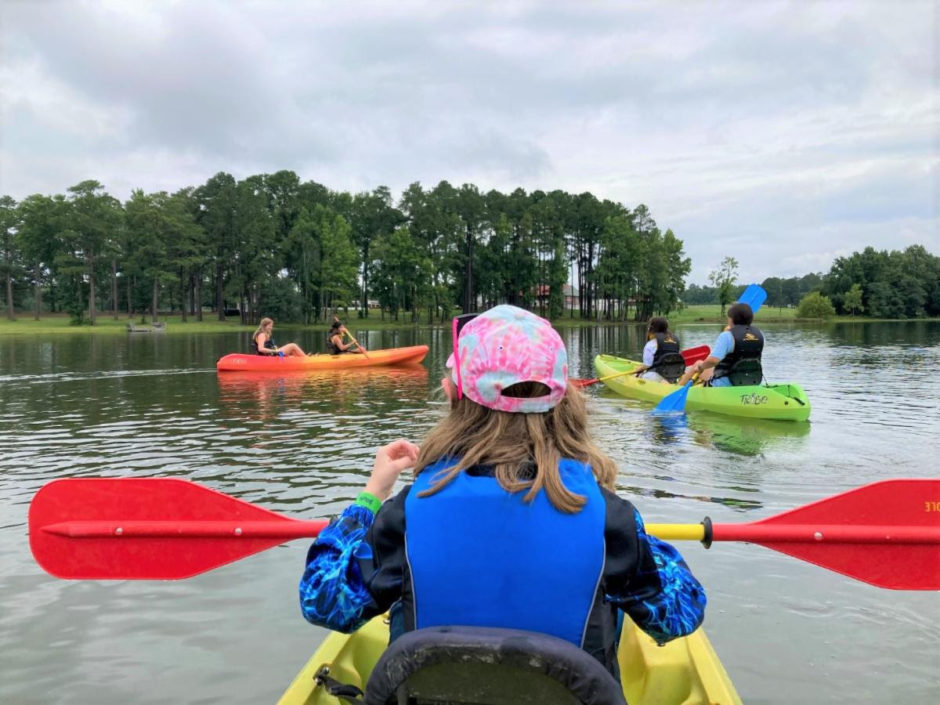
A day long expedition of kayaking to and hiking Bulls Island or Bull Island courtesy of Coastal Expeditions in Charleston, South Carolina
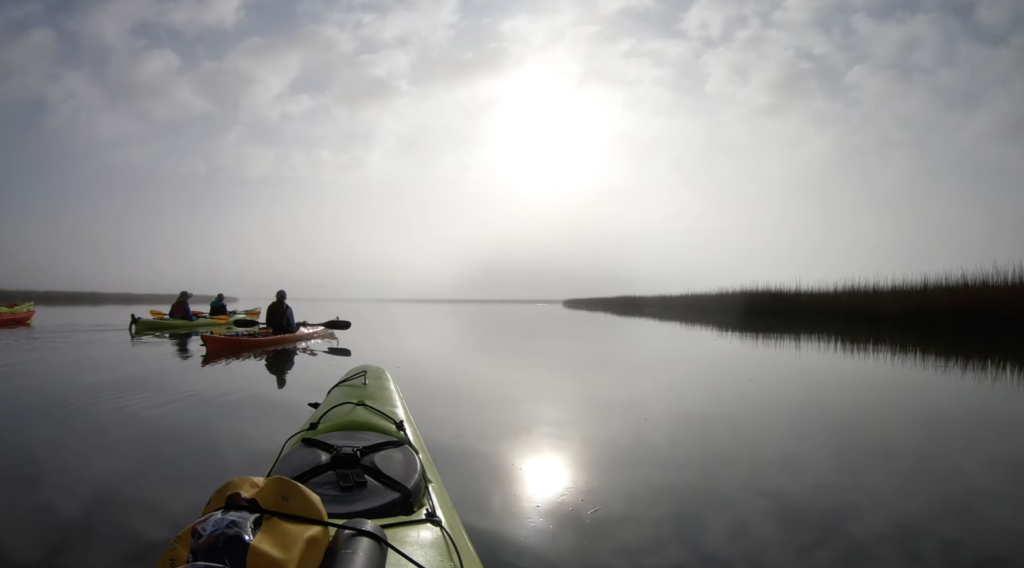

A day long expedition of kayaking to and hiking Bulls Island or Bull Island courtesy of Coastal Expeditions in Charleston, South Carolina
Courtesy of Our Restoration Nation
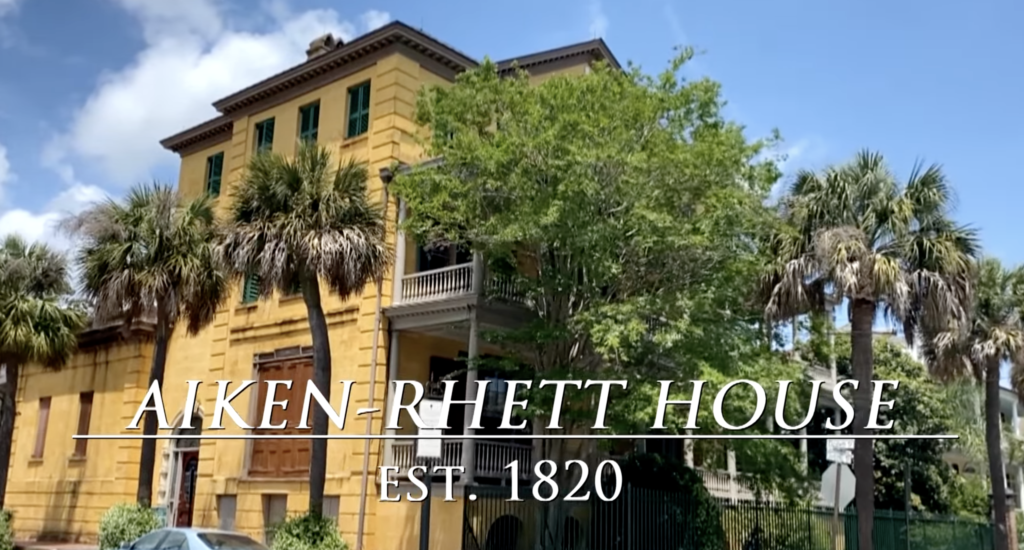
Come with us as we take you inside some of the most famous historic homes and gardens in the famous Holy City of Charleston, South Carolina! Join us as we walk graveyards, take ghost tours and study preservation and restoration up close.
By Mark A Leon
As I lay me down to sleep, the Holy City moonlight creeps through my window to warm my feet
Tonight I pray as I hear the bells and steeples chime softly in the coastal wind
Keep us safe and protect us dear Lord so I may awake to spirit of Christmas in the warmth of my mothers arms
Silent night, holy night echos in my weary head as a quiet Charleston Christmas Eve lingers ahead
Dreams of carriage rides and Cistern Chimes, Tinsle between King and Queen and Nutcrackers protecting the Bennett supreme
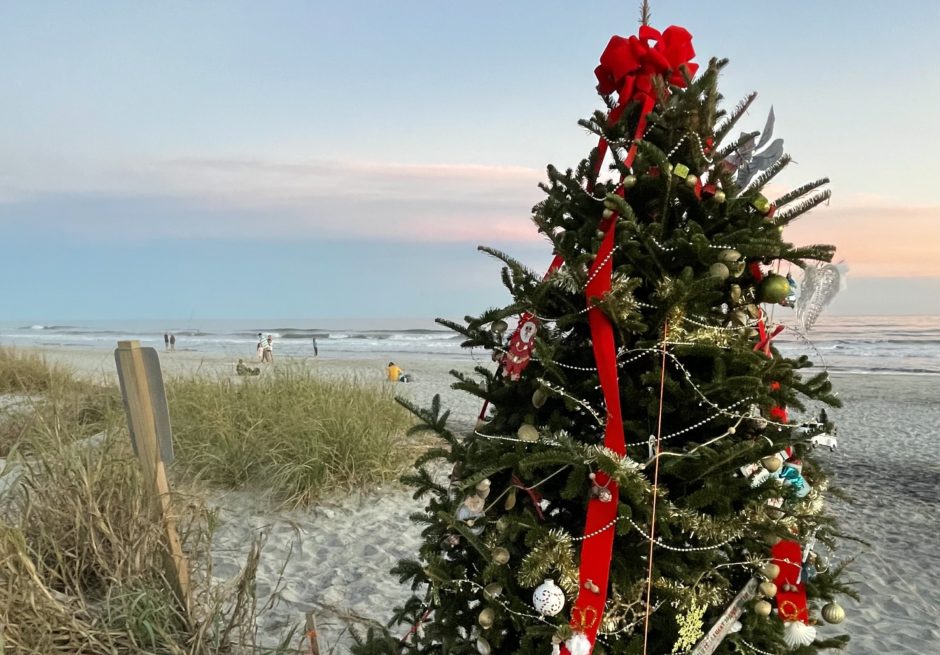
Ghosts of Christmas past stroll down Tradd while a Christmas tree lights up the starry Folly night
Carols heard from Circa to Halls while a musical chorus keeps the market dwellers warm and cozy and feeling right
From the rooftops of Dewberry and Vendue, Santa’s helpers smile with glee
They know there is so much goodness to seen
Soon a Lowcountry sunrise with kiss the ocean bed and restore the light and remind us of what he said
Peace on Earth and Joy to all
For a Charleston Christmas awaits it’s call
As I look to the tree and beyond I see
My beautiful Charleston
The greatest gift I will ever see

Set aside 2 minute to enjoy this stunning drone footage that takes us on a beautiful journey through some of the most scenic parts of Charleston, South Carolina
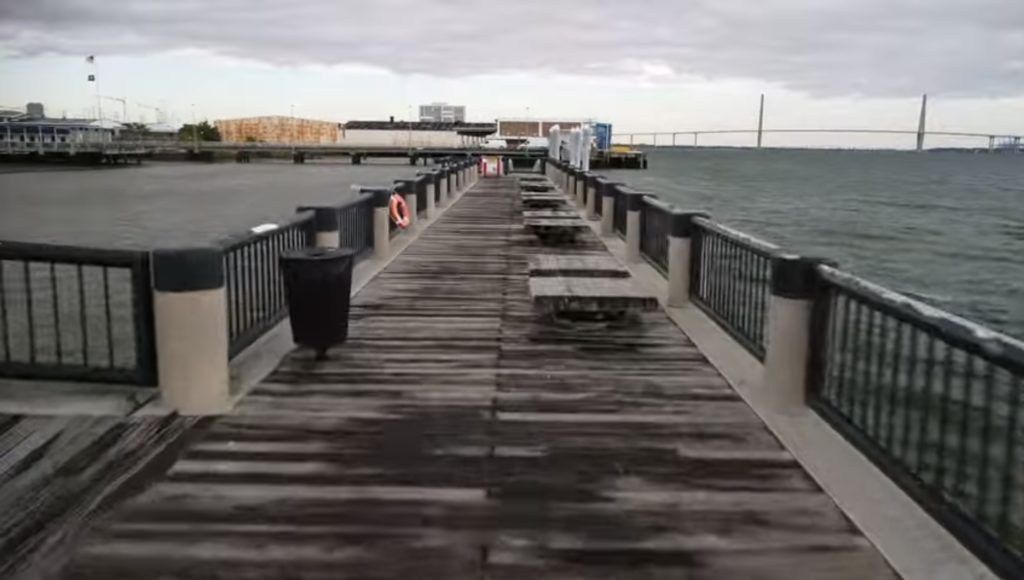
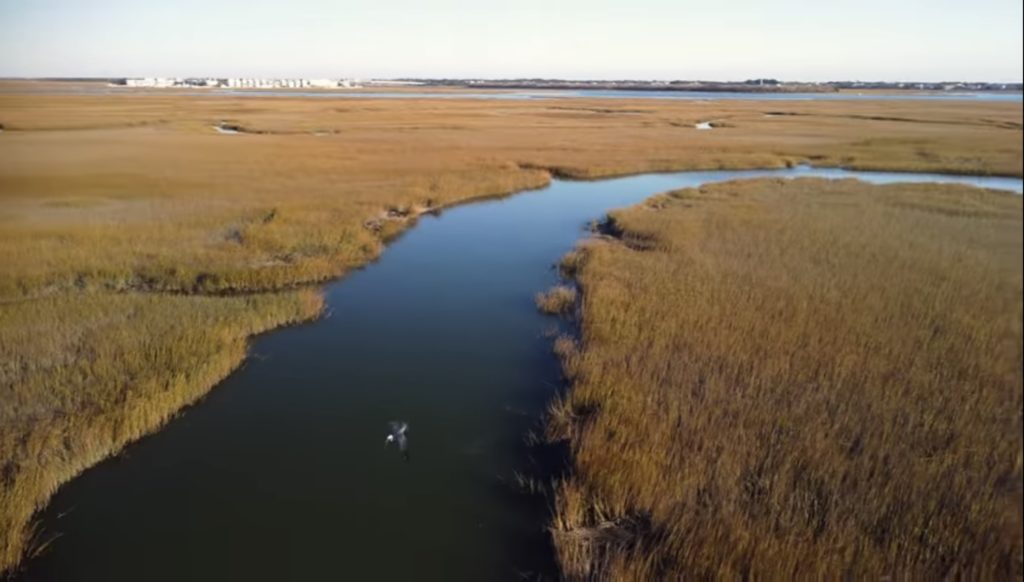
Sit back and enjoy this beautiful look at Charleston with all its rich history and beauty in this new 30 minute travel guide.
The results revealed that California is that state that Americans most want to visit on vacation this winter.
The study by printing experts Printique used Google data to analyze how often terms such as vacation, weekend away, Airbnb and hotel were searched alongside each of the 50 states.
North Dakota came in last place with the lowest combined search score, while states such as Idaho, Kansas and Delaware also ranked near the bottom of the list.

A spokesperson for Printique commented on the findings of the study:
“It’s fascinating to see which states are the most popular for a winter getaway. The data shows that winter sun is the most popular option, with states that can offer some warmth dominating the top of the list. Vacation photo albums have probably been taken down from the shelf much more often since March 2020 as people have reminisced about their amazing trips. This data shows how keen the public are ready to travel and make new memories that will last for a lifetime.”
This study was conducted by Printique which is the go-to source for the highest-quality printing, preserving, and transforming of photographs, offering first class printing and hundreds of creative options.
| Rank | State | Combined number of searches | States searching for it the most over past 30 days (Google Trend score out of 100) |
| 1 | California | 1,061,140.00 | Montana 83, New Mexico 79, Arkansas 59, Iowa 53 |
| 2 | Hawaii | 964,470.00 | Idaho 77, South Dakota 39, Mississippi 37, Oregon 32 |
| 3 | Florida | 957,720.00 | Vermont 100, West Virginia 100, Maine 92, South Carolina 65 |
| 4 | Georgia | 951,110.00 | South Carolina 100, Mississippi 72, Florida 58, Minnesota 56 |
| 5 | New York | 924,000.00 | Nebraska 100, Rhode Island 86, Louisiana 48, Kansas 38 |
| 6 | North Carolina | 906,310.00 | New Jersey 43, Louisiana 37, Wisconsin 26, Ohio 24 |
| 7 | Texas | 872,820.00 | Oklahoma 59, Wisconsin 54, South Carolina 43, Arkansas 42 |
| 8 | Pennsylvania | 863,310.00 | New Jersey 67, New York 16, Virginia 24 |
| 9 | Tennessee | 745,600.00 | Arkansas 72, South Carolina 55, Alabama 40, Mississippi 40 |
| 10 | South Carolina | 712,500.00 | West Virginia 84, Kentucky 31, North Carolina 31, Virginia 25 |
Program Provides $50,000 in Grant Support and Opportunities for Virtual Leadership Training
CHARLESTON – Programs that help address the region’s issues around economic mobility and investing in underserved communities will be able to scale, helping even more people through a multi-year grant from Bank of America. The South Carolina Association for Community Economic Development (SCACED) has been named as the 2021 Bank of America Neighborhood Champion for its work addressing these issues in the Lowcountry and throughout South Carolina.
As part of the program, SCACED will receive $50,000 in grant support and an opportunity for engagement in virtual leadership training delivered by experts in the nonprofit sector on topics like human capital management, increasing financial sustainability and storytelling.
Black small businessowners have been disproportionately impacted by the coronavirus. Bank of America surveyed 300 Black businessowners across the country and found that 48% of Black entrepreneurs retooled their operations in response to the pandemic – double that of the national average. As part of its commitment to economic mobility, Bank of America is both engaging directly with business owners of color to ensure they have access to resources needed to secure funding and partnering with nonprofits like SCACED and The Opportunity Center that aim to help meet the needs of underserved entrepreneurs and minority-owned businesses.
Through the Opportunity Center and with the help of Bank of America’s Neighborhood Champion grant, SCACED will be able to address the resource support gap for minority entrepreneurs through a business incubator program known as the Business Success Center. Housed and offered through the Opportunity Center, the Business Success Center is an entrepreneurial ecosystem builder, expanding support services such as affordable capital and organizational development to minority-owned businesses throughout the Lowcountry.
“As communities continue to recover and navigate a changing landscape, nonprofits are still experiencing significant demands and are in need of resources to help address impacts on marginalized communities and promote economic mobility,” said Mark Munn, president, Bank of America Charleston/Hilton Head. “The South Carolina Association for Community Economic Development helps bridge important gaps for organizations and entrepreneurs to chart a path toward economic opportunity and stability. Programs like Neighborhood Champions help these organizations grow sustainably and strategically for greater positive impact in the community.”
“We are grateful to Bank of America for selecting SCACED to receive this year’s Neighborhood Champion award to support The Opportunity Center and our efforts to uplift minority entrepreneurs,” said Bernie Mazyck, President & CEO of SCACED. “The grant funding will allow SCACED and collaborative partners of The Opportunity Center — Increasing HOPE, Center for Heirs Property Preservation and Homes of Hope — to provide critical technical assistance and training to minority entrepreneurs to help them access vital capital for their businesses. As SCACED enters this critical field of entrepreneurial development, Bank of America will assist us in strengthening our organizational leadership in the areas of financial sustainability, organizational development, and program development, which will help strengthen our organization for the future.”
As part of its commitment to workforce development and economic opportunity, Bank of America also partnered with SCACED earlier this year, providing a $25,000 grant for a first-of-its-kind 3D printer pilot program. The initiative developed new business models for distributed manufacturing in a more inclusive production ecosystem – leveraging 3D printing for economic development and social good. Each participant, called “Explorers,” received a 3D printer and associated materials to set up and safely run their own microfactory in their homes, giving them the ability to create their choice of industrial consumable parts, medical models or lifestyle products, such as shoes or toys. The South Carolina pilot is the first step toward developing a business model for a globally connected network of safe “Make-at-Home” manufacturing that places production close to the point of consumption – and addresses workforce inclusion and sustainability at the outset.
Alongside Charleston/Hilton Head, the bank will bring the Neighborhood Champions program to over 42 additional communities across the U.S. this fall as part of its commitment to investing in the long-term health of communities. The Neighborhood Champions program is invitation-only for nonprofits who are poised to take their work to the next level. Leading members of the community participated in a collaborative selection process to identify this year’s awardee.
The Neighborhood Champions program is an extension of the bank’s signature philanthropic initiative, Neighborhood Builders®, the largest corporate philanthropic investment in nonprofit leadership in the country. Since the program’s inception in 2019, Bank of America has invested $6.3 million in 126 organizations within 42 communities through the Neighborhood Champions program.
Bank of America
At Bank of America, we’re guided by a common purpose to help make financial lives better, through the power of every connection. We’re delivering on this through responsible growth with a focus on our environmental, social and governance (ESG) leadership. ESG is embedded across our eight lines of business and reflects how we help fuel the global economy, build trust and credibility, and represent a company that people want to work for, invest in and do business with. It’s demonstrated in the inclusive and supportive workplace we create for our employees, the responsible products and services we offer our clients, and the impact we make around the world in helping local economies thrive. An important part of this work is forming strong partnerships with nonprofits and advocacy groups, such as community, consumer and environmental organizations, to bring together our collective networks and expertise to achieve greater impact. Learn more at about.bankofamerica.com, and connect with us on Twitter (@BofA_News).
For more Bank of America news, including dividend announcements and other important information, visit the Bank of America newsroom and register for news email alerts.
By Martine Wolfe Miller, MPIO – Mount Pleasant Communications Manager
MOUNT PLEASANT, S.C. (December 6, 2021) – The Mount Pleasant Fire Department has received Accredited Agency status with the Commission on Fire Accreditation International (CFAI) for meeting the criteria established through the CFAI’s voluntary self-assessment and accreditation program.
The Mount Pleasant Fire Department is one of only291 agencies worldwide to achieve Internationally Accredited Agency status with the CFAI and the Center for Public Safety Excellence. The department has maintained accreditation for the past 20 years. It was first accredited in 2001, and has successfully completed its fifth accreditation assessment.
“Our accreditation demonstrates a commitment by the Town of Mount Pleasant to provide the highest quality of service to the community. We use the accreditation process as a proactive tool to plan for the future of our agency through strategic planning and community risk assessment,” said Chief Mixon.
About the Commission on Fire Accreditation International (CFAI)
The CFAI is dedicated to assisting fire and emergency service agencies throughout the world in achieving excellence through self-assessment and constant quality improvement. The accreditation process fosters continuous enhancement of service delivery to the community through a development model that assesses service delivery and performance metrics.
By Martine Miller, MPIO – Town of Mount Pleasant Communications Officer
MOUNT PLEASANT, S.C. (December 7, 2021) –Mount Pleasant Mayor Will Haynie announced that the Town of Mount Pleasant has been certified among BETTER CITIES FOR PETS™ by the Mars Petcare BETTER CITIES FOR PETS™ program. The BETTER CITIES FOR PETS™ certification represents Mount Pleasant’s commitment to pet-friendliness. Mount Pleasant, along with North Charleston and Aiken, is one of the few municipalities selected in South Carolina.
To receive this certification, the Town met a variety of pet-friendliness requirements showing strides taken to become more welcoming to pets in businesses, parks, shelters, and homes. The Town’s strong response related to supporting pet parents in challenging times is key to reducing pet homelessness and keeping people and pets together.
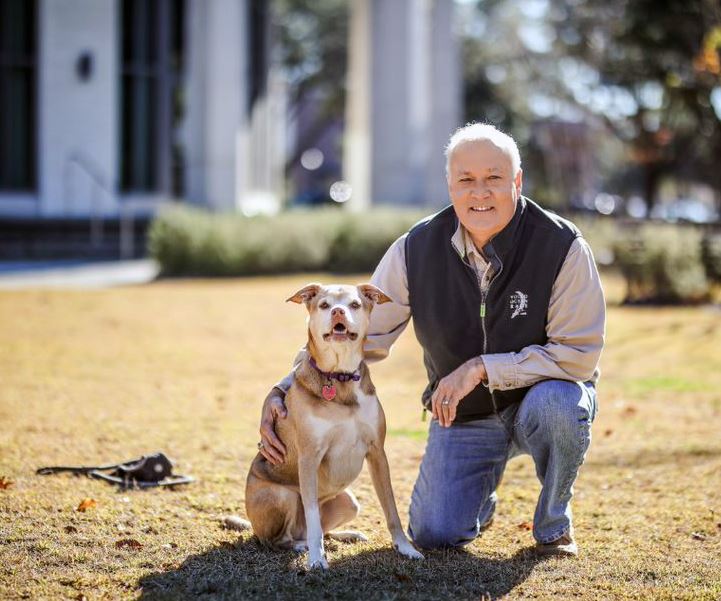
Mayor Haynie has long been a pet lover and recently welcomed a new addition to the family. “This eight-year-old rescue from Palmetto Paws is part Border Collie, Russell Terrier and ‘undomesticated canine’ – possibly coyote,” he said. “Rusty is the most amazing dog our family has had. We always had purebreds until Rusty. His intelligence and intuition are uncanny, and his love for our family is matchless – and the feeling is mutual!”
About Better Cities for Pets Certified Cities
Pets make life happier and healthier. That’s why the BETTER CITIES FOR PETS™ program helps cities make pets as welcome as possible. And now Mars Petcare is certifying the most pet-friendly places to recognize and celebrate all they do for pets and pet owners. These cities have all earned BETTER CITIES FOR PETS™ recognition thanks to the programs and policies they have in place and their commitment to continuing improvement. See how the BETTER CITIES FOR PETS™ program helps cities be more pet-friendly in the 2019 Annual Report. For more information about the certification, click here.
Published on Wednesday, December 8, 2021 by Nicole Cornett, Expansion Solutions Magazine
Funding from SC Ports’ Community Giving Program will support Camp Rise Above’s mission of providing fun, life-changing camp experiences to children with serious illnesses, life challenges and disabilities. (Photo/Provided by Camp Rise Above)
Charleston, SC — South Carolina Ports has awarded $205,000 in grants to 111 community organizations and nonprofits throughout South Carolina as part of its fiscal year 2022 Community Giving Program.
SC Ports dedicates a portion of its revenues each year to support charitable organizations in the communities in which the port operates. Programs with measurable, sustained impacts receive priority during the selection process.
“The SC Ports team believes strongly in supporting the great organizations in South Carolina that work tirelessly to make a meaningful and measurable difference in people’s lives,” SC Ports CEO Jim Newsome said. “At a time of economic hardship for many, SC Ports is proud to play a small role in supporting the important work done by the Community Giving Program grant recipients.”
Many of this year’s grant recipients are dedicated to improving children’s lives through supportive mentoring programs, outdoor and enrichment activities, and confidence-building curricula.
Grant funding will support more than 135,000 children throughout South Carolina with programs like Big Brothers Big Sisters of the Lowcountry, Camp Rise Above, Healing Farms, Orangeburg County Community of Character, The Green Heart Project and Wings for Kids, to name a few.
Grants will also support literacy programs — such as Begin with Books and Reading Partners of South Carolina — benefiting nearly 7,000 students.
SC Ports continues to support organizations dedicated to addressing food insecurity and improving access to healthy foods. Programs such as East Cooper Meals on Wheels, Fresh Future Farm, Greer Community Ministries, Help 4 Kids Florence and Love Feeds will use grant funding to help serve more than 7,000 individuals around the state. SC Ports also recently donated $24,000 to the Lowcountry Food Bank.
Several grant recipients received funds for workforce development initiatives. Greenville Technical College will use the funding to create nine scholarships for its Truck Driver Training Program. Programs such as this create a career path and provide vital job skills for the logistics and maritime industry, which are crucial to the success of port operations.
This year’s grant funding will also support 17 health and wellness programs around the state, impacting more than 10,000 children and adults. Beyond Basic Life Skills, Children’s Cancer Partners of the Carolinas, Greenville Area Parkinson Society, Girls on the Run Charleston, Going Places, Good Neighbor Medical Clinic and Mercy Medicine Free Clinic are among the grant recipients working to improve people’s lives by providing access to health care and wellness programs.
“SC Ports strives to have a positive impact in our communities, as do these 111 incredible grant award recipients,” said Jordi Yarborough, SC Ports’ senior vice president of community engagement. “It is through partnerships with organizations like these that we achieve our shared goal of making a difference in South Carolina.”
Fiscal Year 2022 Community Giving Program grant recipients:Association for the Blind & Visually Impaired SCAudubon South CarolinaBe A MentorBEGIN WITH BOOKSBerkeley Chamber of CommerceBeyond BASIC Life SkillsBeyond Our Walls, Inc. (BOWs)Big Brothers Big Sisters of the LowcountryBridges of HopeCamp DiscoveryCamp Happy DaysCamp Rise AboveCarolina Youth Development CenterCharleston Area Seniors – Meals on Wheels of CharlestonCharleston Gaillard Management CorporationCharleston Habitat for HumanityCharleston Parks ConservancyChildren’s Cancer Partners of the CarolinasClemson ExtensionCoaches 4 CharacterCocky’s Reading ExpressCommunities In Schools of South CarolinaCommunity PrideDee Norton Child Advocacy CenterDillon Community AllianceDillon County Chamber of CommerceDillon County First StepsDillon County Parks and RecreationDillon County United WayDorchester County Economic DevelopmentEast Cooper Community OutreachEast Cooper Meals on WheelsEdisto Island Youth Recreation (EIYR)First Tee – Greater CharlestonFlorence Area Literacy CouncilFlorence Crittenton Programs of SCFresh Future FarmFriends of Coastal South CarolinaFuture Entrepreneurs FoundationGeorgetown County Family YMCAGeorgetown County Historical SocietyGibbes Museum of ArtGirls on the Run Charleston (Coastal South Carolina)Going PlacesGood Neighbor Medical ClinicGreenville Area Parkinson Society (GAPS)Greenville DriveGreenville Tech FoundationGreer Community Ministries, Inc.Greer Development CorporationHabitat for Humanity of Greenville CountyHealing FarmsHeart Of LifeHelp 4 Kids FlorenceHelping and Lending Outreach Support, HALOSHistoric Camden FoundationMUSC Hollings Cancer Center – LOWVELOHospice and Palliative Care FoundationHumanities Foundation Inc.Junior Achievement of Greater SCKids On PointKingdom Restoration Community Development CorporationLatta Revitalization CommissionA Backpack JournalistLions Vision ServicesLove FeedsLowcountry Autism FoundationLowCountry Habitat for HumanityLowcountry Legal VolunteersLowcountry Local FirstLowcountry Maritime SchoolLowcountry Orphan ReliefMeals On Wheels of SummervilleMercy Medicine Free ClinicMingle of the Pee DeeMonroe’s Mighty MissionMother Emanuel Memorial FoundationMultiplying GoodMy Sister’s HouseNaomi ProjectOperation HomeOrangeburg County Community of CharacterPartnership for Tomorrow