by
by 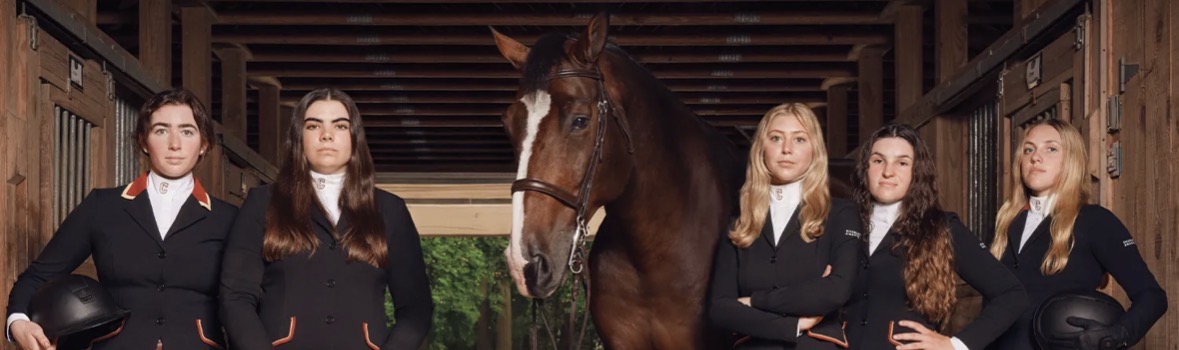
After finishing second in the nation in a new format last season, the equestrian team is on track to win its first national championship.
By Christine Mahoney
THIS YEAR COULD MARK THE FIRST TIME THE College of Charleston wins a national championship in something other than sailing (28 and counting) since 1983, when the men’s basketball team won the NAIA title prior to joining the NCAA. The equestrian team is currently ranked second in the nation in the National Collegiate Equestrian Association.
Last season, after 40 years competing in Intercollegiate Horse Shows Association (IHSA) events, head coach Natasha “Tash” Vitkovic decided to add NCEA meets. The key differences between the two: Elite women riders go head-to-head in NCEA under NCAA guidelines, while the IHSA provides more inclusive, tryout-based meets for both men and women of various skill levels.
In its first-ever NCEA meet, the team defeated No. 1-ranked University of Lynchburg in single discipline, ultimately finishing the season as national runners-up in the NCEA Single Discipline Championship.
Assistant coach Hope King emphasized that the team, with 10 of the 32 members competing in NCEA, would not have had such immediate success without having first been a competitive IHSA team.
“We are all one,” she says. “Our motto last year was, ‘Two formats, one team.’”
Team captain Olivia Welsh was on the IHSA roster for three years before moving over to the NCEA format this season.
“I’m hoping we can pull off the win,” says the senior business administration major from outside Chicago, referring to the national title. “That’d be a really cool way to finish out my journey at the College.”
No matter the season’s outcome, the coaches cultivate a culture of positivity.
“We want the girls leaving here every day feeling like they’ve contributed to something worthwhile,” says King, who likes the momentum they have built from last season. “In the spring, we got into our groove. It was a real confidence boost. We can do this.”
Source: College of Charleston
Stay connected and subscribe to Charleston Daily