 by
by 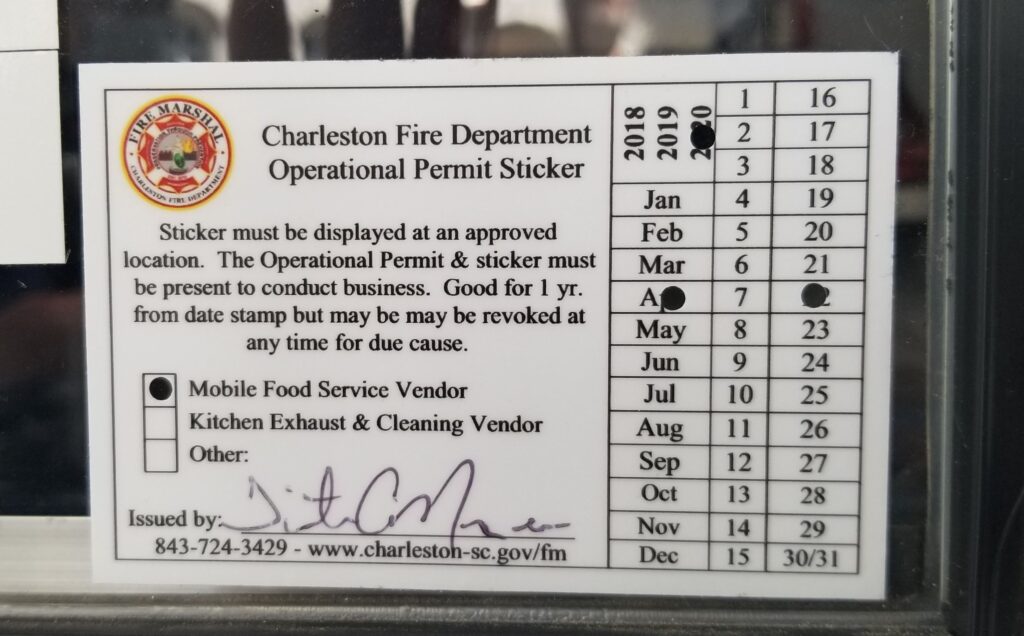
Charleston is moving forward on several business-regulation changes that could significantly affect street vendors, mobile food operators, and short-term rental owners.
Street Vendor Rules Under Review
The most active proposal involves downtown street vendors operating on the Charleston peninsula. During a June 2026 meeting of the city’s Traffic and Transportation Committee, officials discussed revisions to the city’s street-vending ordinance aimed at reducing disputes over prime vending locations.
Key proposed changes include:
- Creating designated vending spaces on peninsula streets.
- Awarding those spaces through an annual competitive bidding process rather than informal occupation.
- Potentially removing some high-traffic intersections, including King & Queen Streets and King & Princess Streets, from the list of approved vending locations.
- Providing vendors with exclusive rights to specific locations for a one-year period if they submit the winning bid.
City officials say the review began after complaints involving conflicts between vendors and repeated calls for police and livability staff to intervene. The proposal is expected to receive additional public discussion and review this summer.
New Business License Subclassifications
The City has also been modernizing its business-license framework by creating more specialized categories and permit requirements for certain business types, including:
- Mobile food vendors.
- Short-term rentals.
- Sidewalk cafés.
- Late-night entertainment venues.
- Home occupations and other specialized operations.
The goal is to better align licensing requirements with the specific impacts and regulatory needs of different businesses rather than treating all businesses under a single licensing structure. The city’s permitting system now routes applicants through specialized reviews depending on the business activity involved.
Strict Enforcement of Short-Term Rentals
Charleston continues to maintain some of the strictest short-term rental regulations in South Carolina.
Current requirements include:
- A valid business license.
- A separate short-term rental permit.
- Annual permit renewals.
- Compliance with zoning and location-specific rules.
- Ongoing enforcement and inspections.
The city categorizes short-term rentals into different permit classes depending on location, including residential categories on the peninsula and in suburban areas, as well as commercial short-term rental districts. Each category carries its own parking, occupancy, and property requirements.
Among the stricter provisions:
- Owner occupancy is generally required for residential short-term rentals.
- Investment properties typically do not qualify for residential STR permits.
- Additional off-street parking is required.
- Permits must be renewed annually.
- Operators must maintain both a permit and business license to legally operate.
The city has dedicated staff focused on STR compliance, and officials have repeatedly emphasized that illegal rentals will not be grandfathered into compliance. Enforcement remains a major priority as Charleston balances tourism with neighborhood livability.
What Happens Next?
The street-vendor proposal is still under discussion and could see revisions before reaching Charleston City Council for a vote. If approved, it would represent the most significant change to downtown vending operations in years by replacing informal location claims with a formal bidding system. Meanwhile, the city’s tighter business-license classifications and aggressive short-term rental enforcement are already being implemented through Charleston’s permitting and regulatory framework.
For Charleston businesses, the overall trend is clear: more specialized licensing categories, clearer operational requirements, and stronger enforcement of existing regulations.
