 by
by 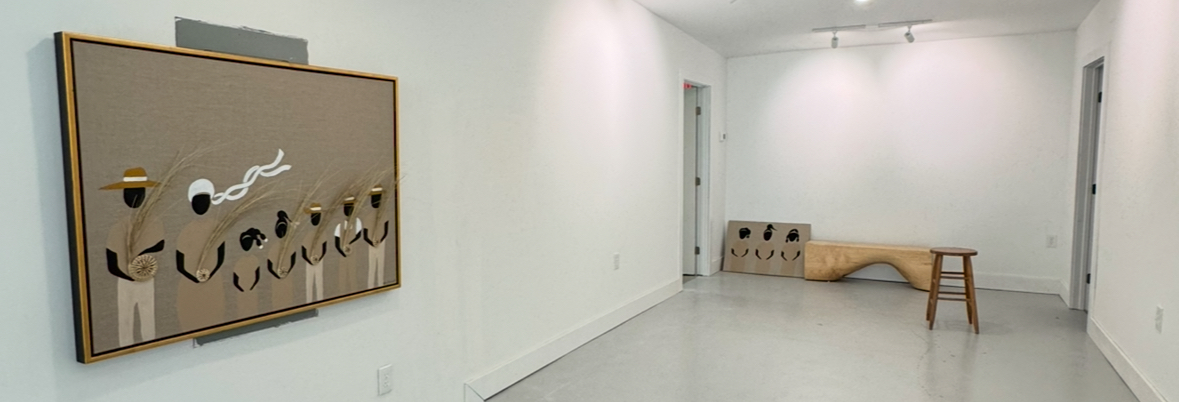
By Mark A. Leon
Charleston’s art scene is entering a transformative new chapter with the opening of Drummond Studio Gallery on the Eastside on the historically rich area of Charleston, a space rooted in passion, purpose, and cultural preservation. More than just an art venue, the gallery represents a pivotal moment in Drummond’s journey as both an artist and storyteller—one that seeks to amplify voices, foster dialogue, and redefine what a gallery can be.
Unlike traditional galleries open daily with static exhibitions, Drummond’s space is modeled after the event-based style of contemporary venues like Hed Hi Studio. It will host curated shows, pop-ups, and community gatherings designed to create meaningful connections rather than transactional encounters. For Drummond, this approach is essential: the gallery is not simply about selling art but about cultivating community, sharing narratives, and ensuring cultural continuity.
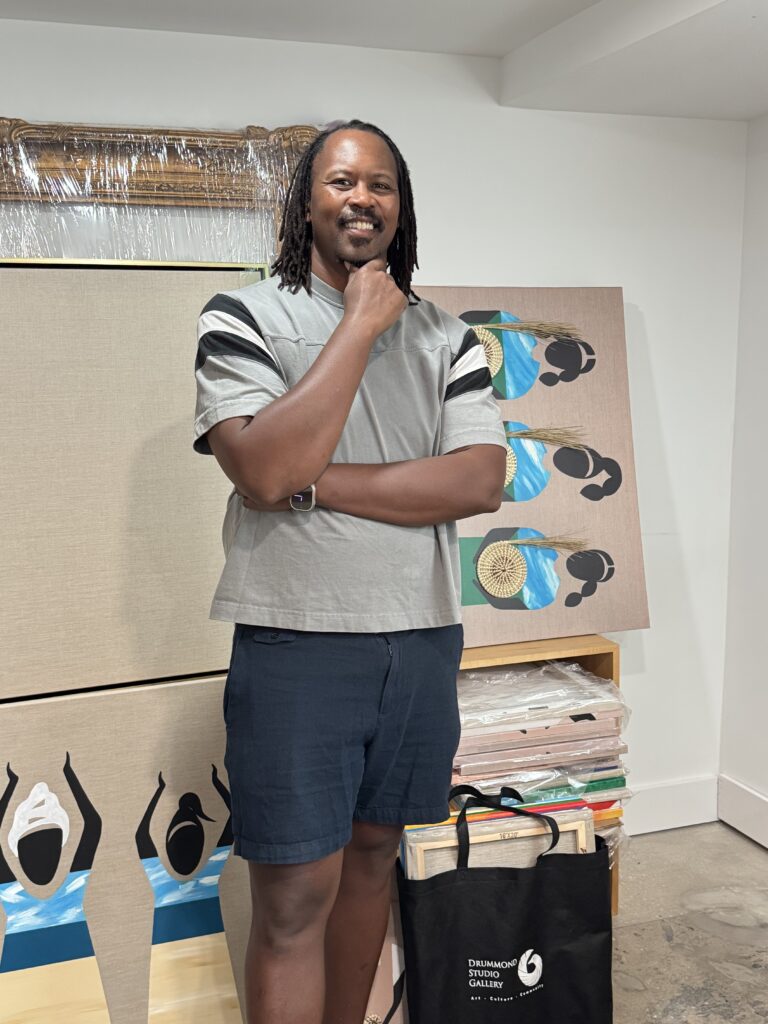
A Mission Rooted in Storytelling
Drummond has always seen art as a vessel for storytelling, and his new gallery takes that even further. “If I didn’t use this platform for storytelling—to educate, uplift, and make sure our story is told fully and in the right way—then what am I really doing?” he said.
This sense of responsibility is not abstract—it’s deeply personal. Drummond’s evolution as an artist has been guided by a desire to preserve memory and heritage. His shift from purely abstract paintings to representational work was sparked by stories his father shared, inspiring him to use his art as a way of capturing cultural experiences before they are lost. That same ethos carries into the gallery, where storytelling will remain at the heart of its mission.
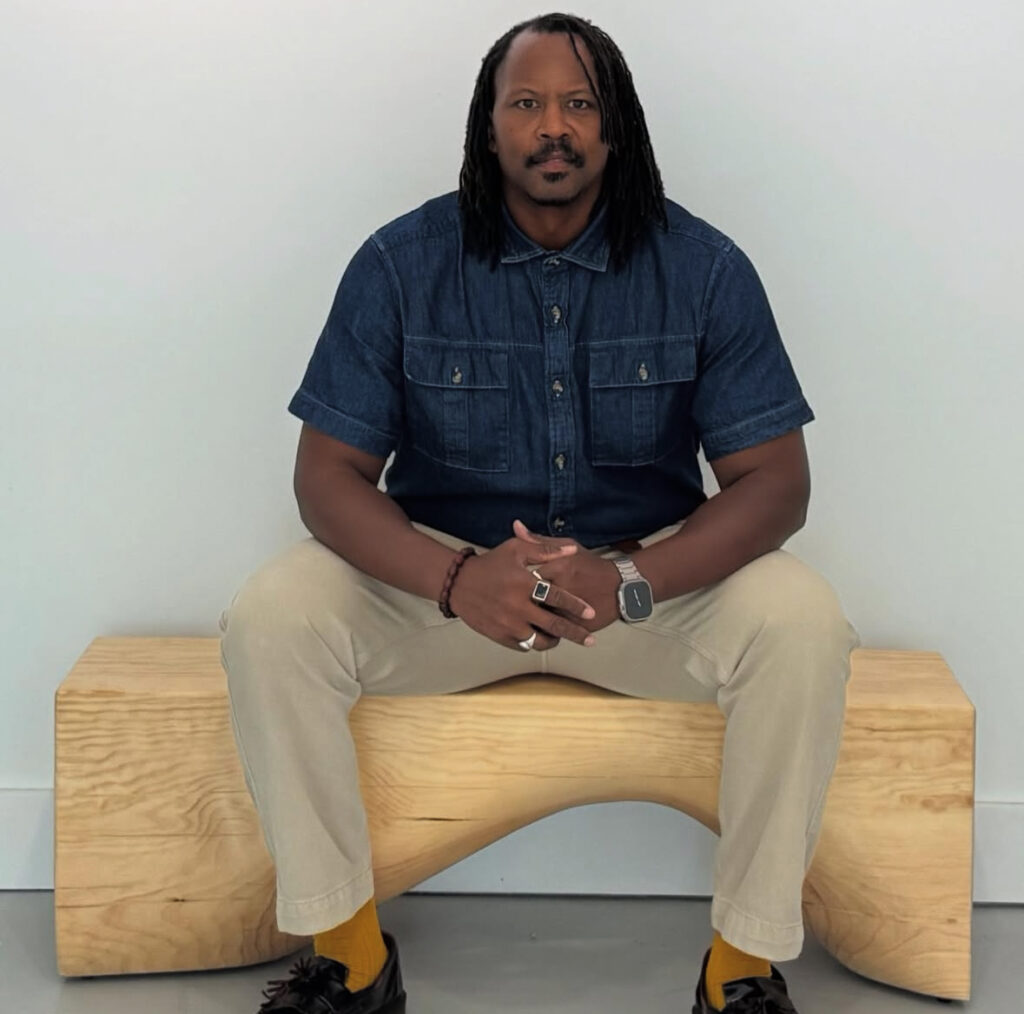
The Right Moment to Expand
After five years of self-employment, steady recognition, and the inclusion of his work in two major Charleston museums (Gibbes Museum and International African American Museum), Drummond felt the timing was right to open this space. His established art practice provides financial stability, allowing him to pursue this venture without the pressure of daily foot traffic or sales quotas.
That freedom makes the gallery rare: it isn’t driven by commercial urgency but shaped by cultural necessity. “I wanted to find studio space for myself, and also space to exhibit the work of other artists and creatives,” Drummond said.
In practice, that means the gallery will serve as his own working studio, a platform for rotating exhibitions, and a collaborative hub where other artists can access space and visibility.
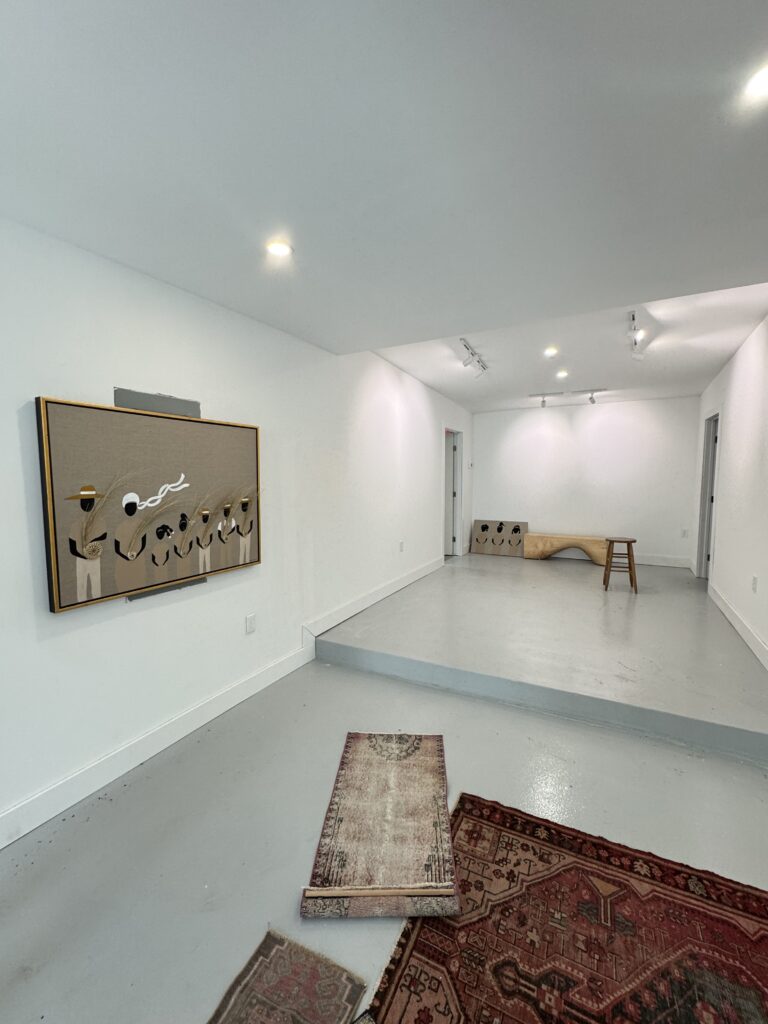
Creating a Seat at the Table
Drummond sees his gallery as part of a larger movement to challenge exclusionary models in the art world. By giving underrepresented voices a platform, he hopes to ensure that Charleston’s cultural history is told with integrity and depth.
In a world where artistic voices are often marginalized, Arun Drummond’s gallery represents a powerful commitment to amplifying emerging artists and their stories. By creating a space that prioritizes community over commerce, Drummond understands that giving artists a seat at the table isn’t just about displaying artwork—it’s about providing a platform for authentic expression, cultural preservation, and meaningful dialogue.
That vision is already visible in his programming. Alongside his own ongoing projects, such as the “Erasure Series”—a body of abstract work that wrestles with themes of cultural disappearance—Drummond plans to collaborate with artists like Demetrius Bing and Corey Alston. By weaving multiple narratives together, the gallery aims to become not just a showcase of art, but a living archive of stories and voices.
Full-Circle Journey
The gallery also marks a return to Drummond’s roots. Before establishing his independent career, he worked at the Chuma Gallery, where his role was to support other artists and help them tell their stories. Now, years later, he sees this new space as an opportunity to carry that mission forward on his own terms. “Now it’s time for me to shift and go back to my roots, of what I did at the Chuma Gallery, which was help others tell their stories… through my own gallery.”
That return is both personal and symbolic: Drummond’s gallery is a continuation of Charleston’s long tradition of cultural spaces serving as protectors of heritage, even as gentrification and development threaten their survival. His work ensures that art is not separated from the community but deeply embedded within it.
A Gallery as Movement
At its core, the gallery is about more than exhibitions or events—it is about creating an ecosystem of belonging. For Charleston’s art community, the space promises to be dynamic, challenging, and deeply intentional.
By combining his own evolving practice with a commitment to collaboration, Drummond is carving out a new model of cultural stewardship. It is one that prioritizes storytelling over sales, representation over recognition, and community over commerce.
For Drummond, the opening is both a culmination and a beginning—a full-circle moment in a career defined by resilience, vision, and passion. But it is also an invitation. This is not just his gallery; it is a space for artists, audiences, and communities to gather, share, and write the next chapter of Charleston’s cultural story together.
In a city known for its layered history and vibrant creativity, Arun Drummond’s gallery is a new canvas—one that reflects not only his journey but the collective spirit of the community it serves.
Follow the journey on Instagram.
Stay connected and subscribe to Charleston Daily.
Photo Credit: Drummond Studio Gallery and Charleston Daily

Overjoyed for the leadership here! Excited to see some of the art work and watch this good spell on the community do its magic!