 by
by 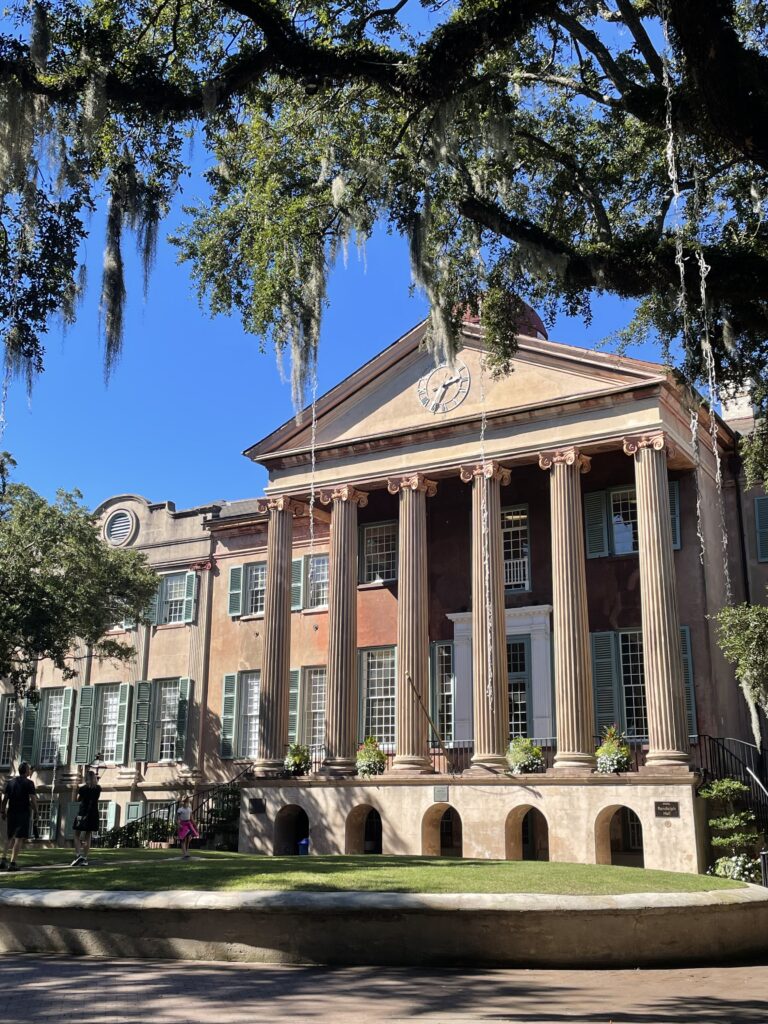
By Mark A. Leon
Charleston has long been called a city of firsts. From culture and commerce to military history and recreation, the Holy City has played a surprising role in shaping American life. Here are some of the most notable “firsts” associated with Charleston, South Carolina.
1. America’s First Opera Building (1736)
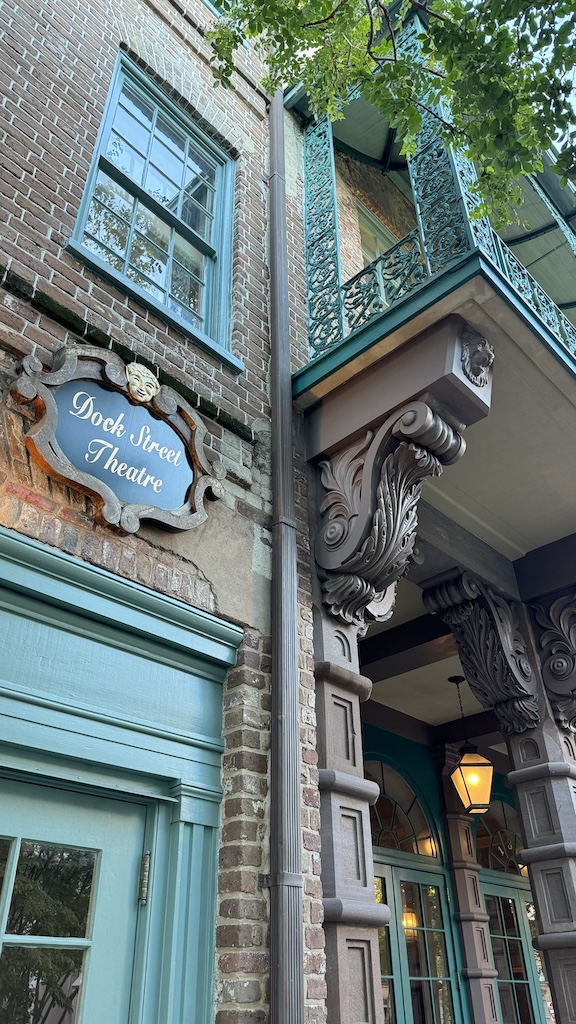
The Dock Street Theatre opened in 1736 as the first building in North America designed exclusively for theatrical performances. Originally called the Dock Street Theatre, it hosted plays, musical performances, and social events. Although the original structure was destroyed by fire, today’s theater stands on the historic site and remains one of Charleston’s most celebrated landmarks.
2. America’s First Public College Museum (1773)
The Charleston Museum was founded in 1773, making it the oldest museum in the United States. Created by the Charleston Library Society, its collections focused on natural history, science, and cultural artifacts from the Lowcountry and beyond.
3. First Municipal College in America (1836)
College of Charleston was founded in 1770, but in 1836 it became the first municipal college in the United States when the City of Charleston assumed responsibility for its operation. The institution remains one of the nation’s oldest colleges.
4. America’s First Memorial Day Observance (May 1, 1865)
Following the end of the Civil War, newly freed African Americans in Charleston organized a ceremony at the former Washington Race Course, where Union soldiers had been buried in a mass grave. Thousands attended a procession, reinterred the soldiers properly, and honored their sacrifice. Many historians consider this the first Memorial Day observance in the United States.
5. First Regular Golf Club in America (1786)
The South Carolina Golf Club was established in Charleston in 1786 and is widely recognized as the first organized golf club in the United States. Scottish merchants and expatriates introduced the game, laying the foundation for what would become one of America’s favorite sports.
6. First Fireproof Building in the United States (1827)
The historic Fireproof Building was completed in 1827 to house public records safely after numerous devastating fires threatened city archives. Designed by noted architect Robert Mills, it became one of America’s earliest purpose-built fire-resistant structures.
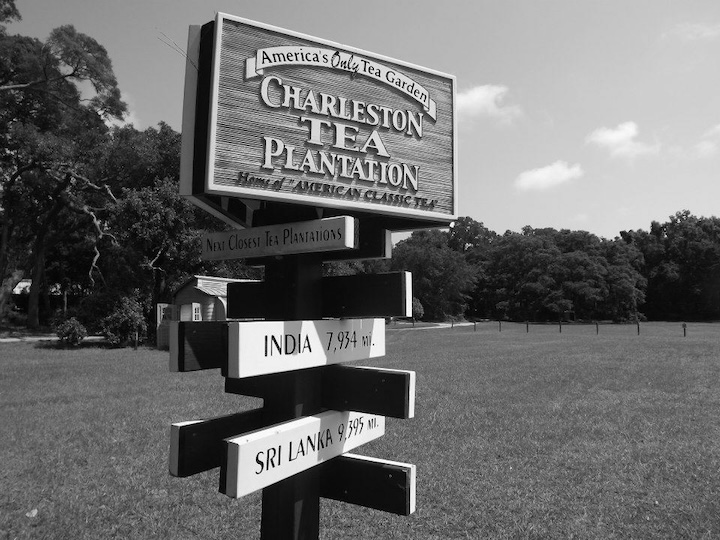
7. America’s First Tea Garden (1888)
Near Charleston on Wadmalaw Island, tea cultivation experiments eventually led to the creation of what became the only large-scale commercial tea plantation in North America. The roots of this effort date to the late 19th century when botanist Dr. Charles Shepard began cultivating tea plants in the region’s climate.
8. First Successful Submarine Attack in History (February 17, 1864)
During the Civil War, the Confederate submarine H.L. Hunley became the first submarine to successfully sink an enemy warship in combat when it attacked the USS Housatonic outside Charleston Harbor. Although the Hunley was lost shortly afterward, the event changed naval warfare forever.
9. America’s First Municipal Liquor Dispensary System (1893)
Under South Carolina Governor Benjamin Tillman, Charleston became part of the state’s unique dispensary system, one of the nation’s first government-controlled liquor sales programs. The experiment was intended to regulate alcohol consumption and reduce corruption in private liquor sales.
10. First Public Library in the South Supported by a Subscription Society (1748)
The Charleston Library Society was founded in 1748 and became one of the earliest and most influential lending libraries in colonial America. It helped establish Charleston as a center of learning and intellectual life.
11. First American Chamber of Commerce (1773)
The Charleston Chamber of Commerce traces its origins to 1773 and is often cited as the oldest continuously operating chamber of commerce in the United States. Merchants organized to advocate for trade and economic development in the growing port city.
12. First Historic Preservation Ordinance in the United States (1931)
Charleston became the first city in America to establish a historic preservation district through a zoning ordinance. The creation of the “Old and Historic District” protected much of downtown Charleston’s architecture and served as a model for preservation efforts nationwide.
13. First Dedicated American Museum Building (1773)
Beyond being the nation’s oldest museum, the Charleston Museum was among the first institutions in America devoted specifically to collecting and preserving natural and cultural history. Its early collections included fossils, Native American artifacts, and scientific specimens gathered from around the world.
14. First Passenger Railroad in South Carolina (1830)
The South Carolina Canal and Rail Road Company launched one of the earliest passenger rail services in the nation. The Charleston-to-Hamburg line eventually became the longest railroad in the world under continuous management at the time, helping establish rail transportation in the United States.
15. First Purpose-Built Military College in America (1842)
The Citadel traces its origins to 1842 and is recognized as one of the nation’s first military colleges. Established to train citizen-soldiers and maintain public security, it evolved into one of America’s premier military institutions.
Why Charleston Became a City of Firsts
Charleston’s prominence as a colonial port city made it one of the wealthiest and most influential cities in North America during the 18th and early 19th centuries. Its deep harbor connected it to Europe, the Caribbean, and other American colonies, allowing new ideas, technologies, and institutions to take root early. The result is a remarkable collection of “firsts” that continue to shape Charleston’s identity nearly 350 years after its founding.
Stay connected and subscribe to Charleston Daily.
