by
by 
By Mark A Leon
The Deep South has always spoken its own language.
Part poetry, part warning, part hospitality and part humor, Southern phrases carry generations of storytelling, survival, faith, grit and community inside just a few words. Many of these sayings were born on front porches, in church pews, around dinner tables and across cotton fields long before they ever appeared online or in pop culture.
To outsiders, some expressions sound charming. Others sound confusing. But to Southerners, these phrases are social currency — coded language capable of delivering kindness, sarcasm, discipline or affection in a single sentence.
Here are some of the most important and enduring phrases from the Deep South and the stories behind them.
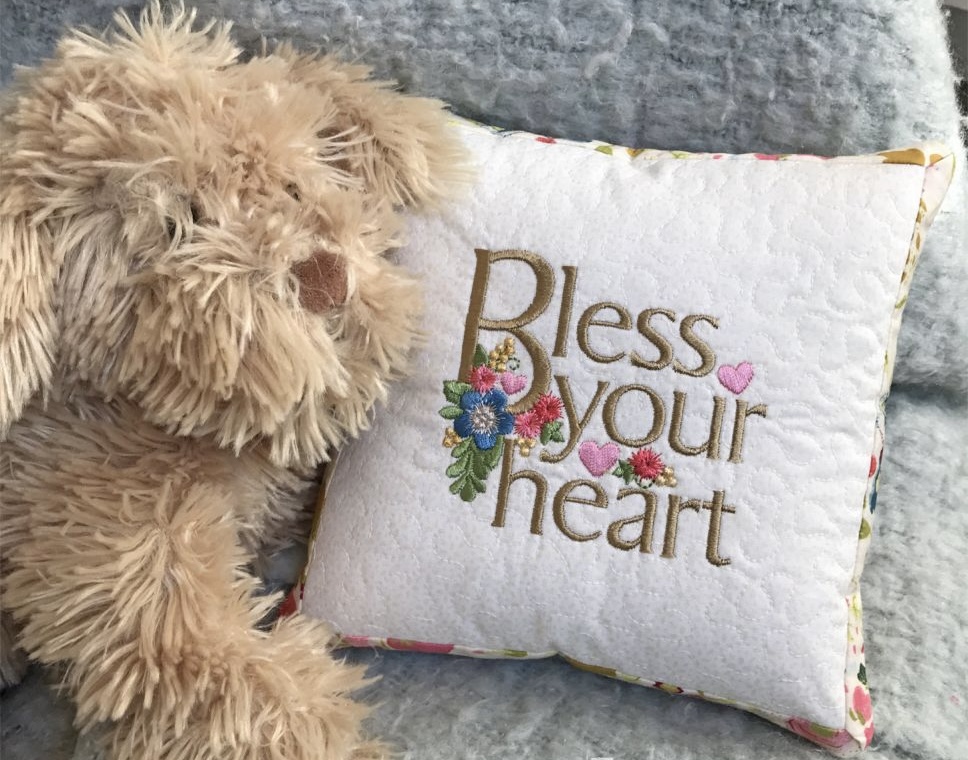
“Bless Your Heart”
Perhaps the most famous Southern phrase of all, “bless your heart” is one of the most misunderstood expressions in America.
While it can absolutely be sincere — often used after hearing bad news or expressing sympathy — it also became a socially acceptable Southern way to criticize someone without direct confrontation.
In a culture where manners and politeness mattered deeply, “bless your heart” evolved into linguistic camouflage. Instead of openly insulting someone, Southerners could soften judgment with a phrase that sounded compassionate.
Examples:
- “He tried to fix the roof himself… bless his heart.”
- “She means well, bless her heart.”
The phrase likely traces back to 19th century Christian traditions throughout the South, where offering blessings during hardship was common in churches and family life.
Today, it remains one of the defining phrases of Southern identity.
“Don’t Be Ugly”
In most parts of the country, “ugly” describes appearance. In the Deep South, it often describes behavior.
“Don’t be ugly” means:
- Don’t be rude.
- Don’t be hateful.
- Don’t embarrass yourself.
- Don’t lose your manners.
Parents and grandparents across the South have used the phrase for generations to correct behavior without escalating conflict. The expression reflects how Southern culture historically valued public politeness and emotional restraint.
A child arguing at the dinner table?
“Don’t be ugly.”
An adult acting bitter or spiteful?
“They’ve been acting ugly lately.”
The phrase became especially common throughout rural communities where reputation and social harmony carried enormous weight.
“Y’all”
No Southern phrase is more iconic — or more efficient — than “y’all.”
A contraction of “you all,” the phrase emerged in the American South during the 19th century and became a linguistic hallmark of the region. Scholars believe its popularity grew from a blend of Scots-Irish dialects, African American vernacular traditions and frontier practicality.
Unlike the Northern “you guys,” “y’all” is warm, inclusive and versatile.
Examples:
- “How are y’all doing?”
- “Are y’all coming over later?”
In recent years, the phrase has spread far beyond the South because it is gender-neutral, conversational and remarkably useful.
“Fixing To”
If someone in the Deep South says they are “fixing to” do something, they mean they are about to do it.
Examples:
- “I’m fixing to head home.”
- “We’re fixing to eat.”
The phrase likely evolved from older English expressions tied to preparing or arranging for action. Over time, Southerners shortened the idea into a uniquely regional verbal shortcut.
It captures one of the defining rhythms of Southern speech — slower, softer and often more narrative than direct.
“Madder Than a Wet Hen”
This colorful Southern expression describes someone who is furious.
The phrase comes from farm life. Hens notoriously dislike getting wet and become visibly agitated when soaked in rain or water.
Agricultural roots shaped much of Southern language, especially in rural communities where everyday observations became metaphors for human behavior.
“That Dog Won’t Hunt”
This phrase means something will not work, succeed or make sense.
Examples:
- “That excuse won’t work around here.”
- “That dog won’t hunt.”
The expression comes directly from hunting culture throughout the rural South, where an ineffective hunting dog had little practical value.
Like many Southern sayings, it turned rural experience into broader life wisdom.
“Over Yonder”
In the South, directions are often emotional rather than geographical.
“Over yonder” means somewhere nearby but not precisely specified.
Examples:
- “The store is over yonder.”
- “Go past the church and it’s over yonder by the oak tree.”
The phrase reflects older rural communities where landmarks mattered more than street names or GPS coordinates.
“Hissy Fit”
A “hissy fit” describes an emotional outburst, tantrum or dramatic overreaction.
The term likely evolved from the word “hysteria,” gradually softened into Southern slang over generations.
Examples:
- “She threw a hissy fit.”
- “Don’t have a hissy fit over it.”
The phrase remains deeply woven into Southern family culture and humor.
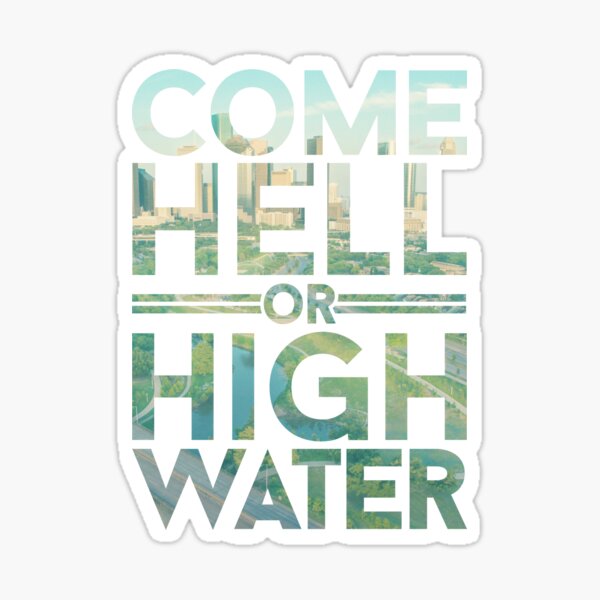
“Come Hell or High Water”
This expression means someone is determined to accomplish something regardless of obstacles.
The phrase became common throughout flood-prone Southern and Appalachian regions where rising rivers could literally isolate towns and farms.
Examples:
- “We’re getting there come hell or high water.”
It reflects the resilience that shaped much of Southern history.
“If the Creek Don’t Rise”
Often added to future plans, this phrase means “unless something unexpected happens.”
Examples:
- “We’ll see y’all Sunday if the creek don’t rise.”
The saying originated in isolated rural communities where heavy rain and flooding could genuinely prevent travel.
Long before modern infrastructure, swollen creeks could completely cut off roads and communities.
The Language of the South
Southern phrases endure because they do more than communicate. They preserve identity.
They carry echoes of church sermons, family kitchens, front porch conversations, farming communities and generations of oral storytelling. Many of these sayings emerged from hardship, humor, religion, hospitality and survival.
Even today, the Deep South continues to speak with a rhythm and vocabulary unlike anywhere else in America.
And sometimes, a simple “bless your heart” can still mean absolutely everything — or absolutely nothing at all.
Stay connected and subscribe to Charleston Daily.