 by
by 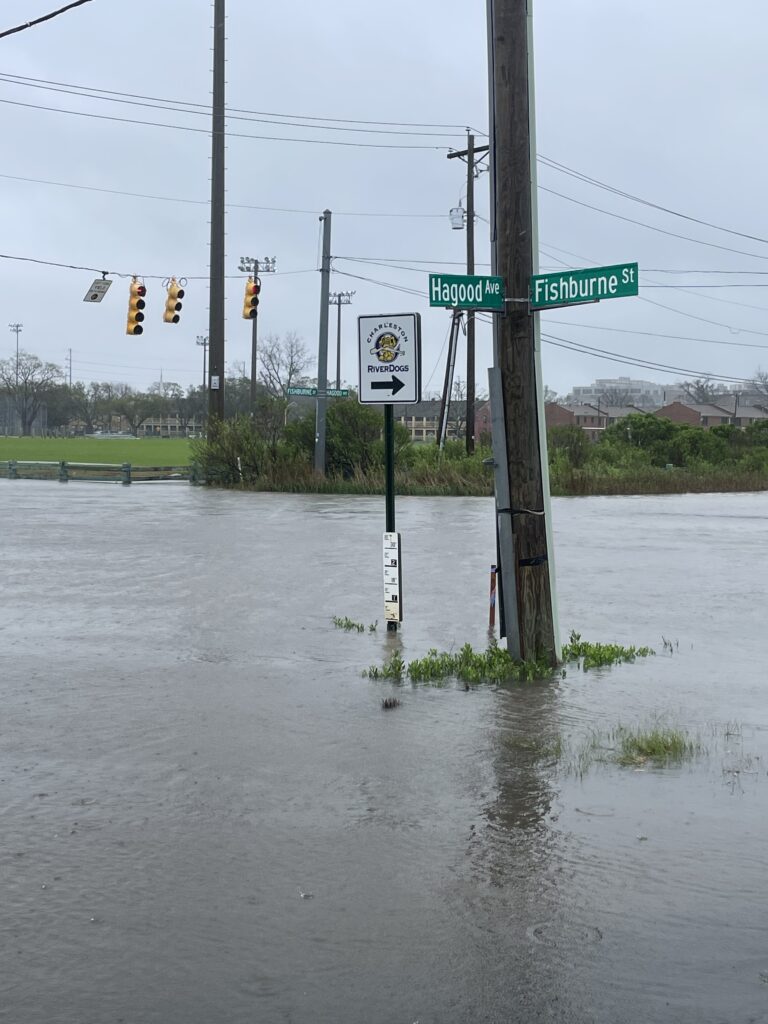
For decades, Charleston has been marketed as a Southern dream. Travel magazines celebrate its historic streets, award-winning restaurants, pristine beaches, and easygoing coastal lifestyle. Thousands of newcomers arrive every year chasing visions of sunset walks along the harbor and weekends spent on the water.
Yet life in the Lowcountry isn’t always as idyllic as the brochures suggest.
Charleston remains one of America’s most beautiful places, but beauty often comes with trade-offs. Before making the move, it’s worth considering the challenges many longtime residents face every day.
1. Traffic Has Become a Daily Frustration
Ask longtime residents what has changed the most over the past twenty years and many will give the same answer: traffic.
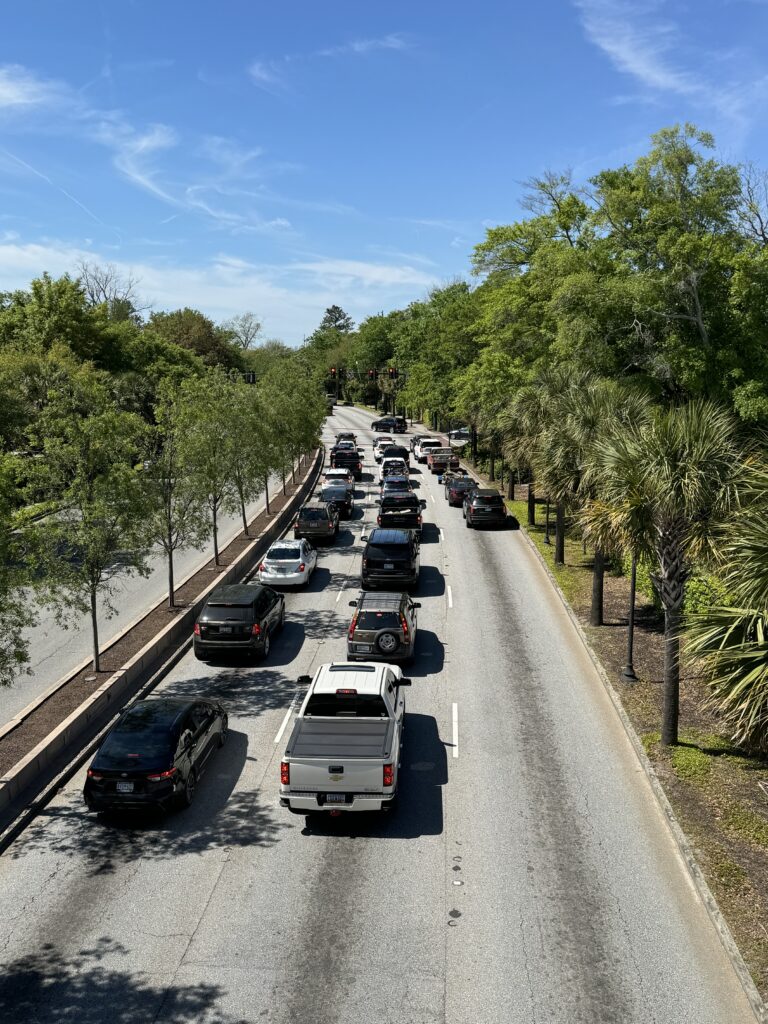
Major corridors such as I-26, Highway 17, Savannah Highway, Main Road, and Clements Ferry Road routinely experience congestion that can turn short trips into lengthy commutes. Population growth has dramatically increased the number of vehicles on roads that were never designed for today’s demand. (charlestonhousingnews.com)
2. Infrastructure Is Struggling to Keep Up
Roads, bridges, drainage systems, schools, and utilities have all been strained by rapid growth. Critics argue that development has often outpaced infrastructure investments, creating bottlenecks throughout the region. (Historic Charleston Foundation)
3. Housing Costs Have Skyrocketed
The days of Charleston being an affordable coastal city are largely gone.
Home prices have risen dramatically over the past decade, making homeownership increasingly difficult for many working families. Some neighborhoods that were once attainable are now priced beyond the reach of teachers, firefighters, hospitality workers, and young professionals. (Charleston SC)
4. Rent Isn’t Much Better
Even renters are feeling the squeeze. Apartment rents have climbed steadily throughout the region, forcing many residents farther from the peninsula and major employment centers. The result is often a longer commute and higher transportation costs. (Reddit)
5. Local Wages Often Don’t Match Living Costs
Charleston’s economy is fueled by tourism, hospitality, retail, and service industries. While the region has added higher-paying jobs in manufacturing and technology, many residents still find local wages lagging behind housing and living expenses. City housing analyses have identified the mismatch between wages and housing costs as a major challenge. (Charleston SC)
6. Flooding Is a Reality
Charleston’s geography is both its greatest asset and one of its biggest vulnerabilities.
Heavy rain, king tides, and storm surges can leave roads underwater, even outside of hurricane season. In some areas, flooding has become a regular inconvenience rather than a rare event. (The Wall Street Journal)
7. Hurricane Season Brings Annual Anxiety
Living on the coast means living with the possibility of tropical storms and hurricanes. Evacuation plans, emergency supplies, and weather monitoring become part of everyday life from June through November.
8. Insurance Costs Continue to Rise
Flood insurance, wind coverage, and homeowners insurance can add significant expenses to an already costly housing market. Coastal living often comes with premiums that surprise newcomers.
9. The Humidity Can Be Brutal
Charleston summers aren’t simply hot—they’re intensely humid.
From June through September, stepping outside can feel like walking into a steam room. Temperatures in the 90s combined with high humidity frequently push heat indexes well above 100 degrees.
10. Mosquitoes Love the Lowcountry
Marshes, tidal creeks, ponds, and wetlands create ideal breeding grounds for mosquitoes. Outdoor gatherings often require bug spray, citronella candles, or strategic timing.
11. Palmetto Bugs Are Practically Residents
Newcomers quickly learn that “palmetto bug” is often a more polite name for a very large flying cockroach.
Even immaculate homes encounter them from time to time. It’s simply part of living in a warm, humid coastal environment.
12. Tourist Season Never Really Ends
Millions of visitors come to Charleston every year. While tourism fuels the economy, it also means crowded sidewalks, packed restaurants, limited parking, and long waits during peak seasons.
For residents, navigating downtown can sometimes feel like living in a permanent vacation destination.
13. Public Transportation Is Limited
Unlike larger metropolitan areas, Charleston offers few alternatives to driving. Most residents rely heavily on personal vehicles, making traffic congestion even more pronounced.
14. Commutes Keep Getting Longer
As housing becomes more expensive closer to downtown, many workers have moved to Summerville, Moncks Corner, Goose Creek, and other outer communities. That affordability often comes at the cost of spending hours each week in traffic. (charlestonhousingnews.com)
15. The Character of the Region Is Changing
Growth brings opportunity, but it also changes communities.
Many longtime residents worry that the Lowcountry’s historic charm, local culture, and slower pace are being replaced by sprawling development and increasing congestion. The debate over growth versus preservation has become one of the defining issues facing the region.
Paradise With Fine Print
None of this means Charleston isn’t a wonderful place to live. For many people, the beaches, history, food, natural beauty, and year-round outdoor lifestyle easily outweigh the drawbacks.
But moving to the Lowcountry should be a decision based on reality, not postcards.
Charleston can be magical. It can also be expensive, crowded, humid, flood-prone, and frustratingly congested.
The truth is that the Charleston Lowcountry isn’t for everyone—and knowing that before you move may be the smartest relocation decision you make.
Stay connected and subscribe to Charleston Daily.
Photo Credit: Charleston Daily.
