Lily Pad Celebrates Largest Project to Date, Unveiling Six Trauma-Informed Spaces at Charleston County DSS

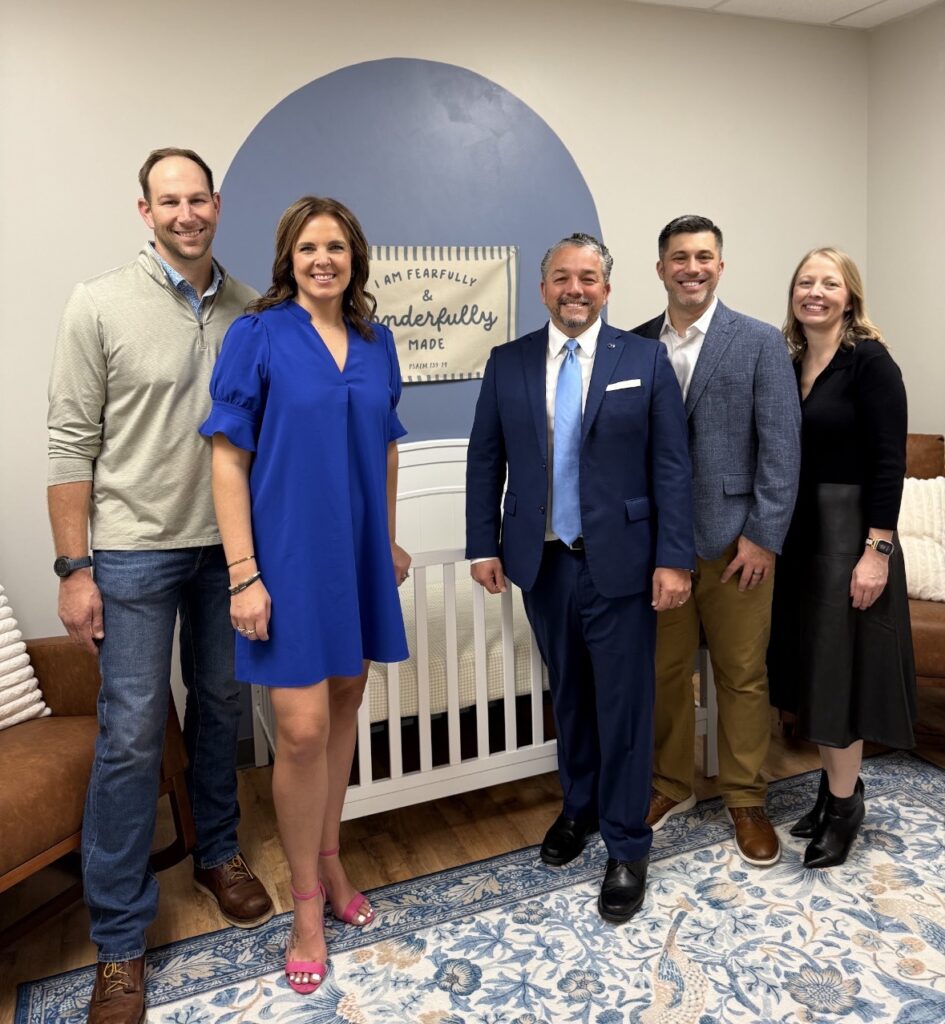
DSS State Director Tony Catone joins Lily Pad, community partners, and volunteers to celebrate a public-private partnership serving children in foster care

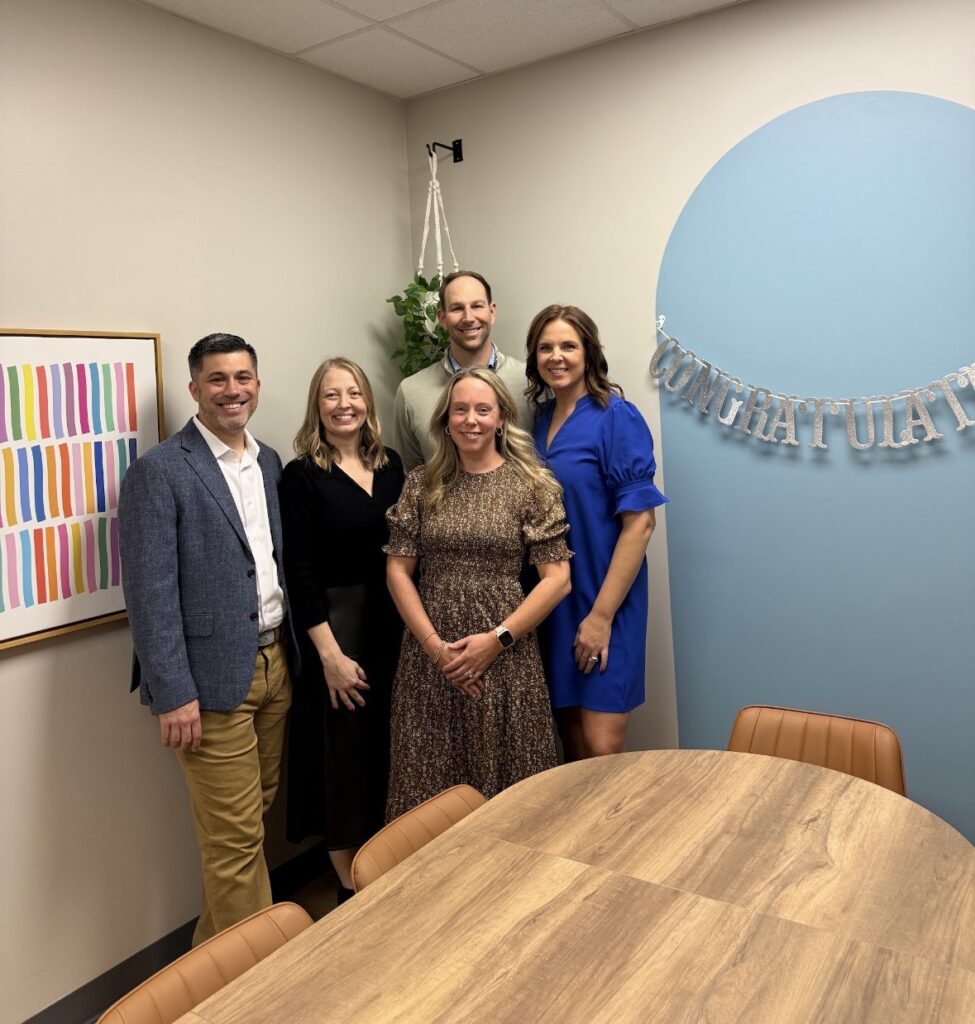
CHARLESTON, S.C. – Lily Pad: A Soft Place to Land, a nonprofit creating trauma-informed, welcoming spaces for children, victims of trauma and others experiencing crisis, celebrated its largest project to date: opening six new trauma-informed rooms at the Charleston County Department of Social Services (DSS). DSS State Director Tony Catone joined Lily Pad leaders, community partners, and volunteers for the ribbon cutting.

Rather than a single Lily Pad room, the Charleston County project transformed six distinct spaces within one DSS office, each designed around the developmental, emotional and practical needs of the children who will use them. The six spaces include an infant room, toddler room, elementary room, teen room, dining and celebration room, and a signature Lily Pad room, each designed for the ages and needs of the children it serves. Features range from a LEGO DUPLO wall in the toddler room to LEGO walls and age-appropriate activities for older children, along with soft lighting, weighted blankets, sensory toys, comfortable furnishings and sleeping accommodations. A previously donated College of Charleston jersey was also incorporated to preserve the space’s connection to the local community.

“Children entering foster care aren’t all the same age, and they don’t all have the same needs. A teenager needs something different than a toddler, and a sibling group needs something different than an infant,” said Jennifer Tice, co-founder and executive director of Lily Pad. “With Charleston, we had the opportunity to create six distinct spaces that recognize those differences while communicating the same message to every child who walks through the doors: You matter, and you are worthy of being cared for.”

The infant room, with a crib, two rocking chairs, a changing table and a fold-out bed, reflects the real needs of families in crisis. At Lily Pad’s recent inaugural gala, DSS caseworker Charlsey Maner shared the story of a young mother facing homelessness who, exhausted and considering surrendering her newborn, found a place in a Lily Pad to rock her baby to sleep and rest while DSS staff worked to secure shelter. Stories like hers shape Lily Pad’s trauma-informed approach to caring for both children and the adults supporting them.

The transformation began well before Lily Pad’s installation team arrived. Charleston County maintenance staff worked alongside the nonprofit to prepare all six spaces. Led by Brandon Comps, a Trades Technician 2 with Charleston County Government, the team coordinated material deliveries, painted every room, installed additional electrical outlets and replaced carpet tiles with durable luxury vinyl plank flooring that will be easier to maintain for the children who use the spaces.

“To everyone who contributed: thank you. Your work brings hope and comfort at moments when children need it most. And to our community—I encourage you to continue supporting Lily Pad’s mission as they expand these efforts statewide” said Tony Catone, state director of the South Carolina Department of Social Services.

The project was made possible through financial contributions from Darrel and Alicia Jackson Foundation and Modern Woodmen of America, donated materials from Sherwin-Williams, which provided 20 gallons of paint, and hands-on help from volunteers across the Carolinas. Volunteers from City Life Church helped prepare for the installation, and Modern Woodmen of America volunteers traveled from North Carolina and across South Carolina to help install the spaces.

“The Lily Pad story is one of huge self-sacrifice for others. What a fantastic mission and people,” said Keith Mays, regional director at Modern Woodmen of America. “We at Modern Woodmen of America are grateful for the opportunity to partner with them and help support such a great vision. It’s amazing what happens when organizations’ values align.”
The Charleston County spaces continue Lily Pad’s growth across South Carolina, following recent openings at the Sumter, Calhoun and Williamsburg County DSS offices. With only a handful of counties remaining, Lily Pad is on track to reach its goal of ensuring every DSS county office in South Carolina has a trauma-informed Lily Pad by the end of 2027, which would make South Carolina the first state in the nation to reach that milestone.

Additional Details About Lily Pad

When a child enters foster care or experiences a placement change, they may spend hours waiting in a child welfare office until their next placement is ready. Lily Pad creates trauma-informed, living room-like settings where children and others experiencing crisis can rest, play, do homework and regain a sense of calm during one of the hardest days of their lives.

Lily Pad works one space at a time in partnership with local agencies, volunteers, and donors who help fund and furnish each environment. Beyond installation, the organization remains engaged through a network of volunteers who help clean, refresh and maintain each space so it stays welcoming and ready for every child who walks through the door.

Since 2022, Lily Pad has installed more than 90 trauma-informed rooms in 49 child welfare and law enforcement offices across South Carolina and Michigan. The organization has also broadened its mission through partnerships with law enforcement, including its first trauma-informed space within the Spartanburg County Sheriff’s Office Special Victims Unit.

Why This Matters

The environments people encounter during moments of crisis shape how they experience those moments and what comes next. For children entering foster care and others facing trauma, a space designed for comfort and dignity can help reduce stress and begin to restore calm. Rooted in faith, Lily Pad’s mission is grounded in the belief that every person is inherently valuable and deserving of dignity, safety and care, especially in moments of uncertainty.

Did you know? There are approximately 3,400 children in foster care in South Carolina. Supporting Lily Pad’s work helps ensure more children encounter safe and healing environments when they need them most.

About Lily Pad: A Soft Place to Land

Lily Pad: A Soft Place to Land works to create safe, welcoming, trauma-informed spaces with supportive resources for individuals experiencing crisis. Founded in 2022, Lily Pad has created more than 90 thoughtfully designed child welfare and law enforcement locations across South Carolina and Michigan and continues toward its goal of expanding into child welfare offices statewide and beyond. Lily Pad restores dignity, safety and comfort during moments of crisis. Learn more or get involved at LilyPadInc.org.


VITREUS USA selects Newberry County (South Carolina) for first North American operation

$800,000 investment will create 15 new jobs

COLUMBIA, S.C. – VITREUS USA, a ceramics coating manufacturer, today announced it selects Newberry County for its first North American operation. The company’s $800,000 investment will create 15 new jobs.

 VITREUS USA is a subsidiary of VITREUS GmbH, a German company that produces engobes, glazes and granulates for the heavy ceramics industry, as well as raw materials including manganese oxide, iron oxide, glass and color pigments.

At its new production facility, located at 200 Park Ave. in Newberry, VITREUS USA develops, manufactures and supplies ceramic surface-finishing products for the brick and roof tile industry. VITREUS USA’s core products are used to provide colored and decorative surface finishes to facing bricks and clay roof tiles.

Operations have started, and the company is currently in a testing and ramp-up phase. Individuals interested in joining the VITREUS USA team should contact the company (jgrothe@vitreus.com.de).

QUOTES

”Building on several years of successfully supplying the North American market from Germany, VITREUS is responding to strong growth in customers and order volume by establishing local production in the United States. With our new production facility in Newberry, we can serve our customers faster and more flexibly, backed by the expertise of our European team. We thank the state of South Carolina, Newberry County and our local partners for their outstanding support.“ -VITREUS USA CEO Joachim Grothe

“VITREUS USA’s new manufacturing facility in Newberry County is a testament to South Carolina’s global reputation as a business-friendly state. We congratulate the company on its investment and celebrate the addition of 15 new jobs in the Palmetto State.” -Gov. Henry McMaster

“We are excited to welcome VITREUS USA to South Carolina. The company’s decision to invest in Newberry County and partner with S.C. Commerce’s Landing Pad Program reflect the business-friendly environment found here in our state.” -Secretary of Commerce Harry M. Lightsey III

“VITREUS USA’s manufacturing expansion to Newberry County builds on South Carolina’s strong foothold in advanced manufacturing, and it benefits from the competitive edge that SC Ports provides to companies throughout the entire state. SC Ports looks forward to continuing to support VITREUS USA’s supply chain needs with connectivity to global markets and highly productive port service.” -SC Ports President and CEO Micah Mallace

“Newberry County is proud to welcome VITREUS USA as the company establishes its first North American facility in our community. In addition to bringing higher-paying jobs to the county, VITREUS USA will put a vacant building in our industrial park back into use. On behalf of Newberry County Council, I thank VITREUS for choosing Newberry County, and we look forward to working together for many years to come.” -Newberry County Council Chairman Karl Sease

FIVE FAST FACTS

  • VITREUS USA selects Newberry County for its first North American operation.
  • The company’s $800,000 investment will create 15 new jobs.
  • VITREUS USA is a ceramics coating manufacturer.
  • The company is located at 200 Park Ave. in Newberry, S.C.
  • Individuals interested in joining the VITREUS USA team should contact the company (jgrothe@vitreus.com.de).

Stay connected and subscribe to Charleston Daily.

Alteño by Chef Johnny Curiel Opens in Charleston, South Carolina

The rhythm of Mexico’s Jaliscan Highlands comes to life through a cevichería, live-fire cooking, and campestre tradition

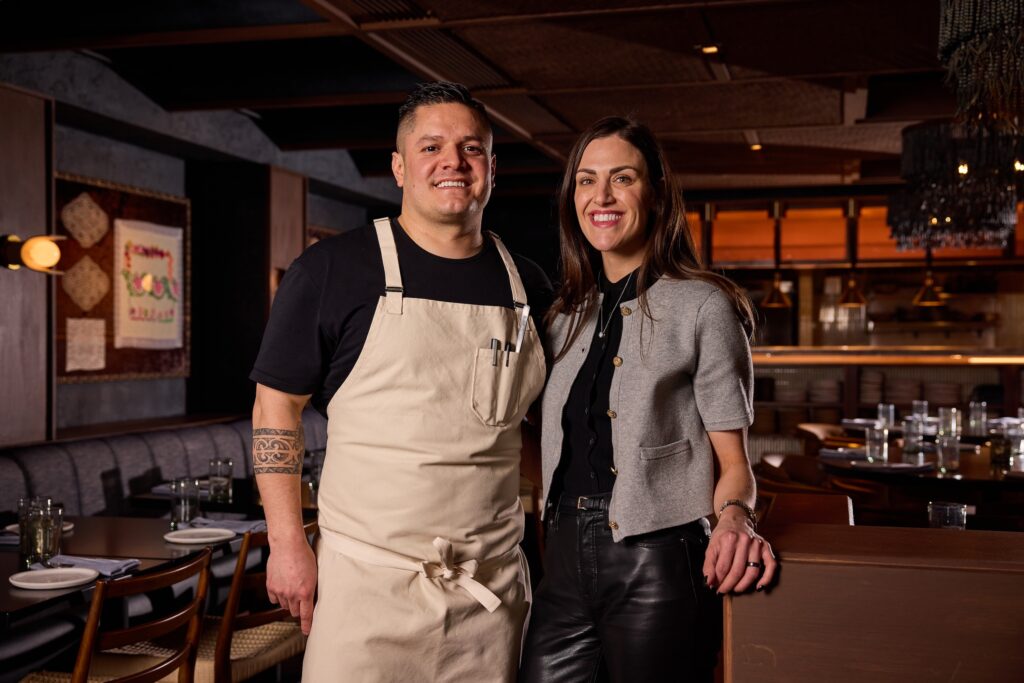
CHARLESTON, SC, November 12, 2026 — Chef Johnny Curiel and his partner Kasie Curiel, founders of Fonda Fina Hospitality, are proud to debut Alteño this fall, expanding beyond its Michelin Recommended Denver flagship. Located on the ground floor of The Charlee on Cannon (89 Cannon St), Alteño brings the bold, fire-kissed flavors of Mexico’s Jaliscan Highlands to Charleston through Chef Johnny Curiel’s heritage-driven approach to cooking and storytelling. The team behind Fonda Fina Hospitality is proud to have three concepts with Michelin Stars: Alma Fonda Fina, Mezcaleria Alma, and Milpero.

Alteño honors the culinary traditions passed down by Curiel’s father, a revered chef and restaurateur known as the original Alteño, or “highlander” in the region. His spirit is woven into the campestre-style restaurant, where Mexico’s cevichería traditions find a natural home in Charleston, rooted in a shared reverence for the sea, exceptional seafood, and the integrity of coastal ingredients. At the heart of the restaurant, an expansive hearth and wood-fired grill celebrate the centuries-old tradition of cooking over open fire in Mexico.

“We’ve always been inspired by Charleston’s vibrant restaurant community and strong sense of place,” says Chef Johnny Curiel. “Much of my cooking draws from Jalisco’s seafood culture, so it feels natural to connect that with Charleston’s own deep coastal identity. We’re excited to highlight the region’s beautiful local ingredients through our cultural lens.” 

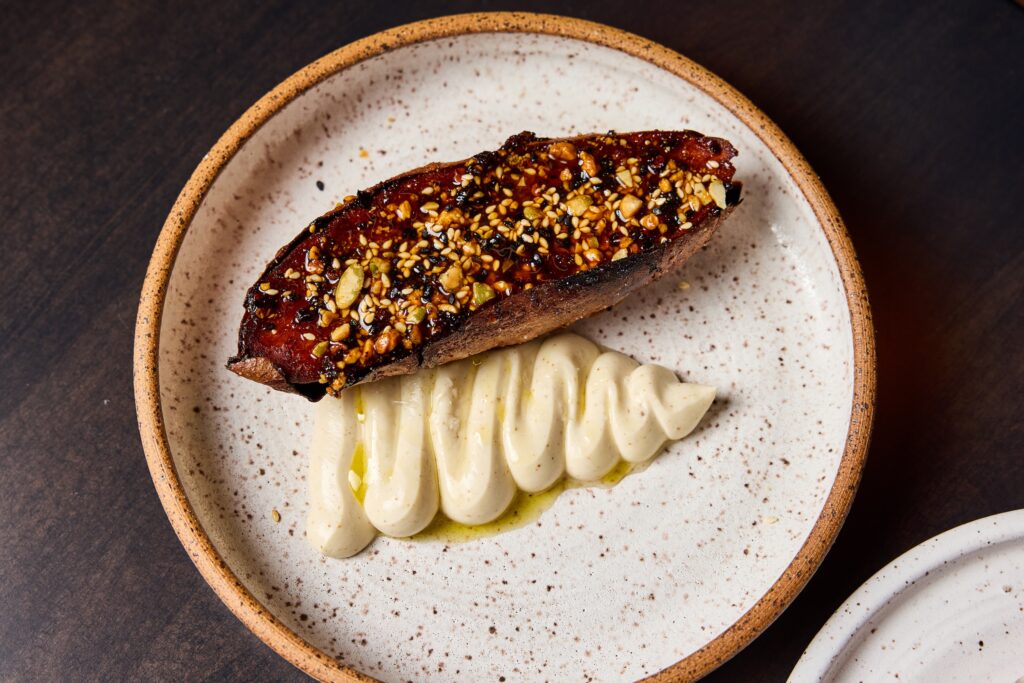
A meal at Alteño follows the rhythm of traditional dining in the Jaliscan Highlands, where meals are an unhurried, communal celebration. While whole animals cook over open flames, guests enjoy seafood and crudos from the raw bar rooted in a strong sense of place—ingredients like local Tarvin Shrimp in the Aguachile Negro and a rotating selection of South Carolina’s best seafood in the Pesca A Las Brasas. 

Additional menu highlights include: 

  • Ostiones A La Lena (Petite Oyster, Yahualica Butter, Serrano Ponzu, Otoro, Fresh Lemon) – Grilled over an open flame, these oysters are distinctly Jaliscan with the use of the region’s native Yahualica pepper
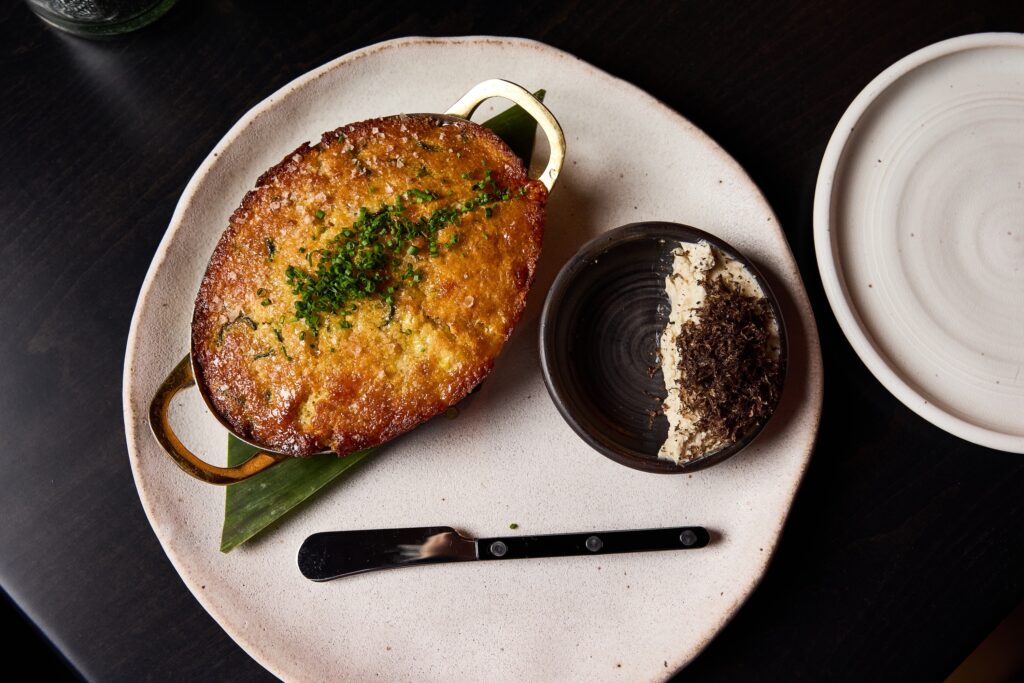
  • Pan De Elote (Jalapeño Cornbread, Huitlacoche Butter, Tillamook Cheddar, Smoked Honey, Fresh Truffles) – Inspired by the landscape of the Jaliscan Highlands, where cornfields stretch for miles, and this hearty bread is found in abundance
  • Pescadilla Frita (Smoked “Marlin,” Chipotle Frito, Queso Chihuahua, Salsa Fina, Nixtamal) – Straight from the hearth, warm smoked tuna and melted cheese are found in a pocket of fried masa
  • Cachetada (Prime NY Strip, Cippolini Onions, Salsa Cruda, Nixtamal Tortilla) – A dish that transports Johnny back to Tepa, where he grew up eating this beloved style of taco made with two tortillas joined by melted cheese at the iconic Tacos Julos food stall
  • Carnitas De Puerco (Peculiar Farms Jowl, Lentils, Escabeche De Habanero, Sourdough Tortilla) – Served with lentils to honor tradition, the pork jowl is a deeply personal nod to Guadalajara, where a working-class food culture rooted in whole-animal butchery and the use of offcuts has sustained generations of Jaliscans
  • Costilla Al Albanil (Angus Short Rib, Tomatillo & Onion Broth, Ayocote Beans, Nixtamal Tortillas) – Albanil, meaning “laborer,” is a stew-like dish Johnny grew up eating with his family, rooted in a Friday tradition of gathering with friends and loved ones after a week of hard work

Johnny Curiel’s father has a way of turning even an ordinary Monday into a celebration, bringing family and friends together around the table. That spirit lives on through the restaurant’s thoughtfully curated wine and beverage program, with distinct Mexican cocktails, a robust wine program, and an expansive agave spirits portfolio that honors Jalisco’s legacy as the birthplace of tequila. Signature cocktails include Fonda Fina Hospitality’s famous Avocado Margarita, an Oaxacan Old Fashioned, and a Mexican spin on a classic Carajillo.

Alteño Charleston marks the first restaurant the Curiels have designed from the ground up, in partnership with Agatha Jane Interior Design, the creative partner behind all of Fonda Fina Hospitality’s restaurant spaces. The design brings together Mexican craftsmanship and Charleston’s coastal character through natural materials, rich textures, clean lines, and warm lighting. An expansive open kitchen anchors the 55-seat restaurant, with a 10-seat chef’s counter offering an intimate view of the raw seafood bar and wood-fired hearth. Mexican artistry and design are reflected throughout, from the onyx chef’s counter sourced from Mexico to adobe-inspired plaster walls and intricate details inspired by traditional piteado leatherwork on the banquettes and kitchen hood surround. Artworks celebrate Mexico’s regional traditions and artists, including decorative Tonalá ceramics from Jalisco, a painting by Guadalajara artist Ernesto Loza, and a traditional mirror from Michoacán. Modern interpretations of Mexican punched-tin and blown-glass lighting complement the warm, earthy palette, while an overhead beaded installation by Charleston-based Ro Sham Beaux evokes the night sky.

“For us, choosing Charleston was a deeply personal decision. The warmth and welcome we’ve already felt from this community make our family excited to call it our home away from home,” says Kasie Curiel. Alteño anchors the Charlee on Cannon at 89 Cannon St, Charleston, SC 29403. The restaurant is open daily with their full menu from 3-10 pm, and on weekdays, they offer a small bites menu from 3- 5 pm and drink specials from 4- 5 pm.

++

About Alteño 

Rooted in the bold, fire-kissed flavors of Chef Johnny Curiel’s native Jalisco Highlands, Alteño is a tribute to the culinary traditions passed down by his father, a revered chef and restaurateur. His spirit—the original Alteño, or “highlander”—imbues every detail of the campestre-style restaurant, from cevichería-inspired crudos to the vegetables and proteins cooked in the kitchen’s expansive hearth. The Denver flagship opened in 2025 and has since received a Michelin Recommendation, in addition to national recognition as one of Esquire’s Best New Restaurants (2025) and Condé Nast Traveler’s Best New Restaurants in the World (2026). Alteño has locations in Denver, Austin, and Charleston.

About Fonda Fina Hospitality

Raised in a family of chefs in Guadalajara, Mexico, Johnny Curiel developed an early appreciation for the rich cultural and storytelling power of food. He spent years traveling throughout Mexico with a mission to uncover the heart and soul of the country’s diverse culinary traditions. His journey led him from bustling kitchens and vibrant street food stands to abuelas’ home kitchens, where he absorbed generations of technique and wisdom. Today, those experiences shape Fonda Fina Hospitality, led by Chef Curiel alongside his wife and co-owner, Kasie Curiel.

Chef Johnny Curiel shares his story at One Michelin Star Alma Fonda Fina, One Michelin Star Mezcaleria Alma, One Michelin Star Milpero, Michelin Bib Gourmand Cozobi Fonda Fina, Michelin Recommended Alteño in Denver, and two additional Alteño locations in Austin and Charleston. Johnny received Michelin Colorado’s Young Chef Award (2024) and was a James Beard Finalist for Best Chef: Mountain (2026), in addition to Alma Fonda Fina’s recognition as a James Beard Finalist for Best New Restaurant (2025).

Click HERE for reservations.

Stay connected and subscribe to Charleston Daily.

Photo Credit: Shawn Campbell

Beyond the Spotlight: Five Intimate Charleston Restaurants Worth Finding

By Mark A Leon

Away from the crowded dining rooms, familiar reservations lists and restaurants that seem to dominate every conversation, Charleston has another culinary story worth telling. It belongs to the smaller dining rooms, tucked-away neighborhood favorites and independently minded kitchens where the food speaks louder than the publicity.

Charleston’s dining scene has earned national recognition, and deservedly so. But some of the city’s most rewarding meals aren’t necessarily found at the restaurants making headlines or attracting the longest lines.

They’re found behind unassuming storefronts, along quieter streets and in intimate dining rooms where hospitality still feels personal. These are the places where a chef’s attention to detail matters, the service feels genuine, and a memorable meal doesn’t require a celebrity sighting or a special occasion.

For Charleston Daily, we went looking beyond the usual dining recommendations to highlight five restaurants that deserve a little more attention.

Bintü Atelier
8D Line Street | Eastside

Some of Charleston’s most interesting culinary experiences are happening in places you might otherwise drive right past. Bintü Atelier is one of them.

Located in a residential pocket of the Eastside, this intimate restaurant brings the flavors and culinary traditions of West Africa to Charleston. Chef Bintou N’Daw has created something distinctive, drawing on Senegalese heritage and the broader food traditions of the African continent.

The atmosphere is relaxed and welcoming, with a colorful setting and outdoor dining that makes the experience feel more like being invited into someone’s neighborhood than visiting a conventional restaurant.

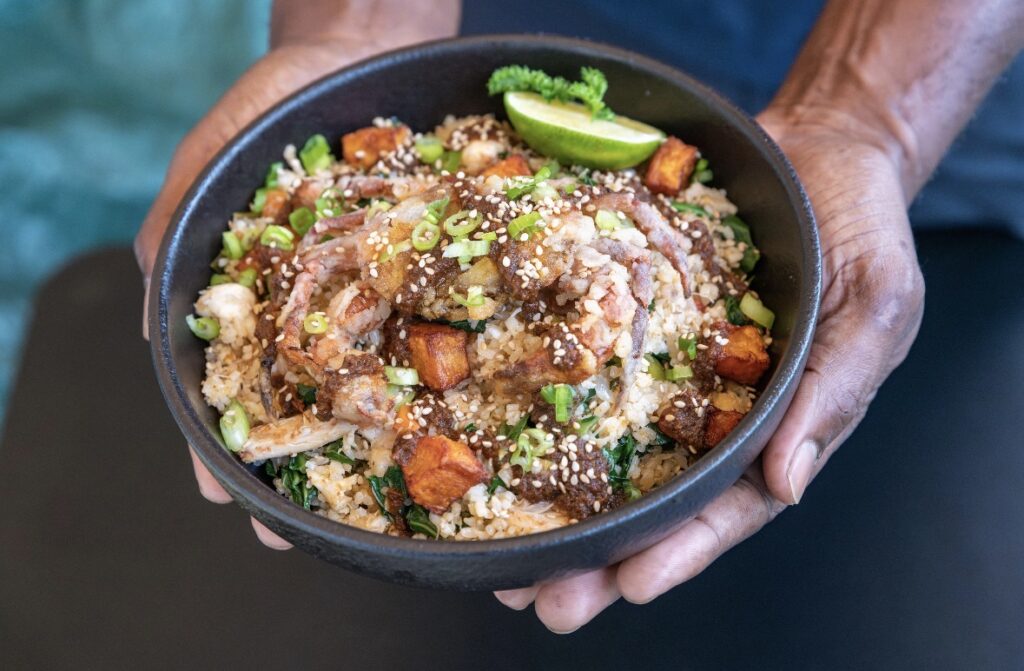
The food is the real attraction. Look for the Shito Spicy Crab Rice, featuring crab meat, broken rice, greens, yam and spicy shito paste. The Yassa Lamb, slowly cooked with caramelized onions, olives and lime, is another excellent choice. If available, the traditional Senegalese Thiéboudieun, a flavorful fish and rice dish, deserves serious consideration.

Bintü has also introduced a rotating $50 prix fixe experience featuring a small plate, main course and drink or dessert, with dishes changing according to seasonal availability.

This is a restaurant worth discovering for anyone interested in experiencing something beyond Charleston’s traditional culinary repertoire.

Glass Onion

The Glass Onion
1219 Savannah Highway | West Ashley

Not every exceptional restaurant needs an elaborate dining room, a downtown address or an expensive public relations campaign. Sometimes, all it takes is a talented chef, a commitment to good ingredients and a kitchen that knows exactly what it is doing.

The Glass Onion has quietly built its reputation on those principles.

Located along Savannah Highway, away from the downtown restaurant corridor, this independently minded restaurant is a welcome reminder of what makes neighborhood dining special. Owner and executive chef Chris Stewart draws inspiration from his Alabama roots, New Orleans influences and the culinary traditions of the Lowcountry.

The restaurant places an emphasis on locally sourced ingredients, regional purveyors and food prepared with a sense of history and familiarity.

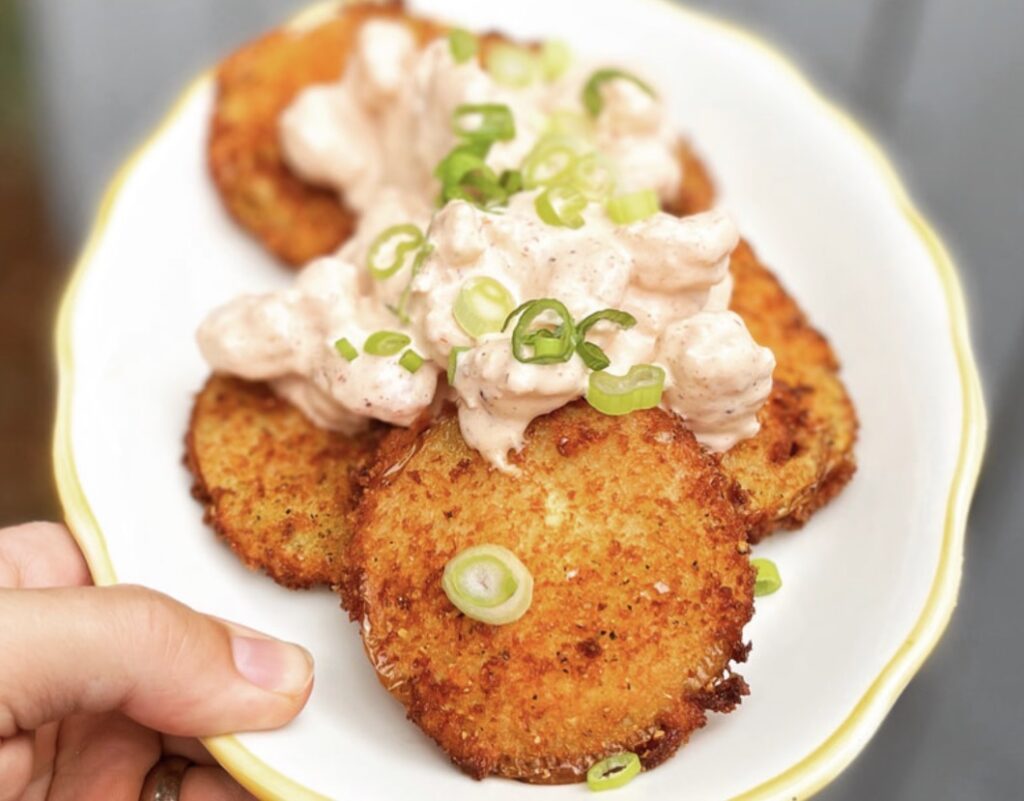
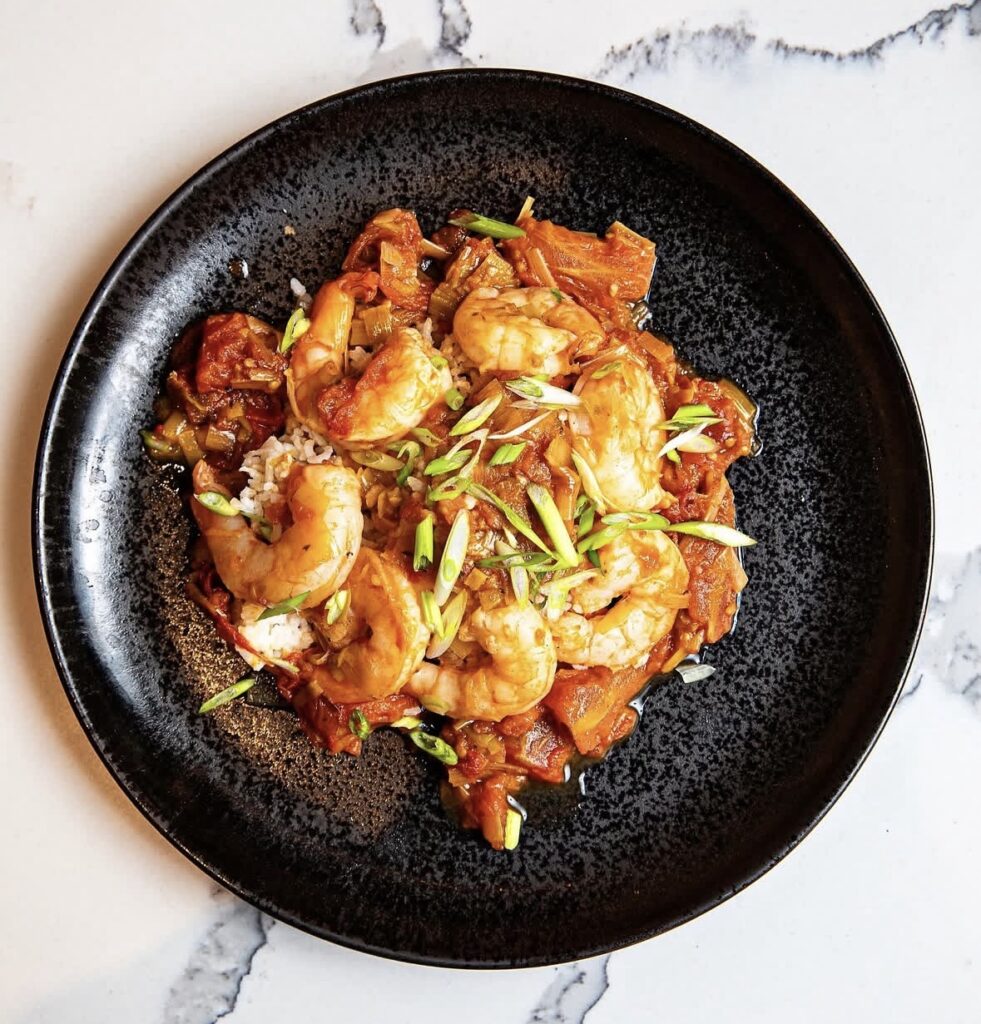
There are several reasons to make the drive. Start with the fried green tomatoes with pimento cheese, or the chicken gumbo. For an entrée, the shrimp and grits, featuring Carolina shrimp, andouille sausage, Creole tomatoes and Marsh Hen Mills grits, is a natural Lowcountry choice. The cornmeal-fried Carolina catfish, served with two sides, is another recommendation.

What makes The Glass Onion particularly appealing is its unpretentious approach. It doesn’t need to reinvent Southern food to make it memorable. It simply needs to get it right.

And that is precisely the point.

Wild Olive

Wild Olive
2867 Maybank Highway | Johns Island

There is something refreshing about leaving the peninsula behind and discovering a restaurant that feels like it belongs to the neighborhood it serves.

Wild Olive has been doing just that on Johns Island since 2009.

The restaurant offers a more intimate alternative to the larger, high-profile Italian dining rooms around Charleston. Its atmosphere is warm and comfortable, with a rustic character that invites guests to slow down, enjoy a glass of wine and settle in for dinner.

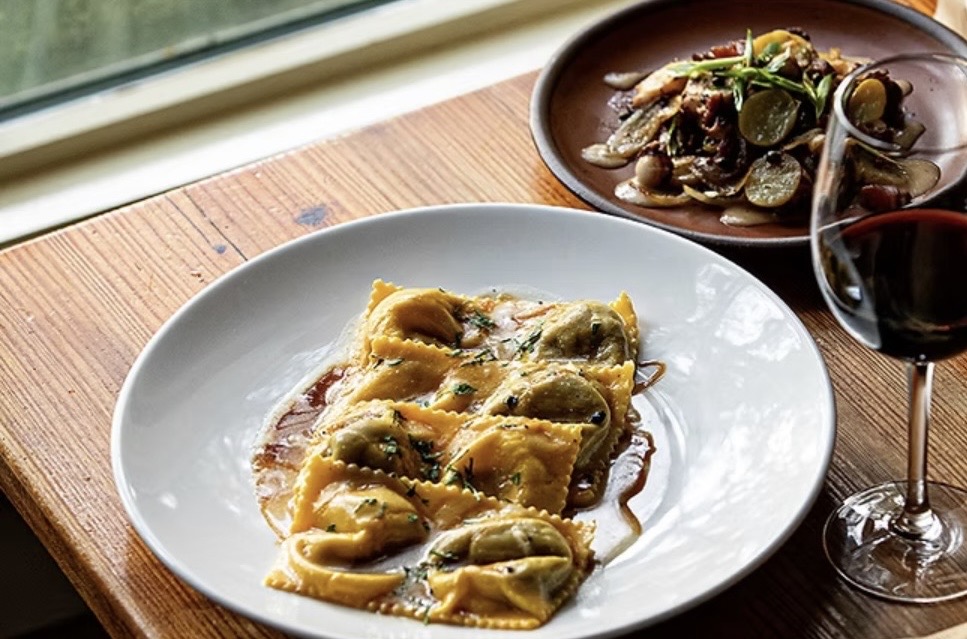
The kitchen focuses on Italian cooking, seasonal ingredients and handmade pasta. It’s the kind of place where a meal should be approached in stages rather than rushed through.

Begin with the risotto fritters, a popular appetizer, or the calamari. For the main course, look for the house-made gnocchi or one of the rotating pasta specials. The chicken Parmesan is another comforting favorite for those who appreciate a traditional Italian-American classic.

One of the restaurant’s strongest qualities is its hospitality. Guests regularly praise the knowledgeable staff and their willingness to guide diners through the menu. The wine selection also makes this a particularly appealing destination for a relaxed evening.

Wild Olive may require a little extra driving for downtown residents, but that’s part of its appeal. Sometimes the best dinner plans involve getting out of town without actually leaving Charleston.

Chez Nous

Chez Nous
6 Payne Court | Cannonborough-Elliotborough

Some restaurants are discovered by accident. Chez Nous feels almost designed for that experience.

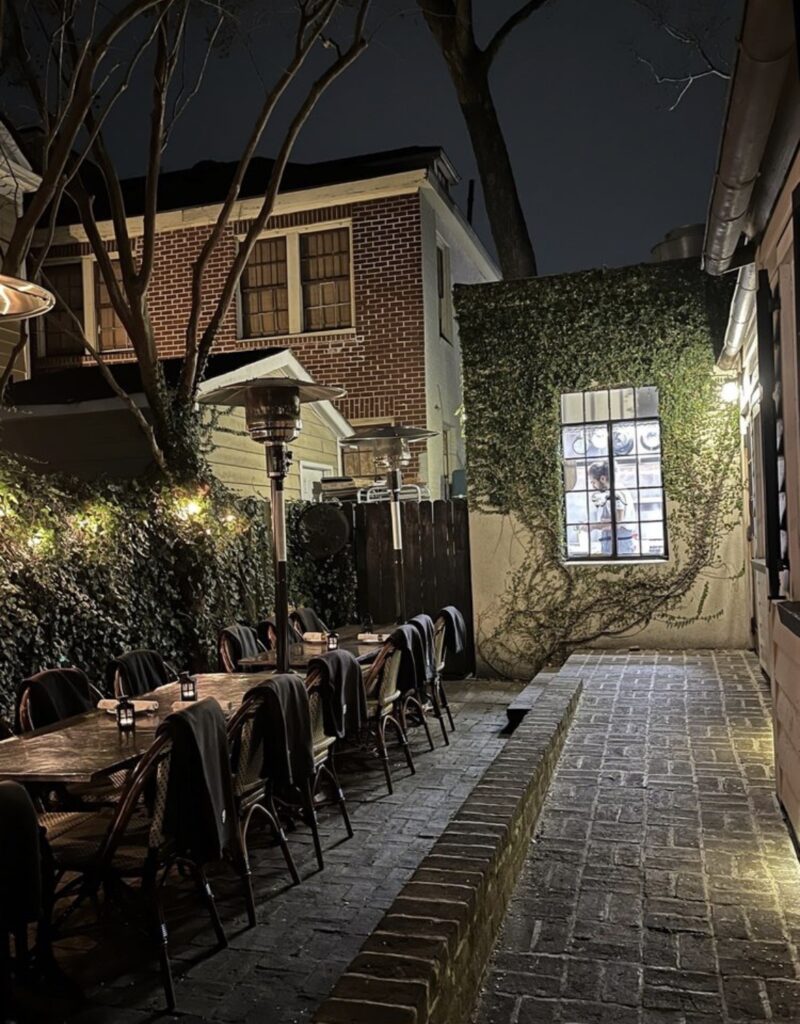
Tucked away on Payne Court, this small restaurant occupies a historic Charleston home and offers an intimate dining experience that is increasingly difficult to find in a busy restaurant market.

There is no sprawling menu or overwhelming list of choices. Instead, Chez Nous takes a wonderfully restrained approach to dining, drawing inspiration from Southern France, Northern Italy and Northern Spain.

The menu changes daily and consists of just two appetizers, two entrées and two desserts. That limited selection is part of its personality. It allows the kitchen to focus on ingredients, preparation and the details that make a meal memorable.

What should you order? That’s part of the fun. The restaurant has featured dishes such as grilled branzino with creamy leeks, lamb preparations, seasonal pastas and beautifully composed desserts. The best advice is to check the daily menu before visiting and allow the kitchen to guide your choices.

The setting is particularly appealing for couples or anyone who enjoys a quieter, more personal dining experience. The small dining room, attentive service and thoughtful wine program make it a restaurant where conversation can take center stage.

Chez Nous is a reminder that a memorable restaurant doesn’t need 100 menu items or a massive dining room. Sometimes six thoughtfully prepared choices are more than enough.

Southbound

Southbound
72 Cannon Street | Downtown Charleston

Southbound is a restaurant that deserves a closer look from diners who appreciate the artistry behind a well-prepared meal.

Situated in a beautifully rebuilt historic setting on Cannon Street, Southbound offers an experience built around live-fire cooking, thoughtfully sourced ingredients and an atmosphere that feels sophisticated without becoming overly formal.

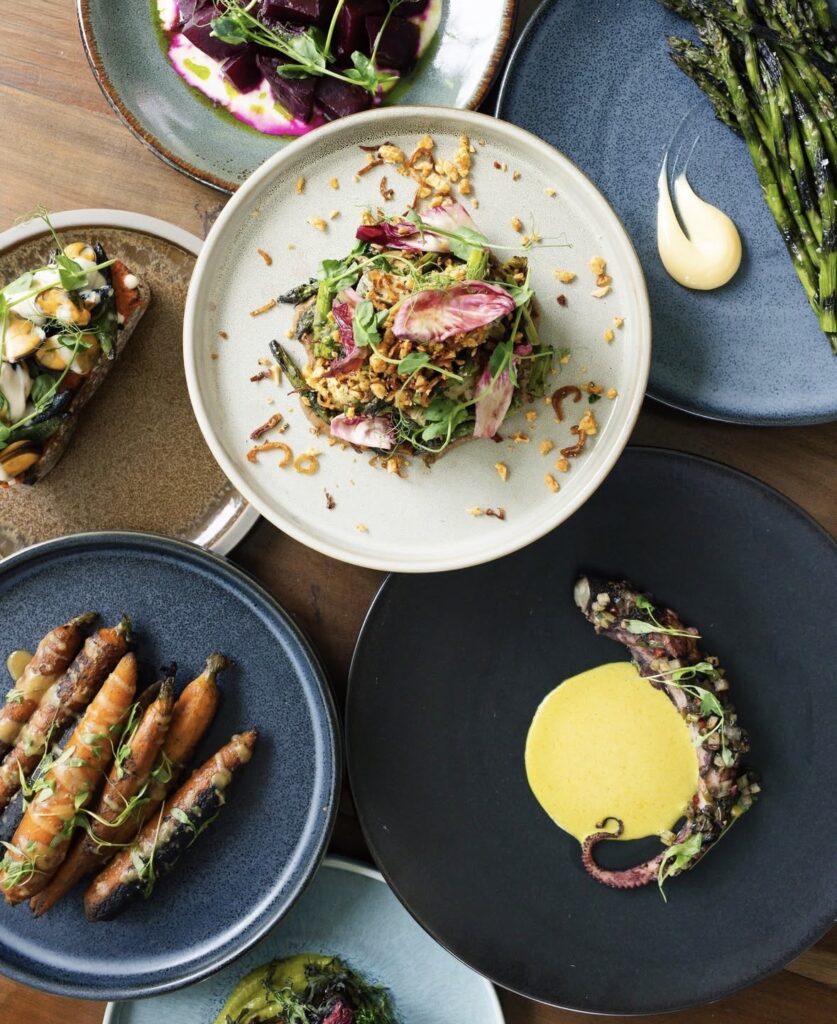
The restaurant’s oak-fired hearth and grill are central to its identity. Rather than relying on elaborate presentations, the kitchen puts an emphasis on technique, quality ingredients and the natural flavors created through fire.

For starters, consider the dry-aged steak tartare, served with smoked egg, cornichons and fingerling potato chips. The grilled octopus with butter bean hummus and pickled okra is another interesting choice.

For the main course, the Lowcountry moqueca, featuring grouper, butter beans, shrimp, mussels and seasonal vegetables, offers a wonderful connection between coastal cooking and international influence. The grilled Berkshire pork collar is another dish worth exploring.

The dining room has an inviting atmosphere, while the upstairs bar and intimate terrace offer alternatives for those looking for a quieter evening.

Southbound demonstrates that excellent dining is as much about the experience as it is about what’s on the plate. The combination of thoughtful cooking, knowledgeable hospitality and a distinctive setting makes it a worthy addition to this list.

The pleasure of discovering somewhere new

Charleston’s restaurant scene will always have its celebrated establishments, nationally recognized chefs and destination dining rooms. They deserve their recognition. But there is another side to the city’s culinary identity that deserves equal appreciation.

It’s found in the chef who takes pride in a daily-changing menu, the neighborhood restaurant that remembers its regulars, the independently owned kitchen that sources from local farmers and fishermen, and the server who understands that hospitality is about making someone feel welcome.

These five restaurants offer different cuisines, settings and price points, but they share something important: a commitment to making dinner more than simply another reservation.

Perhaps the best restaurant in Charleston isn’t always the one everyone is talking about.

Sometimes, it’s the one you discover yourself.

Charleston Daily dining note: Menus, prices and operating hours can change seasonally. Check each restaurant’s website before visiting. Reservations are particularly advisable at the smaller establishments.

A note for Charleston Daily: I would position this as an ongoing editorial series, perhaps titled The Charleston Table: Beyond the Spotlight. It gives us an opportunity to feature independently owned restaurants, neighborhood kitchens and culinary destinations that deserve greater recognition without simply repeating the city’s most familiar dining lists.

Stay connected and subscribe to Charleston Daily.

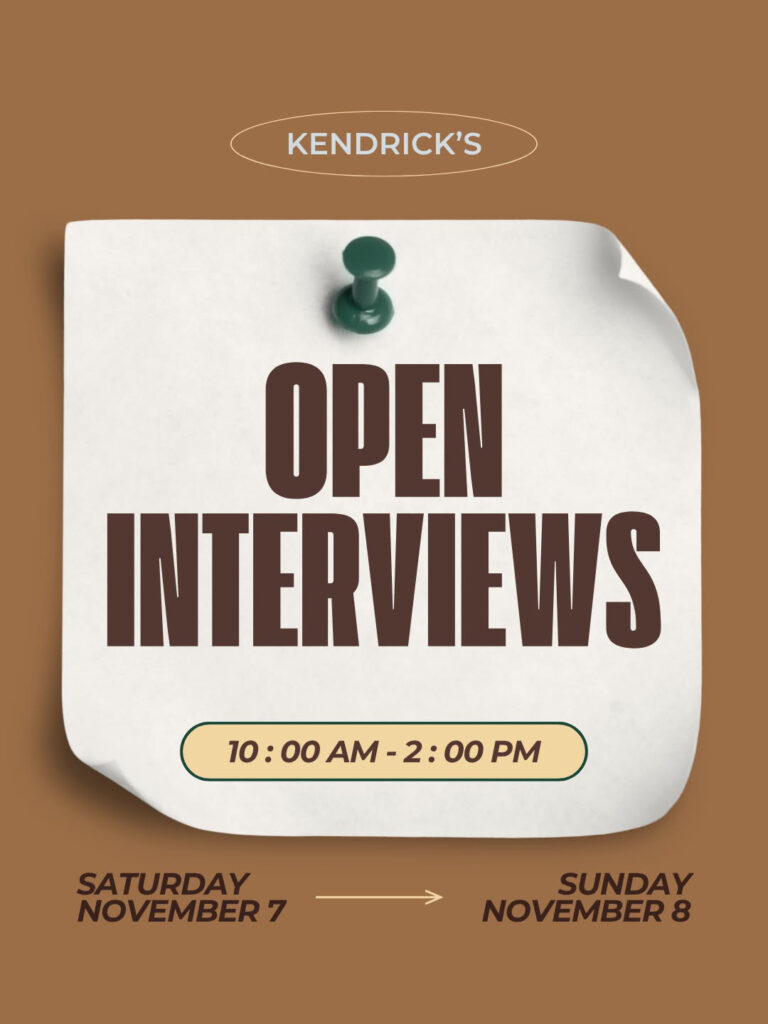
Kendrick’s, Charleston’s latest Restaurant Concept is Hosting Open Interviews November 8-9, 2026 – FOH and BOH

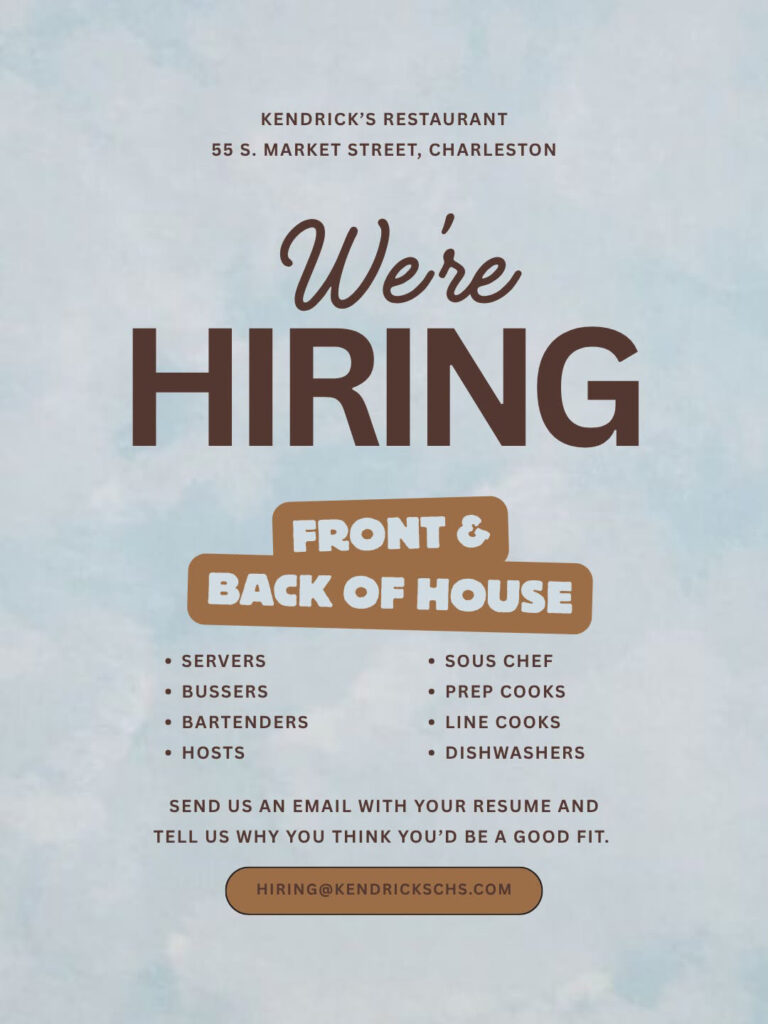
Kendrick’s, a new restaurant at 55 S. Market Street in Charleston, is holding open interviews this weekend as it builds out its opening team.

The restaurant will host the hiring event on Saturday, November 7, and Sunday, November 8, from 10 a.m. to 2 p.m. both days. Job seekers can walk in without an appointment.

Kendrick’s is hiring across the front and back of house. Front-of-house openings include servers, bussers, bartenders and hosts. In the kitchen, the restaurant is looking for a sous chef, prep cooks, line cooks and dishwashers.

Candidates who can’t make it to the interviews can still apply by emailing a resume to hiring@kendrickschs.com. The restaurant asks applicants to include a note explaining why they’d be a good fit for the team.

With the weekend just around the corner, anyone interested in joining one of Charleston’s newest dining concepts has a straightforward path: stop by 55 S. Market Street on Saturday or Sunday, or send an email to get the process started.

Details:

  • When: Saturday and Sunday, November 7-8 from 10:00 AM – 2 PM – Walk-ins welcome
  • Where 📍- Kendrick’s – 55 Market Place South
  • Send resume to: hiring@kendrickschs.com
  • Openings: Front and Back of the house

Stay connected and subscribe to Charleston Daily.

Remley’s Point Boat Landing Temporarily Closing for Improvements

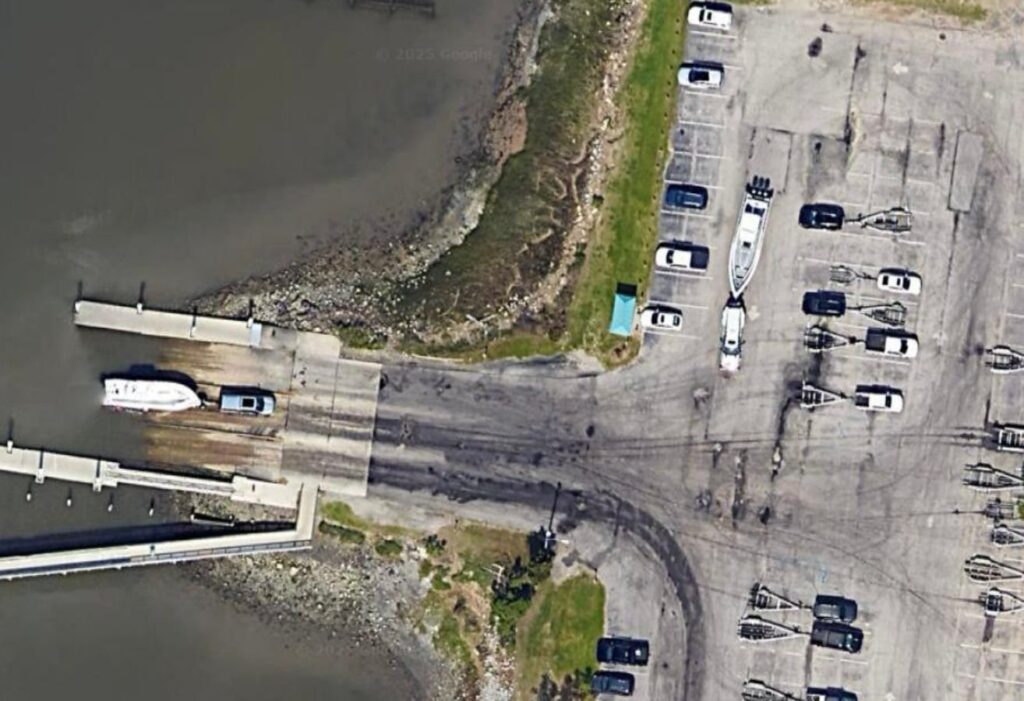
[MOUNT PLEASANT] – The Remley’s Point Boat Landing in Mount Pleasant will temporarily close in mid-November for various improvements to the landing. Construction is expected to be completed and the landing reopened in early summer 2027. 

The Remley’s Point Boat Landing Improvements Project will enhance public access, boating operations, safety, and accessibility at the existing boat landing. The project includes the replacement and expansion of marine facilities, improvements to parking and circulation areas, and the implementation of significant Americans with Disabilities Act (ADA)-compliant features to create a more inclusive and user-friendly public facility. For updates on the project and reopening of the landing, visit https://www.ccprc.com/parks/boat-landings/remleys-point-boat-landing-improvements/.

Upgrades to the boat landing will include:

  • Construction of new 4-ramp concrete boat launch to improve launching and retrieval efficiency
  • Installation of new floating docking systems, including:
    • concrete breakwater floating docks
    • aluminum floating docks
    • ground-out docks
    • new gangways connecting upland areas to dock facilities
  • Construction of a new 210-foot fixed wave break/breakwater to improve protection from wave action and enhance boating safety
  • Expanded and improved parking facilities, including:
    • addition of 11 trailer parking spots
    • addition of 8 car parking spots
    • resurfaced and restriped parking areas
    • additional gravel overflow for car parking
    • dedicated tie-down and make-ready areas.

The project includes improving accessibility and ensuring full compliance with ADA standards. Enhancements include:

  • new accessible gangways connecting upland areas to floating docks
  • creation of dedicated ADA car and truck/trailer parking spaces with accessible routes to docks and launch areas

“The completed project will provide a safer, more efficient, and more accessible public boating and recreation facility,” said Capital Projects Manager Steve Nehls. “The improvements will increase capacity for boat launching activities, enhance shoreline resilience, improve traffic flow and parking operations, and ensure that visitors of all abilities have equitable access to the waterfront amenities and boating facilities.”

Boaters are encouraged to check CharlestonCountyParks.com for updates on when the landing will be reopened. 

Remley’s Point Boat Landing offers access to the Wando River from Mount Pleasant. The Shem Creek Boat Landing, also in Mount Pleasant, will be open during the Remley’s Point closure. The Charleston County Park and Recreation Commission maintains 19 public boat landings throughout Charleston County. For a list of other boat landings managed by CCPRC, visit CharlestonCountyParks.com

image006.jpg

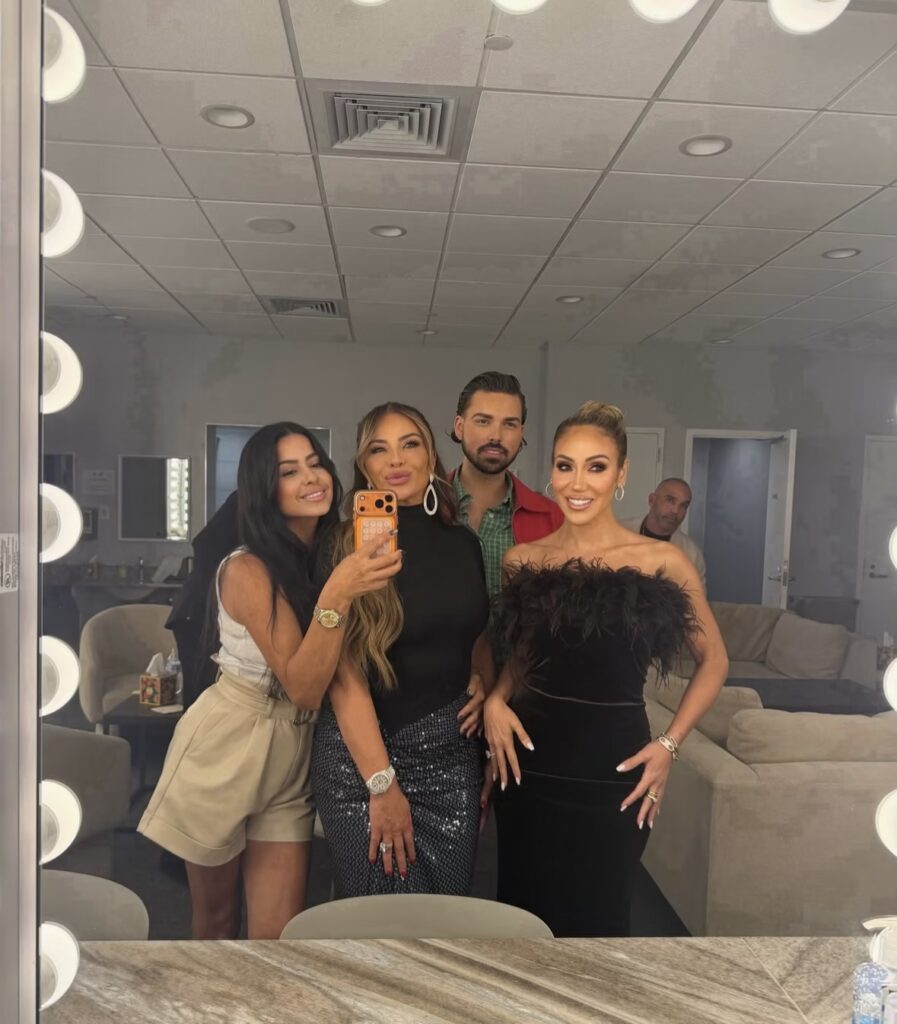
Behind the Glam: Celebrity Hairstylist Kevin Kelly Brings the Glam Suite to Charleston for Bravo Fest

By Mark A Leon

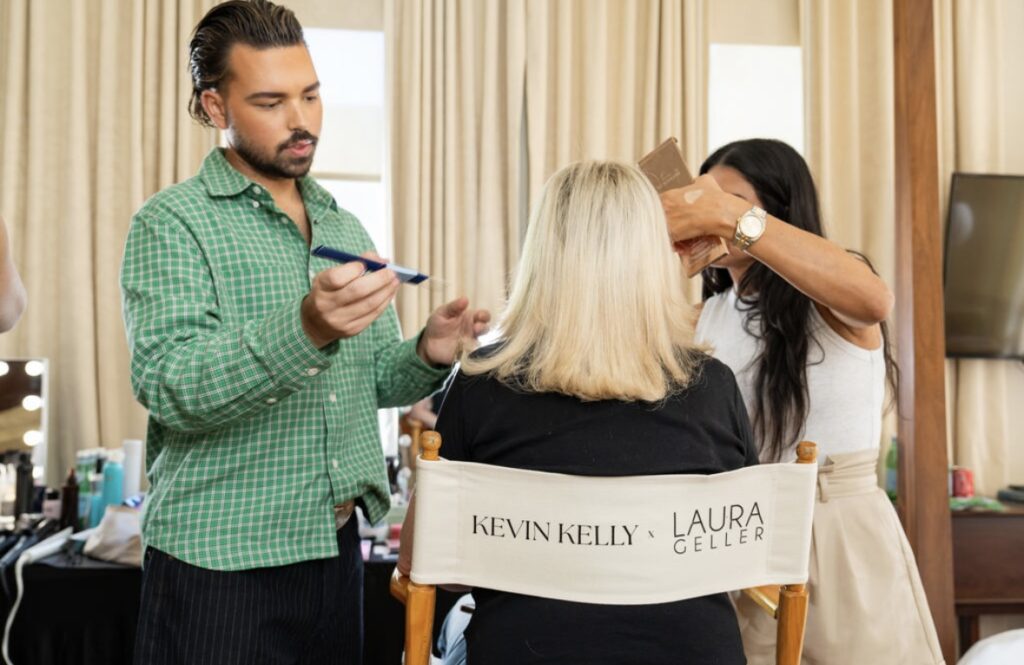
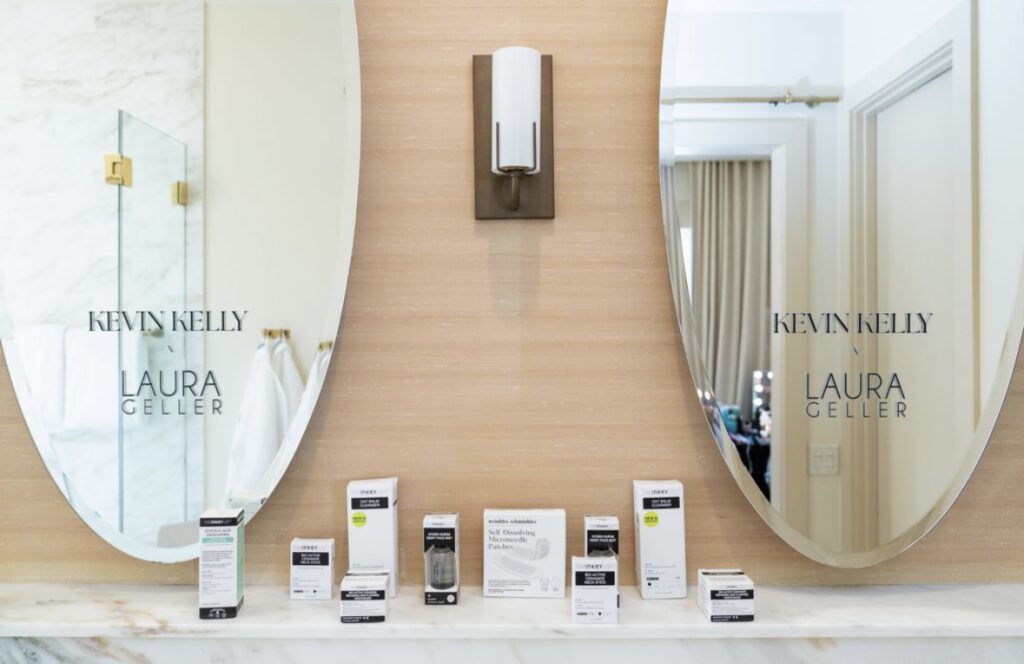
From opening his first salon at just 18 to styling celebrity clients and building his own extension brand, Kevin Kelly has made a career out of helping people look and feel their best. During Bravo Fest in Charleston, Kelly brings that experience to The Dewberry with the Kevin Kelly x Laura Geller Glam Suite, giving Bravo personalities a little extra star power before stepping into the spotlight. Charleston Daily caught up with Kelly to talk about his career, the energy of the Bravo community, and the artistry behind getting television personalities camera-ready.

Charleston Daily: You opened your first salon at just 18. What was your path into hairstyling, and when did you know this was what you wanted to do?

Kevin Kelly: I opened my first salon when I was 18, so I got started pretty young. I knew I wanted to have my own business and do something that I loved. From there, it grew into working with celebrity clients and starting my own extension brand.

I don’t think there was one specific moment when I knew. Every new opportunity made me want to keep going. I love making people feel good about themselves, whether they’re coming into the salon or getting ready to be on TV. Seeing them happy with their hair is still my favorite part.

Charleston Daily: Bravo has developed an incredibly passionate fan base. What makes the Bravo community so unique, and what is it like to experience that energy firsthand?

Kevin Kelly: The Bravo fans are so passionate. They know everything about the shows, the women, and even their hair. They’re excited to be there, and you really feel that when you’re around them.

With our Kevin Kelly x Laura Geller Glam Suite, we get to help the women get ready before they go out and see everyone. It’s a lot of work, but we have fun doing it. Being able to partner with Laura Geller and bring our teams together makes it even more special. Then seeing everyone dressed and ready, meeting the fans, is really exciting.

Charleston Daily: Between reality television, social media, and the growth of celebrity beauty brands, how has the role of hairstylists and makeup artists evolved?

Kevin Kelly: Now, you’re getting someone ready for a whole day of different things. They might be filming, doing interviews, taking photos, and posting on social media. Their hair has to look good and last through all of that.

There’s also a lot people don’t see. We’re keeping everyone on schedule, working with the makeup artists, doing touch-ups, and making changes along the way. You also build a close relationship with your clients. They need to trust you and feel comfortable with you, especially before a big event.

Charleston Daily: In the world of celebrity styling, how much of your work is about making someone look good, and how much is about helping create and maintain their public image?

Kevin Kelly: It’s a little bit of both. First, I want them to love their hair and feel good about themselves. I listen to what they want, and we figure out what works best for them.

But hair is also a big part of how people recognize someone. A certain color or style can become their thing. We keep that in mind while still changing it up and having fun. At the end of the day, I want them to look in the mirror and feel like themselves.

The Glam Behind the Spotlight

For Kelly, celebrity hairstyling is about much more than creating a picture-perfect look. It’s about relationships, trust, timing, and understanding how a person’s appearance becomes part of their identity.

At The Dewberry, the Kevin Kelly x Laura Geller Glam Suite brings together the artistry of professional hairstyling and makeup in an environment where Bravo personalities can prepare for the excitement surrounding Bravo Fest.

And while the cameras, personalities, and passionate fans may draw the attention, Kelly’s philosophy remains refreshingly personal: make people feel good about themselves.

It’s a simple approach that has carried him from opening a salon at 18 to working alongside recognizable names in entertainment. In Charleston, he’s bringing a little Hollywood glamour to the Lowcountry, one hairstyle at a time.

Charleston Daily | Local Stories. Local Voices. Charleston Life.

Subscribe to Charleston Daily

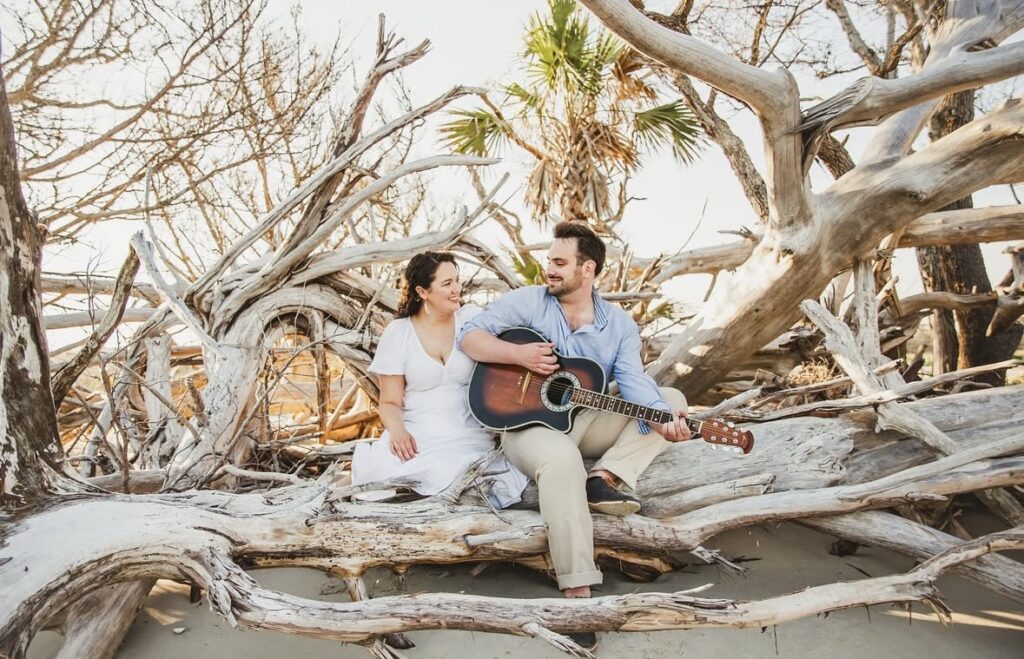
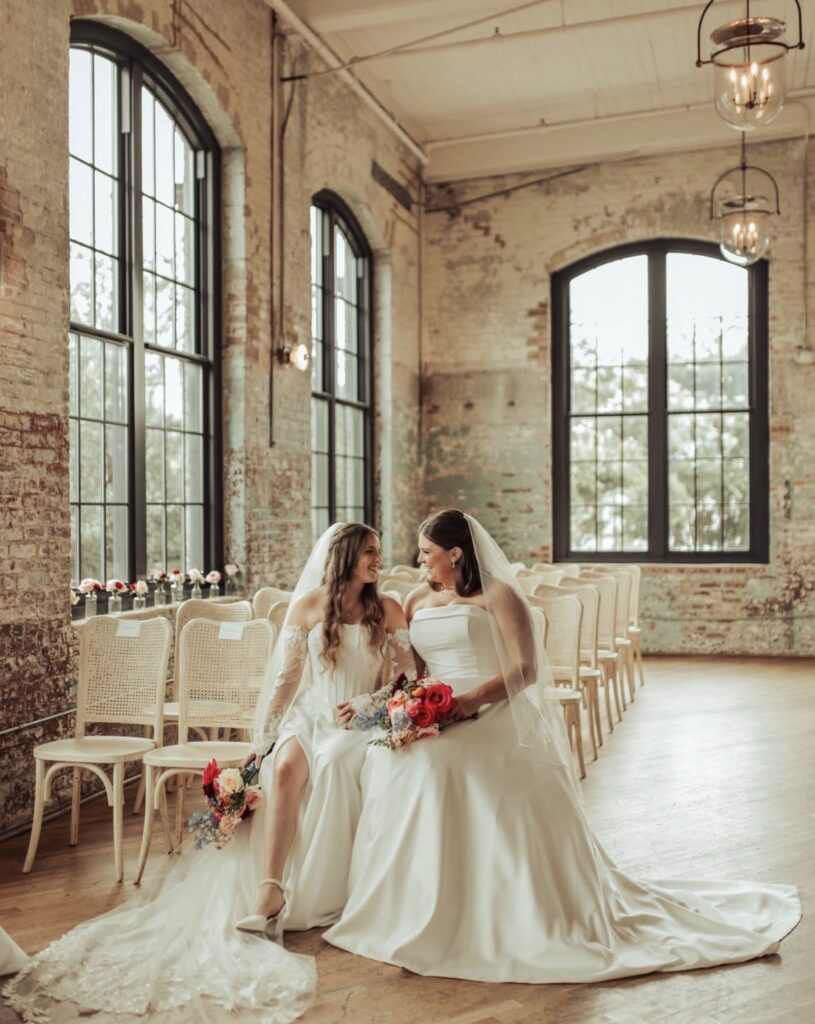
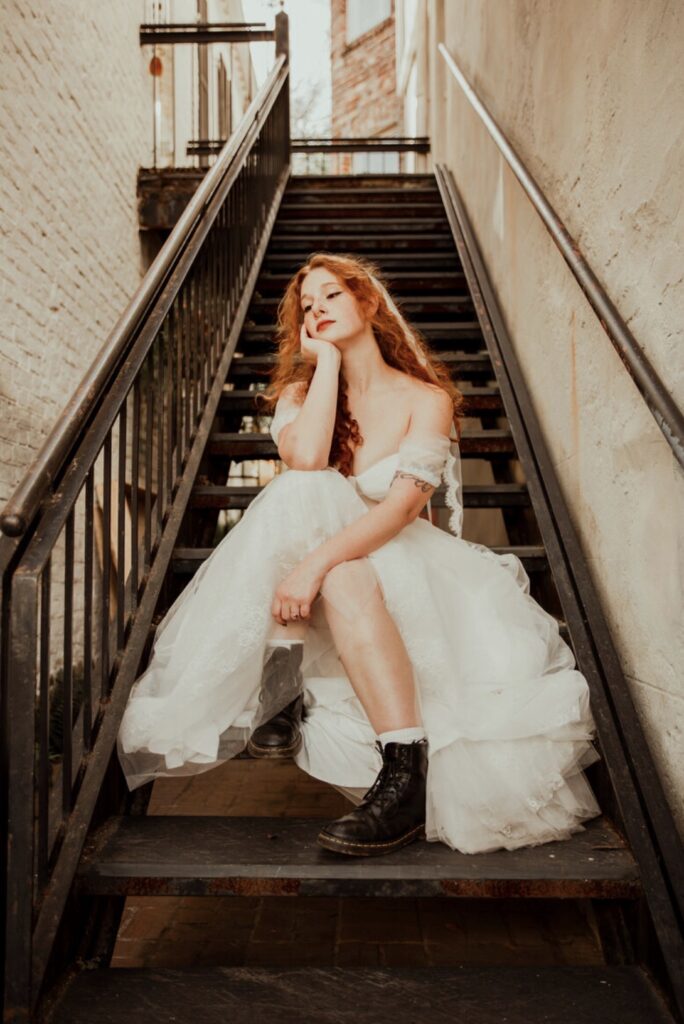
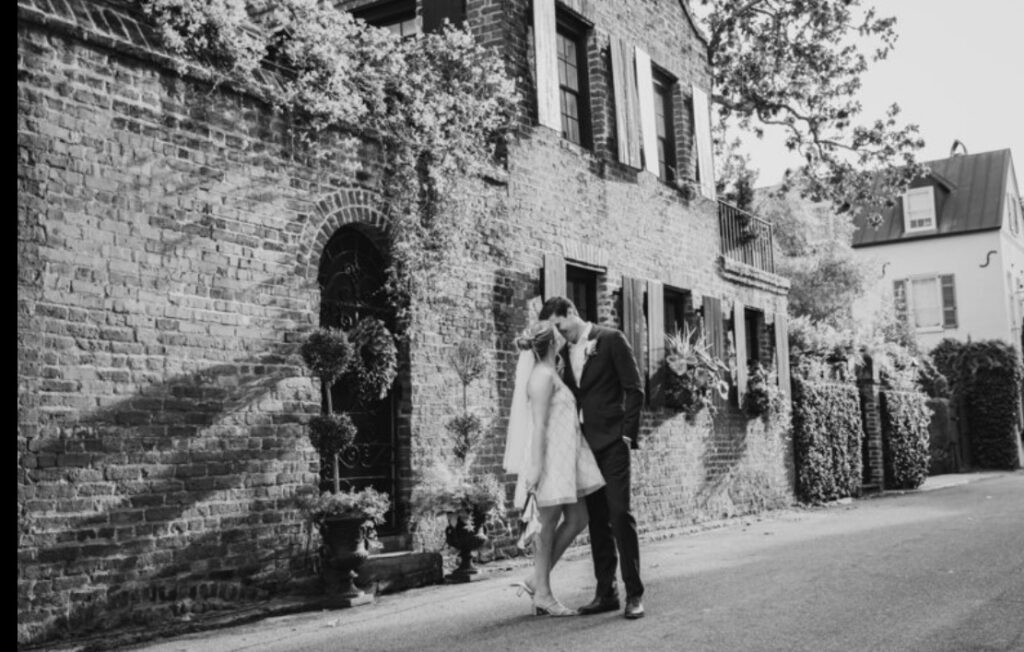
Behind the Lens: Tara Leigh Photography Finds the Beauty in Charleston’s Unscripted Moments

By Mark A Leon

Some photographs capture what a moment looked like. Others capture exactly how it felt. For Charleston photographer Tara Leigh, the difference is everything.

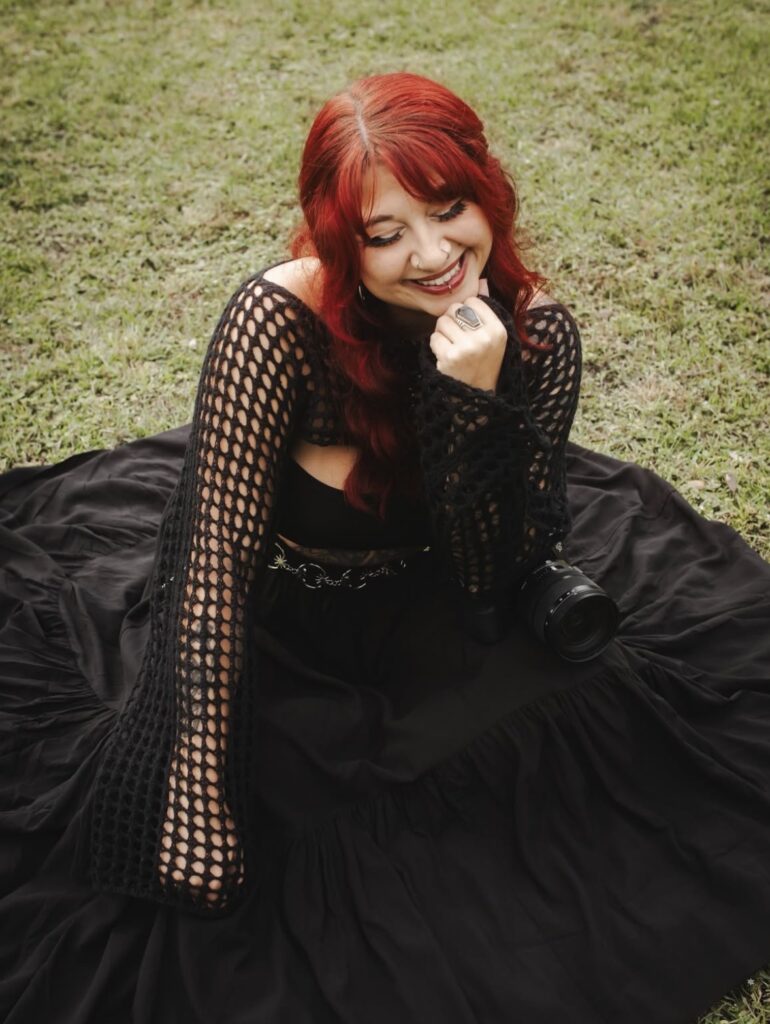
Born and raised in Charleston, Tara has spent nearly 17 years behind the camera developing an approach to photography that prioritizes emotion, individuality and the beauty of being unapologetically yourself.

Her philosophy is simple: the best photographs don’t necessarily happen when everyone is perfectly posed. They happen in between.

The deep breath before wedding vows. A spontaneous laugh between couples. Children running beneath the oak trees. The fleeting expressions that might otherwise disappear into the passing of time.

On her website, Tara describes her work as warm, cinematic and rooted in honest storytelling. Rather than creating an idealized version of someone’s life, she wants to preserve the way it actually felt.

It is an approach that gives Tara Leigh Photography a personality of its own.

More than a photograph, it’s a feeling

Photography is often about remembering where we were and who we were with. Tara takes that idea a step further, creating images that encourage people to see themselves differently.

Her work spans intimate weddings, elopements, micro weddings, couples, families, portraits, boudoir and fashion photography. Each session is approached as its own story rather than another appointment on a production schedule.

There are no cookie-cutter templates or rigid scripts.

Instead, Tara works with clients to understand what they want their photographs to communicate. She offers gentle direction when needed while leaving room for spontaneous moments to unfold naturally.

For those who feel uncomfortable in front of a camera, that philosophy can make all the difference.

You don’t need to know how to pose, she explains. You simply need to show up as yourself.

That combination of artistic direction and relaxed interaction is a recurring theme in client testimonials. Customers describe sessions that feel comfortable, creative and enjoyable, even for people who initially aren’t sure what to do in front of the lens.

A Charleston backdrop unlike anywhere else

For a photographer who grew up in the Lowcountry, Charleston isn’t simply where the business operates. It’s part of the artistic identity.

From the historic charm of downtown to the sprawling live oaks, flower-filled gardens, coastal landscapes and quiet stretches of beach, the region offers an extraordinary collection of settings.

Tara maintains a curated selection of Charleston-area locations and helps clients choose environments that complement their personalities and vision.

A romantic elopement beneath Spanish moss might call for something entirely different from a playful family session or an intimate portrait.

Her portfolio reflects that diversity, including engagement photography at Magnolia Plantation, family sessions on Kiawah Island and intimate wedding imagery beneath the Lowcountry’s iconic oak trees.

She also travels for weddings and photography sessions, bringing her approach beyond Charleston when a client’s story takes her somewhere new.

Photography for every chapter

While weddings and elopements are important parts of her business, Tara’s work isn’t limited to milestone celebrations.

Family photography preserves the personalities and beautiful chaos of everyday life. Couples sessions celebrate connection, whether marking an anniversary or simply documenting a relationship. Portrait sessions offer an opportunity for individuals to see themselves through a fresh perspective.

Her boudoir photography takes a particularly personal approach, emphasizing confidence, self-expression and embracing one’s individuality.

It is this versatility that allows Tara Leigh Photography to connect with clients at different stages of life.

And perhaps that’s what makes her philosophy particularly meaningful: photographs aren’t just about how we looked on a particular day. They’re about the people we were becoming.

The person behind the camera

Outside of photography, Tara’s personality is every bit as colorful as her artistic perspective.

Her website introduces visitors to Bernie Sanders, her adventure-loving dog, and Curry, her cat who apparently has strong opinions about household ownership. She enjoys mystery novels, thrifting, the ocean and a kitchen filled with music, fresh herbs and a well-crafted cocktail.

Those personal details offer a glimpse into the creative personality behind the business.

There is also a thoughtful message woven throughout her work: everyone deserves to feel comfortable, confident and seen.

Tara’s own words capture that sentiment beautifully. She believes there is something extraordinary in the parts of ourselves we don’t always show the world, and photography can help bring those qualities into the light.

For a city filled with talented creatives, Tara Leigh represents another example of the independent artistic community that makes Charleston such a special place to call home.

Because sometimes the most meaningful photograph isn’t the one where everything went according to plan.

It’s the one where everything felt real.

Discover Tara Leigh Photography

Official Website

Follow the journey on Instagram

Charleston Daily celebrates the independent artists, entrepreneurs and creative people who make our community unique.

Photo credit: Tara Leigh Photography

Stay connected and subscribe to Charleston Daily.

Tara Leigh

The Summer of 1822: Denmark Vesey, Gullah Jack and the Rebellion That Shook Charleston, SC

Before Charleston became known for its churches, cobblestone streets, grand homes and Southern hospitality, the city experienced one of the most consequential and unsettling episodes in its history. In the summer of 1822, fear of a planned uprising among enslaved and free Black residents gripped the Lowcountry. At the center of the unfolding story were two men, Denmark Vesey and Gullah Jack Pritchard, whose names would become forever connected to Charleston’s struggle over slavery, freedom and resistance.

Charleston in 1822 was a city built on contradictions. Its wealth depended heavily on enslaved labor, its streets were filled with merchants and wealthy plantation owners, and its harbor connected the Lowcountry to a world shaped by trade, colonialism and the Atlantic slave economy.

Yet beneath the city’s prosperity was a population of enslaved people and free Black residents who lived under restrictive laws, racial discrimination and the constant threat of violence.

For many, freedom was not an abstract idea. It was a dream that carried enormous consequences.

That summer, Charleston would find itself at the center of an alleged rebellion that sent shockwaves throughout South Carolina and beyond. The episode would become known as the Denmark Vesey conspiracy, although historians continue to debate the precise scope of the plans, the reliability of the evidence and whether every detail presented by authorities was accurate.

Two figures stand out from that history: Denmark Vesey, a free Black carpenter, and Gullah Jack, an African-born man whose spiritual traditions and reputation made him an influential figure among Charleston’s enslaved population.

Denmark Vesey: A man who purchased his freedom but could not forget slavery

Denmark Vesey was believed to have been born around 1767 on the Caribbean island of St. Thomas, then a Danish colony. Enslaved as a young boy, he was purchased by Captain Joseph Vesey, a slave trader who eventually brought him to Charleston.

Vesey spent years working aboard ships and traveling throughout the Atlantic world. Those experiences exposed him to different cultures, political movements and, importantly, the growing movement for freedom from slavery.

In 1799, Vesey won $1,500 in a Charleston lottery. He used $600 of the winnings to purchase his freedom, becoming a free Black man in a city where freedom and equality were far from synonymous.

He established himself as a carpenter, built a business and became involved in Charleston’s Black religious community.

But there was one thing he could not accomplish: purchasing freedom for his wife, Beck, and their children. They remained enslaved.

That personal reality, combined with the conditions facing thousands of enslaved people throughout the Lowcountry, shaped Vesey’s opposition to slavery.

Vesey reportedly drew upon biblical teachings, particularly the Old Testament’s stories of liberation, to challenge the morality of slavery.

He also understood the significance of the Haitian Revolution, which had resulted in the establishment of an independent Black republic in 1804. Haiti offered an extraordinary example of enslaved people successfully overthrowing the system that held them captive.

To those who dreamed of freedom, Haiti represented possibility.

Gullah Jack: The African spiritual leader

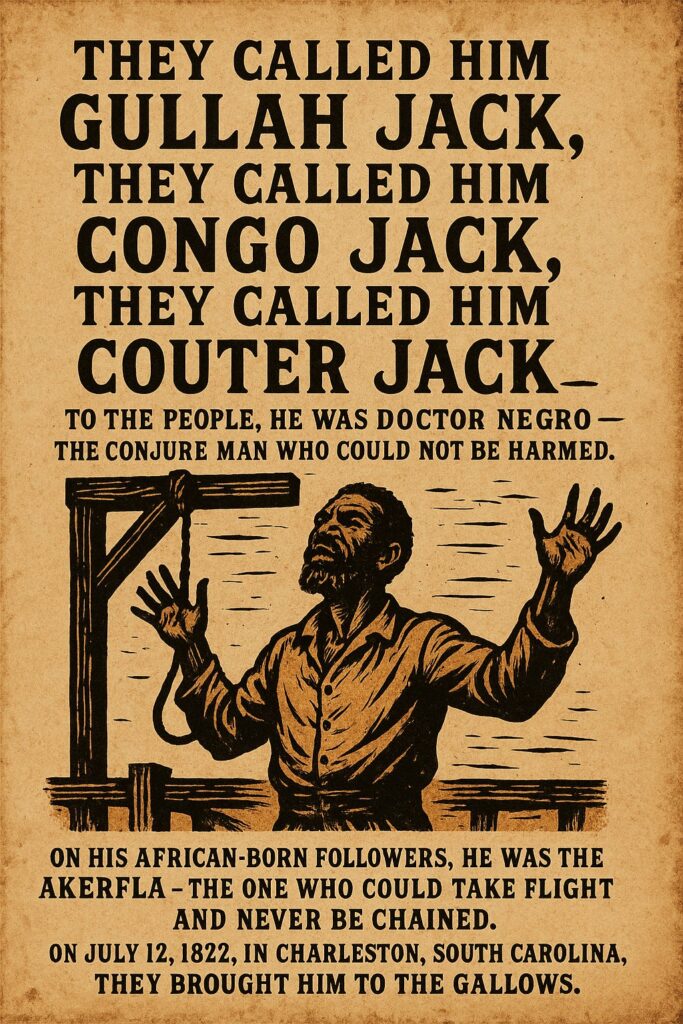
Another important figure in the events of 1822 was Gullah Jack Pritchard, sometimes referred to simply as Gullah Jack.

Unlike Vesey, who had established himself as a free carpenter and businessman, Jack remained enslaved. He worked as a ship caulker in Charleston and was associated with African spiritual traditions that had survived the forced transportation of Africans across the Atlantic.

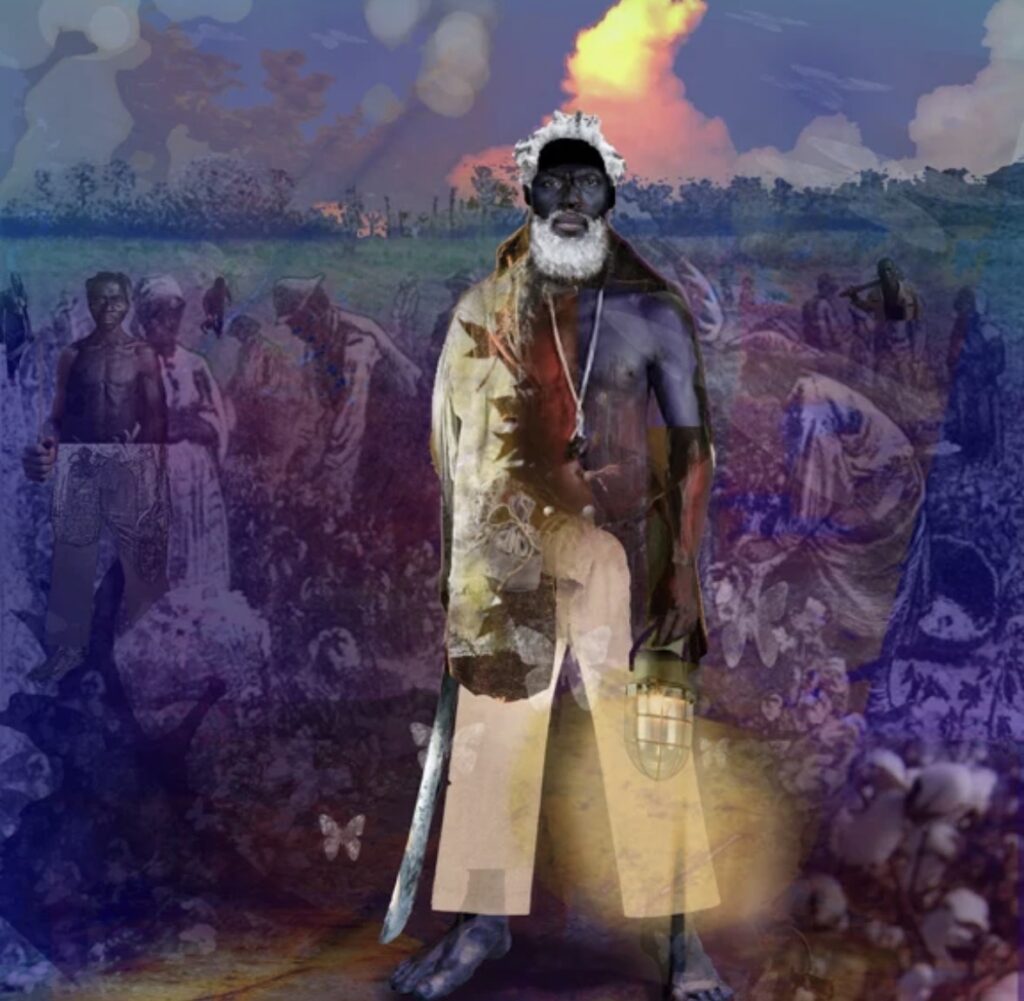
Historical accounts identify Jack as an African-born man, often associated with Mozambique. Before arriving in Charleston, he had been enslaved by Zephaniah Kingsley, who reportedly described him as a priest in his homeland. Kingsley eventually sold him to South Carolinian Paul Pritchard.

Jack was known for carrying a small spiritual pouch, commonly described as a conjure bag. His religious practices and reputation gave him a particular standing among other enslaved people.

Accounts described him as a relatively small man with a large, unkempt beard. More importantly, he was believed by some to possess spiritual powers and the ability to protect those who followed him.

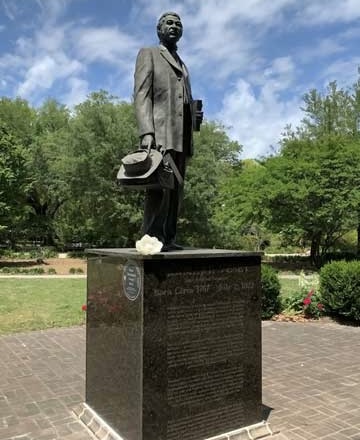
Denmark Vesey – Hampton Park

His influence was rooted in traditions that connected African spirituality, community identity and resistance.

In the unfolding events of 1822, Gullah Jack became associated with Vesey’s movement. He was reportedly an important recruiter among enslaved Africans and helped bring people into the circle of those discussing an uprising.

His presence also illustrates something often overlooked in the history of Charleston: resistance to slavery was not exclusively political or military. It was also cultural, spiritual and communal.

African traditions survived despite extraordinary efforts to suppress them. In Charleston, those traditions became part of the cultural foundation that would help shape the Gullah Geechee community for generations.

The summer Charleston came to a standstill

By the spring of 1822, authorities were receiving reports of conversations about a planned uprising involving enslaved and free Black residents.

The reported plan was ambitious. According to the official account, participants intended to seize weapons, attack strategic locations, overpower the city’s defenses and ultimately escape to Haiti.

The uprising was reportedly planned for July 14, Bastille Day, a date carrying symbolic significance because of the French Revolution and its association with liberty.

But the plans never materialized.

In May, information about the alleged conspiracy reached white authorities. One of the men who helped expose it was George Wilson, an enslaved man who informed his enslaver of what he had heard.

As additional information emerged, Charleston officials moved quickly.

Arrests began, the city increased its security presence, and the investigation expanded. By June, Charleston was gripped by fear and uncertainty.

The authorities convened a special court of magistrates and freeholders to investigate and prosecute those accused of involvement.

The proceedings were conducted behind closed doors. Testimony was gathered, defendants were questioned, and sentences were handed down.

Denmark Vesey was arrested and tried in late June. He was sentenced to death and hanged on July 2, 1822, alongside several other accused men.

Gullah Jack was arrested shortly afterward. He was also convicted and executed.

In total, the official court records reported 131 arrests, 67 convictions and 35 executions. Others faced banishment from the United States.

The consequences extended far beyond those who were arrested.

A trial that remains debated by historians

There is an important distinction between what Charleston’s authorities reported in 1822 and what historians can establish with certainty today.

For nearly two centuries, the Vesey conspiracy has been presented as one of the most extensive planned slave uprisings in American history.

However, the reliability of the original investigation has been questioned.

The proceedings were secretive, testimony was sometimes secondhand, and some witnesses were enslaved men facing extraordinary pressure. Questions have also been raised about whether some statements were coerced and whether the authorities exaggerated the extent of the alleged conspiracy.

Some historians believe Vesey organized a genuine, extensive antislavery movement. Others have argued that the investigation and subsequent executions reflected a broader effort by white authorities to suppress Black independence and religious organization.

The historical debate does not diminish the significance of the people involved. Even discussions about organized resistance to slavery were dangerous under South Carolina law.

The aftermath: A city determined to regain control

The consequences of the summer of 1822 were profound.

Charleston’s white leadership became increasingly concerned about the city’s large Black population, independent Black religious institutions and the possibility of future resistance.

The African Church associated with Vesey was destroyed. Restrictions on the movement and activities of enslaved and free Black residents increased, and the city strengthened its security infrastructure.

The episode also contributed to the development of the institution that became the Citadel, established as a military academy in 1843. The earlier building had been constructed as an arsenal in the aftermath of the 1822 uprising scare.

The fear generated by the events of that summer would continue to influence Charleston’s racial and political landscape for decades.

Remembering the men behind the history

Today, the names Denmark Vesey and Gullah Jack occupy an important place in Charleston’s African American history.

Vesey is commemorated by a monument in Hampton Park, a reminder of a man whose life became intertwined with the struggle against slavery. His legacy is also connected to Mother Emanuel, one of the most historically significant African American churches in the United States.

Gullah Jack’s story offers another perspective, one that brings African spiritual heritage and the survival of cultural identity into the conversation.

Their lives were different, but their stories intersected during a summer that exposed the profound tensions at the heart of Charleston society.

It is easy to walk the streets of downtown Charleston today and admire the architecture, historic homes and beautiful churches without considering the extraordinary human stories that unfolded on those same streets.

But Charleston’s history cannot be told through its grand buildings and celebrated merchants alone. It must also include the people whose lives were shaped by enslavement, the families separated by it, the communities that endured it and those who dared to imagine something different.

The summer of 1822 was a moment of fear, tragedy, resistance and profound consequence.

More than 200 years later, Denmark Vesey and Gullah Jack remain part of a story Charleston should never forget.

Historical note: This article distinguishes the documented arrests, trials and executions from disputed details of the alleged uprising. The surviving official record was produced by the authorities who prosecuted the accused.

Stay connected and subscribe to Charleston Daily.

Painting source: Black Art of America

South of Calhoun: A Culinary Journey Along Charleston’s Historic Meeting Street

Iron Rose

By Mark A Leon

From Lowcountry seafood and elegant Southern dining to globally inspired cuisine, handmade pasta and decadent desserts, discover four restaurants adding flavor and personality to one of downtown Charleston’s most interesting dining corridors.

Charleston’s culinary reputation is built on tradition, but one of the things that makes the Holy City so exciting is its willingness to embrace new flavors and experiences.

South of Calhoun Street, Meeting Street offers a wonderful cross-section of that culinary personality. Historic buildings, intimate dining rooms, beautiful courtyards and distinctive kitchens create a neighborhood where no two dining experiences need to be alike.

Here, you can enjoy coastal Southern cooking, experience a Charleston seafood institution, discover globally inspired seafood and handmade pasta, or travel through the flavors of Pakistani cuisine without ever leaving downtown.

Whether you’re looking for an elegant evening out, a creative cocktail, a memorable dinner or something sweet to finish the night, these four restaurants deserve a place on your Charleston dining itinerary.

Iron Rose: Southern Coastal Cooking With a Garden Atmosphere

115 Meeting Street | Inside The Mills House Hotel

Located inside the historic Mills House Hotel, Iron Rose combines contemporary Southern coastal cooking with an inviting courtyard featuring lush greenery and a beautiful fountain. It is an appealing setting for brunch, a leisurely lunch or a romantic evening downtown.

The restaurant’s menu celebrates familiar Southern ingredients while incorporating contemporary techniques and unexpected flavor combinations.

Two dishes worth exploring include:

Seared Scallops: Served with asparagus, Vidalia onions, almonds and pesto limone. A thoughtfully composed seafood dish that balances richness with fresh, bright flavors.

Roasted Black Grouper: Prepared with wild mushrooms, fregola sarda, sherry cream and red wine gastrique. A wonderful example of coastal ingredients meeting contemporary culinary creativity.

And then there is dessert. Iron Rose offers tempting finishes, including its spiced carrot cake with whipped cream cheese and candied pecans, and strawberry lemon tiramisu featuring mascarpone and local strawberries.

For those who appreciate a beautiful setting as much as a good meal, Iron Rose is one of Meeting Street’s more inviting dining experiences.

Hyman’s Seafood: A Charleston Tradition That Keeps Giving

215 Meeting Street

The Hyman family’s business presence on this block dates to 1890, and the family opened its seafood restaurant in 1986. Today, it remains one of downtown Charleston’s most recognizable seafood destinations.

The atmosphere is energetic, the portions are generous, and the menu celebrates the seafood traditions that have helped define Lowcountry cooking.

Two signature selections stand out:

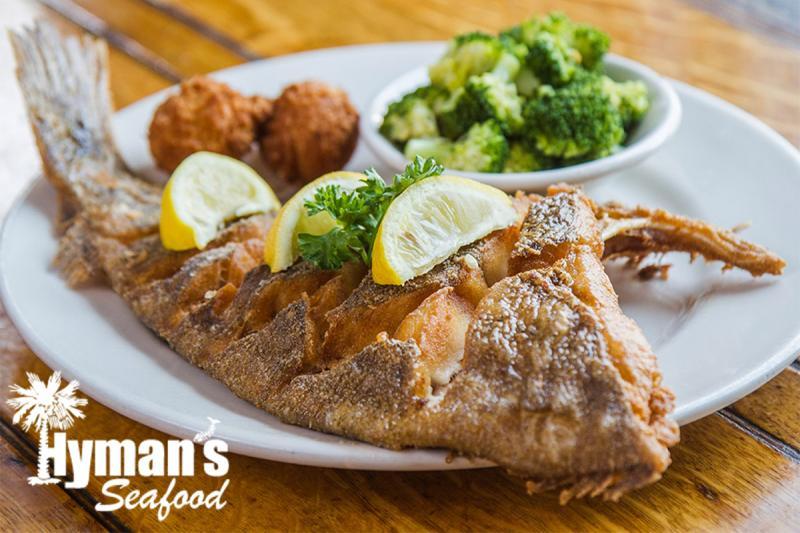
Whole Crispy Flounder: A 20-ounce, bone-in flounder, scored and fried until golden. It is Hyman’s best-selling dish and a favorite among seafood enthusiasts.

Charleston She-Crab Soup: A creamy Lowcountry classic featuring crab, offering a taste of one of Charleston’s most recognizable culinary traditions.

Hush puppies, shrimp platters, oysters and crab cakes round out the experience.

Hyman’s may not be an intimate, candlelit dining experience, but that’s part of its appeal. It is a lively, distinctly Charleston restaurant where seafood, family history and hospitality come together.

Cheeky: A Playful New Chapter for Meeting Street Dining

151 Meeting Street

Charleston’s restaurant scene has another reason to get a little cheeky.

From the team behind several successful Charleston restaurant concepts, Cheeky takes inspiration from the world’s great coastlines. Its approach is polished but playful, offering something a little different from the traditional Lowcountry dining experience.

Cheeky

Two menu selections worth exploring:

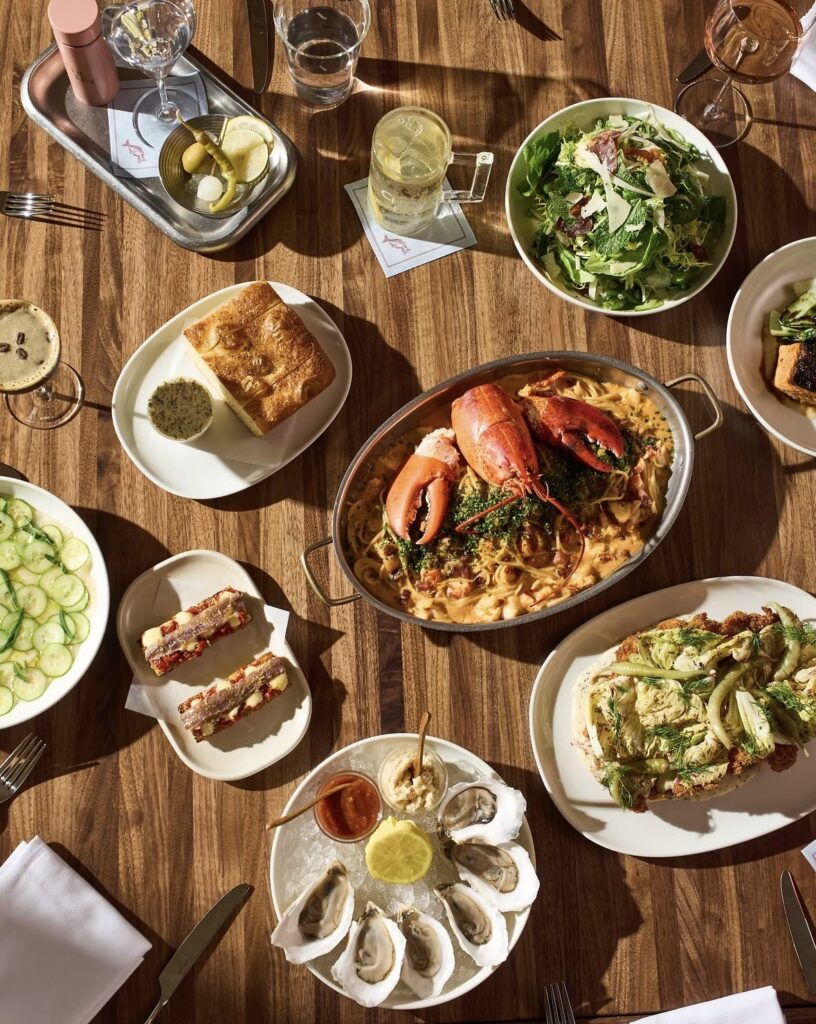
Lobster Spaghetti: Handmade pasta paired with lobster, offering a decadent seafood-forward take on an Italian favorite.

Bluefin Toro Sashimi: Rich bluefin tuna belly prepared with yuzu kosho and shoyu, delivering bright, Japanese-inspired flavors.

Dessert deserves some attention, too. The Sticky Date Cake and Basque Vanilla Cheesecake offer two tempting ways to finish the evening.

The beverage program adds another layer of personality. Signature miniature cocktails, appropriately named Cheekies, offer a playful alternative to traditional cocktails, while martinis, highballs and sparkling wines round out the experience.

Cheeky brings something different to this historic stretch of Meeting Street: a lively, contemporary seafood destination that embraces Charleston’s coastal identity while looking well beyond the Lowcountry for inspiration.

Ma’am Saab: A World of Pakistani Flavor on Meeting Street

251 Meeting Street

Modern Pakistani cooking meets Southern hospitality at this imaginative restaurant, where bold spices, traditional recipes and contemporary presentation create something different from the familiar Charleston dining experience.

Inspired by the food cultures of Karachi, Lahore, Lucknow and beyond, Ma’am Saab invites guests to explore a cuisine that deserves a place in the conversation about Charleston’s evolving restaurant scene.

The atmosphere is equally memorable, with dramatic design, intimate lighting and a lively bar.

Ma’am Saab

Two menu selections worth considering:

Lucknow Nihari: A 16-hour slow-cooked lamb shank served in a silky gravy of roasted spices and aromatics. This traditional dish is a centerpiece of Pakistani culinary heritage.

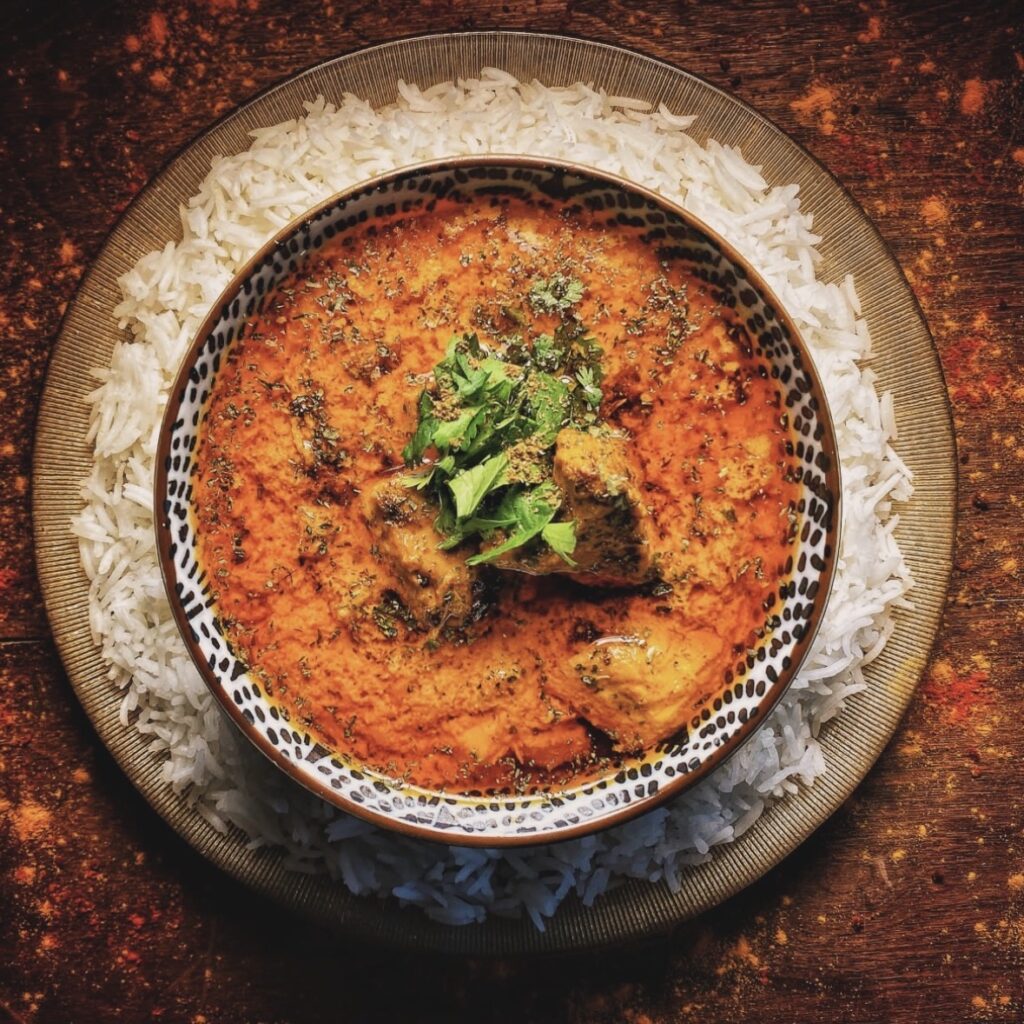
Butter Chicken: Roasted chicken in a rich golden curry, served with basmati rice. A comforting and flavorful introduction for anyone discovering Pakistani cuisine.

The restaurant also offers a selection of starters, including chaat, samosas and specialty street-food-inspired dishes.

And don’t leave without considering dessert. Gulab Jamun, a traditional South Asian sweet, offers a delicious ending to a spice-forward meal. Seasonal cheesecake provides another option for those looking for a more familiar finish.

Ma’am Saab is more than another restaurant on Meeting Street. It represents the diversity of Charleston’s growing food culture and the creativity of chefs bringing their own heritage and stories to the table.

Four Restaurants, Four Different Charleston Experiences

What makes this section of Meeting Street so interesting is the contrast.

At Iron Rose, you have Southern coastal cooking served in a beautiful garden setting. At Hyman’s, you experience the seafood traditions and family history that have helped shape Charleston’s reputation. At Cheeky, you discover globally influenced seafood, handmade pasta and a playful approach to dining. At Ma’am Saab, you travel thousands of miles through flavor without ever leaving downtown.

Four restaurants. Four distinct culinary personalities. One historic Charleston corridor.

And while Charleston will always be celebrated for its shrimp and grits, she-crab soup, oysters and fresh local seafood, its food culture continues to grow through restaurants willing to introduce something unexpected.

There is something wonderful about being able to experience so many different culinary traditions within a relatively short walk. It’s part of what makes downtown Charleston such an appealing destination for locals and visitors alike.

The next time you’re exploring downtown, head south of Calhoun Street, take your time along Meeting Street and bring your appetite.

Stay for dinner. Order dessert. Enjoy a cocktail. Explore a little farther than you normally would.

Charleston has plenty of history to see. But some of its best stories are told one plate at a time.

Charleston Daily | Restaurant menus, prices and seasonal selections are subject to change. Check individual restaurant websites for current offerings and hours.

Related: Look Up Charleston Indoor Downtown Art Collective: Where Local Art, Heart, and Community Converge