by
By Mark A Leon
Between Rutledge Avenue and Ashley Avenue, a stretch of downtown Charleston is quietly becoming one of the peninsula’s most interesting dining destinations. Here, neighborhood loyalty, independent vision and international flavors are bringing people together, one meal, cup of coffee and conversation at a time.
There is something happening along Spring Street.
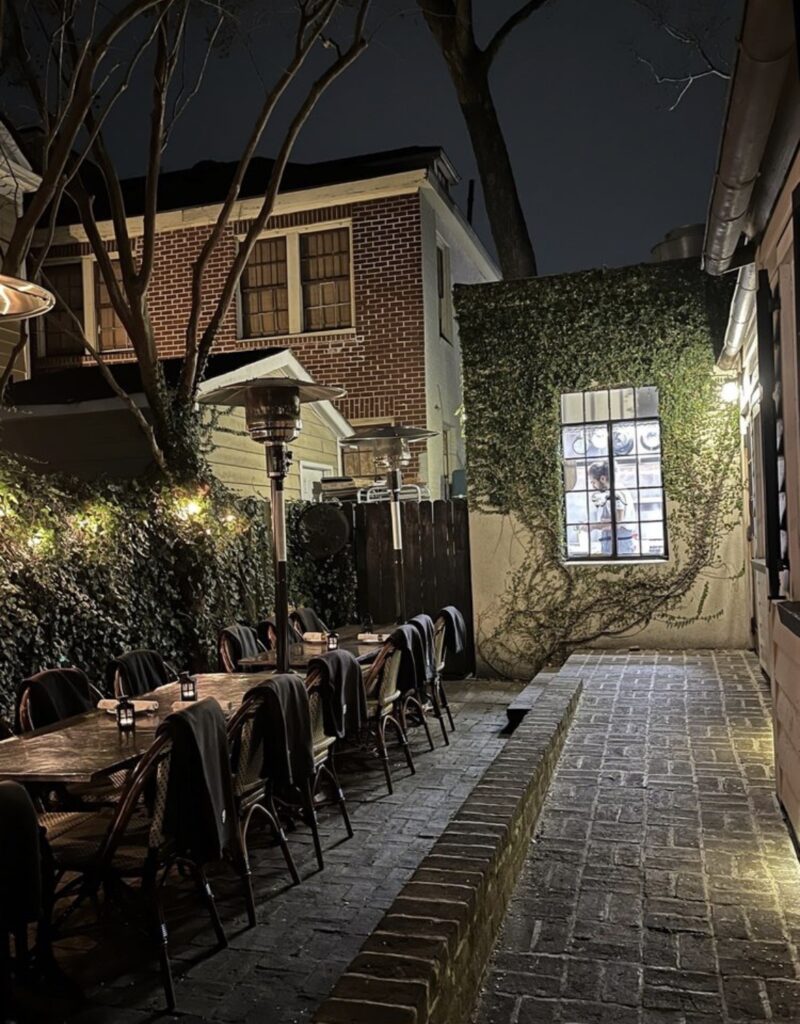
Away from some of Charleston’s more heavily traveled restaurant corridors, between Rutledge Avenue and Ashley Avenue, a culinary renaissance is taking shape. It isn’t driven by a single celebrated chef, a trendy restaurant group or an elaborate marketing campaign. Instead, it is being built one neighborhood gathering place at a time, with independent businesses, distinctive menus and a growing community of loyal customers.
Spring Street has developed an identity all its own. It is a place where college students sit alongside longtime residents, where visitors discover something unexpected, and where people from different backgrounds, cultures and nationalities share a common appreciation for good food and genuine hospitality.
What makes this stretch particularly interesting is its diversity. Spanish tapas, Italian-inspired dining, specialty coffee, handmade pasta, Asian comfort food and the unmistakable appeal of a proper Philadelphia cheesesteak all find a place within this relatively compact downtown neighborhood.
It is not simply a collection of restaurants. It is a reflection of the evolving Charleston dining scene.
A Neighborhood with an International Appetite
At 122 Spring Street, Estadio brings the flavors and social traditions of Spain to the neighborhood. Built around tapas, pintxos, vermouth, sherry and natural wine, Estadio offers an experience that encourages people to slow down, order another plate and enjoy the company around the table.
The Spanish-inspired approach to dining is inherently communal. Rather than making the meal about one entree, it invites guests to explore several flavors together. It is the sort of place where dinner can become an evening, and a casual stop can turn into a regular ritual.
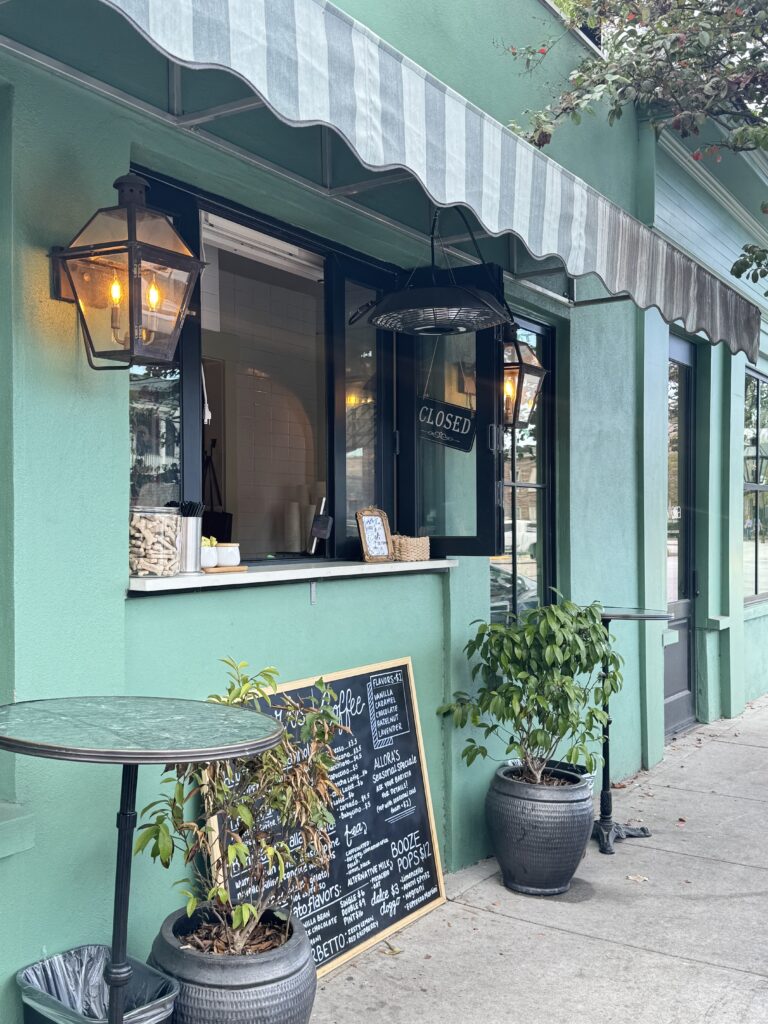
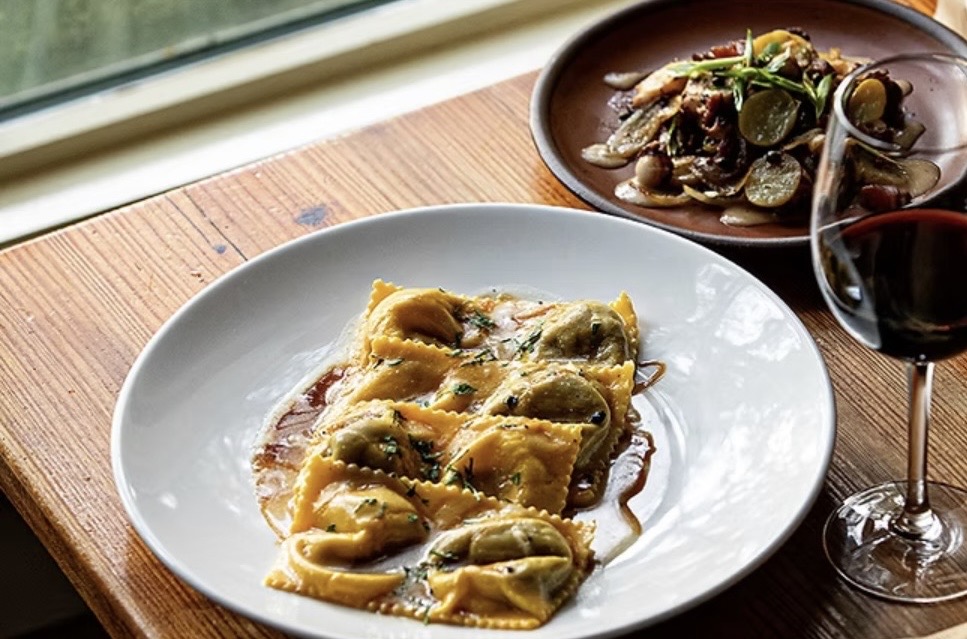
Just a few doors away, Allora, at 114 Spring Street, brings a different European influence to the block. Inspired by the coastal charm of southern Italy, Allora combines handmade pasta, Italian hospitality, cocktails and an inviting rooftop experience.
Its streetside coffee and gelato window adds another dimension to the concept, giving the neighborhood an easy daytime destination for espresso, an afternoon treat or something sweet after dinner. It is a thoughtful blend of full-service dining and the casual pleasures that make a neighborhood restaurant part of everyday life.
Nearby, Bad Bunnies Coffee, at 116 Spring Street, has established itself as a specialty coffeehouse and neighborhood hangout. In a city where coffee culture continues to evolve, independent shops like Bad Bunnies offer something beyond a caffeine stop. They provide a place to meet, work, reconnect and become familiar with the people who make a neighborhood feel like home.
Its presence reinforces an important part of Spring Street’s appeal: the district is not exclusively about dinner reservations. It has a daytime personality, too.
The Appeal of Independent Flavor
At 227 Rutledge Avenue, near the Spring Street intersection, Luther’s Market adds another layer to the neighborhood’s culinary identity.
A family-run market and food destination, Luther’s brings scratch-made global comfort food, fresh pasta, sauces, sandwiches and rotating farmtable offerings to the community. The concept extends beyond the traditional restaurant model, allowing customers to enjoy something prepared for them while also taking home ingredients and specialties for another meal.
The emphasis on freshness, craftsmanship and personal service gives Luther’s a distinctly neighborhood-oriented feel. It is the kind of business that becomes part of someone’s weekly routine, not simply a place to visit on a special occasion.
Then there is South Street Cheesesteaks, located at 119 Spring Street, bringing a taste of Philadelphia to downtown Charleston.
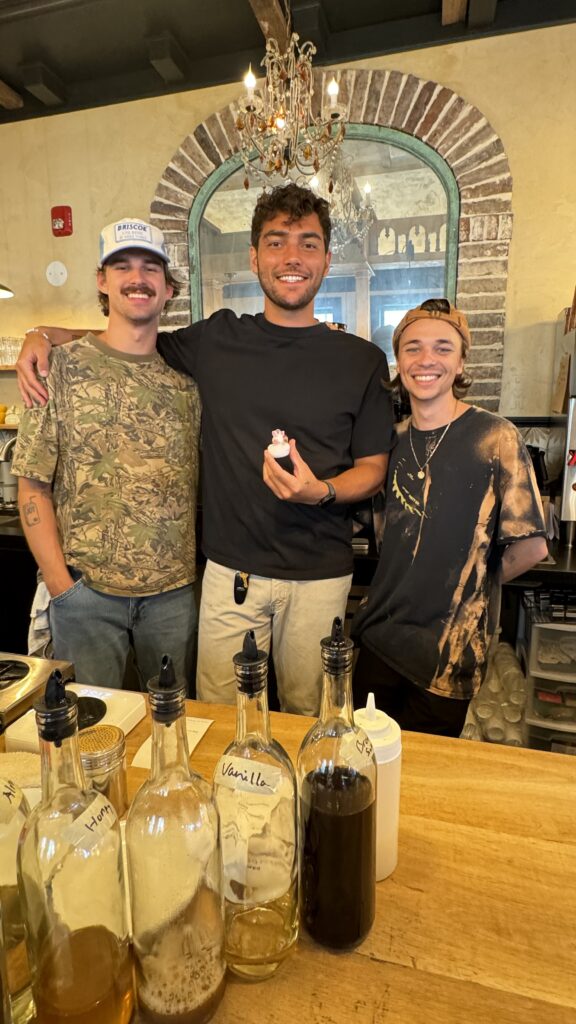
There is something wonderfully uncomplicated about the appeal of a great cheesesteak. Freshly prepared beef, a proper roll and a choice of cheeses are at the center of the experience. South Street’s personality is a reminder that a thriving dining neighborhood needs more than upscale menus and destination restaurants. Sometimes, people simply want a satisfying sandwich made with care.
That diversity is precisely what makes the corridor interesting. Different price points, different culinary traditions and different dining occasions can coexist without competing for the same customer.
A Charleston Original with an Asian Influence
One of the neighborhood’s most recognizable culinary destinations is Xiao Bao Biscuit, located at 224 Rutledge Avenue, at the corner of Spring Street.
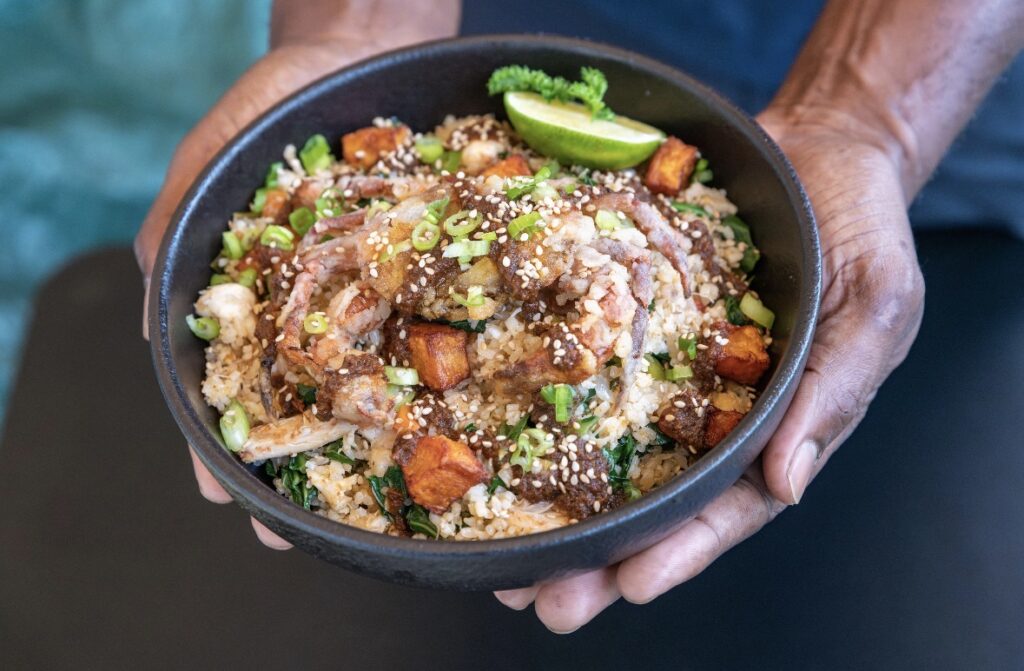
Since opening in 2012, Xiao Bao Biscuit has helped introduce Charleston diners to a distinctive approach to Asian-inspired comfort food. Housed in a converted gas station, the restaurant has developed a personality as memorable as its setting.
Its pan-Asian influences and inventive approach to familiar dishes have made it a destination for locals and visitors alike. The menu encourages exploration, and the atmosphere feels refreshingly different from the conventional downtown dining experience.
Xiao Bao is an important part of the area’s culinary story because it demonstrates that Charleston’s food identity is not confined to its traditional Southern roots. The city’s dining culture continues to grow through the creativity and perspectives of people bringing different culinary traditions to the table.
More Than a Place to Eat
The Spring Street story also includes neighborhood gathering places such as Charlie’s on Spring, adding to the independent character and social fabric that give this part of downtown its personality.
What connects these businesses is not a shared cuisine, ownership group or marketing strategy. It is something more meaningful: the relationship between a neighborhood and the people who choose to support the businesses within it.
Regular customers become familiar faces. Owners and employees recognize the people walking through their doors. Recommendations travel by word of mouth, and reputations are built through consistency rather than advertising.
That kind of loyalty is increasingly valuable in a changing downtown landscape.
Charleston’s restaurant industry has never lacked creativity or ambition. But the neighborhoods that become truly special are often those where dining is woven into everyday life. They are places where people stop for coffee before work, pick up lunch, meet friends for a glass of wine or discover a new favorite restaurant simply by walking down the street.
Spring Street is developing that kind of identity.
The Future Is Local
There is a larger story unfolding here about the importance of independent businesses in shaping Charleston’s neighborhoods.
The character of a city is not defined solely by its landmarks, historic buildings or celebrated attractions. It is also defined by the small businesses that fill its storefronts, the entrepreneurs willing to take a chance, and the customers who return often enough to make those businesses sustainable.
Between Rutledge and Ashley, Spring Street offers a compelling example of what happens when different cultures, culinary ideas and independent operators come together.
It is unpretentious, diverse and increasingly distinctive.
Perhaps its greatest strength is that it doesn’t feel manufactured. Its appeal has grown through reputation, relationships and the loyalty of people who have made these establishments part of their Charleston experience.
The next time the conversation turns to where Charleston’s dining scene is heading, look beyond the familiar names and crowded corridors.
Take a walk down Spring Street.
You may discover that one of the city’s most interesting culinary stories is already unfolding there.
Stay connected and subscribe to Charleston Daily.
Related: Sorghum & Salt: Where Culinary Creativity Meets Southern Hospitality in Charleston