by
by 
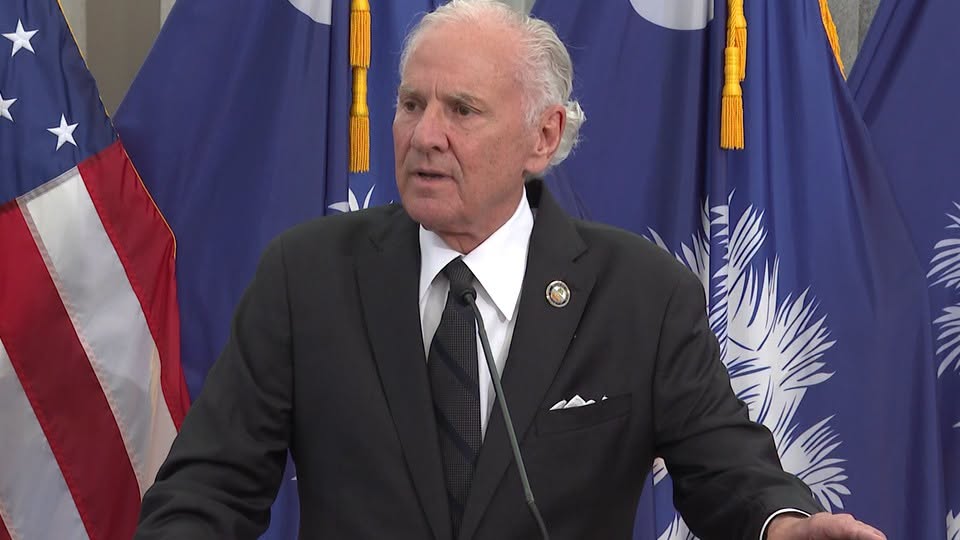
COLUMBIA, S.C. – Governor Henry McMaster today issued Executive Order 2026-24, establishing the Governor’s Conservation Commission. The Commission will strengthen collaboration among state and local agencies, private landowners, and entities and citizens in preserving South Carolina’s natural resources, wildlife, historic sites, and cultural heritage.
“South Carolina’s natural beauty and rich history are an important part of what makes our state unique,” said Governor McMaster. “As our state continues to prosper, we must be thoughtful and think broadly about how we preserve the land, historic sites, and cultural heritage that define South Carolina. We know that our economic, academic, and conservation efforts each depend on the other to thrive. This Commission will help bring people together to strengthen our conservation efforts and protect these resources for future generations.”
To date, South Carolina has preserved approximately 3.4 million acres of land, including approximately 400,000 acres added since 2017. Governor McMaster has called for preserving 10 million acres for current and future generations. The South Carolina Protected Lands and Conservation Coordination Act of 2026 established a long-range goal of protecting 7 million acres by 2050, and the Working Agricultural Lands Preservation Act of 2024 addressed voluntary conservation easements, among other actions taken.
The Governor’s Conservation Commission will advise the Governor and Executive Branch on conservation and preservation strategies, promote coordination among state agencies, and assist local governments in developing conservation goals. The Commission will also work to increase public awareness of South Carolina’s history and culture, identify potential funding sources, and encourage partnerships among public, private, academic, and nonprofit organizations.
The Commission will include key state officials serving as ex officio members and up to 26 members appointed by the Governor from the private and academic sectors. The Commission will serve in an advisory capacity.
The executive order takes effect immediately.
Stay connected and subscribe to Charleston Daily.