by
by 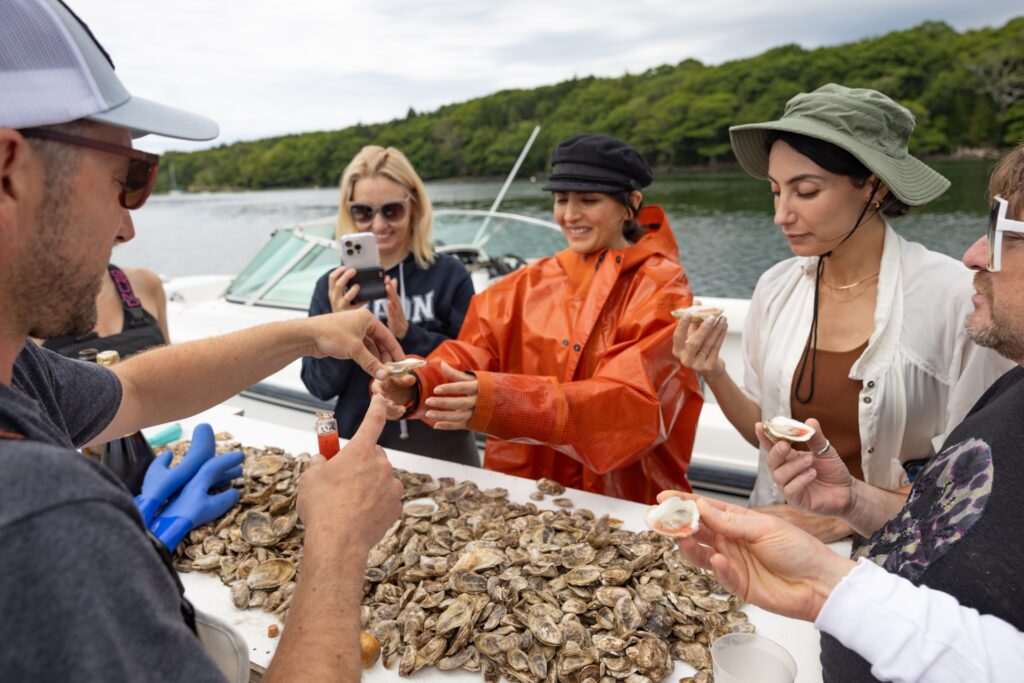
By Mark A Leon
Virginia Shaffer’s journey from travel management to oyster sommelier is a coastal coming-of-age story rooted in craftsmanship, storytelling, and a deep sense of community and place. In a conversation with Charleston Daily about her new book, Oyster Society, Shaffer reflects on the experiences that shaped her career and the people who taught her that oysters are more than just food—they’re a bridge between waters, workers, and the memories we carry home. Through oral storytelling, immersive experiences, and the beauty of the natural landscape, Shaffer creates meaningful moments that stay with her guests long after the experience ends.
The spark came on a wind-swept Maine shoreline, where Shaffer led a six-night seafood retreat that brought together cooking classes, farm tours, fishing trips, and conversations around the table. Guests left with more than full stomachs; they left with a deeper connection to the food, the people, and the places behind it. It was there that Shaffer discovered her calling: translating complex marine ecosystems into stories anyone could appreciate and taste. At the heart of her work is a commitment to highlighting the people behind the product and the natural environments that give each oyster its distinctive character. As she puts it, “Taste appreciation is a combination of natural environments and the efforts of our oyster growers. Our job is to give our guests the full context of the story that defines “merroir.”
Oyster Society brings that purpose to life. Each chapter unfolds like an essay with its own distinct voice, introducing chefs who credit the producers behind their ingredients, restoration leaders working to revive lost species and foodways, and shuckers whose precision and nerve transform a demanding craft into a ritual. A central theme emerges throughout: an oyster’s origin matters just as much as the technique used to prepare it. By weaving these perspectives together, Shaffer creates a collective portrait of food systems as people systems, reminding readers that respect for the source is the first ingredient.
Her profiles reach beyond accolades to capture the realities of the work: dawn harvests in biting winds, the unpredictability of Mother Nature, the community partnerships needed to protect clean waters, and the choreography of shucking, where speed must never come at the expense of care. In Shaffer’s telling, flavor is geography you can taste. She explores merroir—the ocean’s answer to terroir—revealing how salinity, phytoplankton, minerals, and nearby marshes or eelgrass beds shape an oyster’s distinctive character. From the minerality of a clay-bottom farm to the bright, vegetal notes of a sheltered cove, every harvest captures a moment in place and time. “Every oyster is a little vintage, like wine of its home water,” she says, “and when opened, it tells us a story.”
She invites readers to slow down at the raw bar: smell the oyster’s aromatics first, sip the brine, and fully chew the oyster to release flavors.

Charleston Connection
Charleston stands out as a place where tradition and innovation share the same table. Shaffer celebrates the Lowcountry’s steamed-oyster heritage—rooted in family gatherings, tonged reefs, and Gullah culture—alongside a newer wave of aquaculture that improves water quality and expands access. She’s clear-eyed about the balance: farms can supercharge clarity and habitat conditions but don’t replace the human effort required to rebuild wild reefs. That duality feels rare and instructive—reverence for history paired with practical methods that sustain the future.
In kitchens across the city, she sees chefs writing menus that honor both lanes: raw-bar flights named for the creeks they came from, humble roasts that echo the communal tables of decades past. On the water, farmers experiment with gear heights and rotations to tune texture and cup depth—micro-decisions that ripple into mouthfeel and finish.
Beneath the science and policy is a deep-rooted passion for hospitality. Shaffer has a clear vision of what she hopes guests will take away from her experiences: first, a lasting memory; second, a story worth sharing; and third, a meaningful lesson that stays with them. This philosophy reflects her belief that wonder is the gateway to learning and that sensory experiences allow people to connect with oysters in their own way. The goal is to create an experience that is felt before it is analyzed, remembered before it is recited.
At her events, a “gateway” oyster—broiled with chili butter and mild cheese—offers a welcoming introduction for skeptical palates, gently guiding newcomers toward the vibrant flavors of raw oysters and the subtle nuances of their origins. Shaffer pairs each tasting with a story: a farmer’s first season, a cove’s shifting currents, or a restoration crew’s early-morning work. In doing so, she transforms tasting notes into human stories, connecting each bite to the people and places behind it.
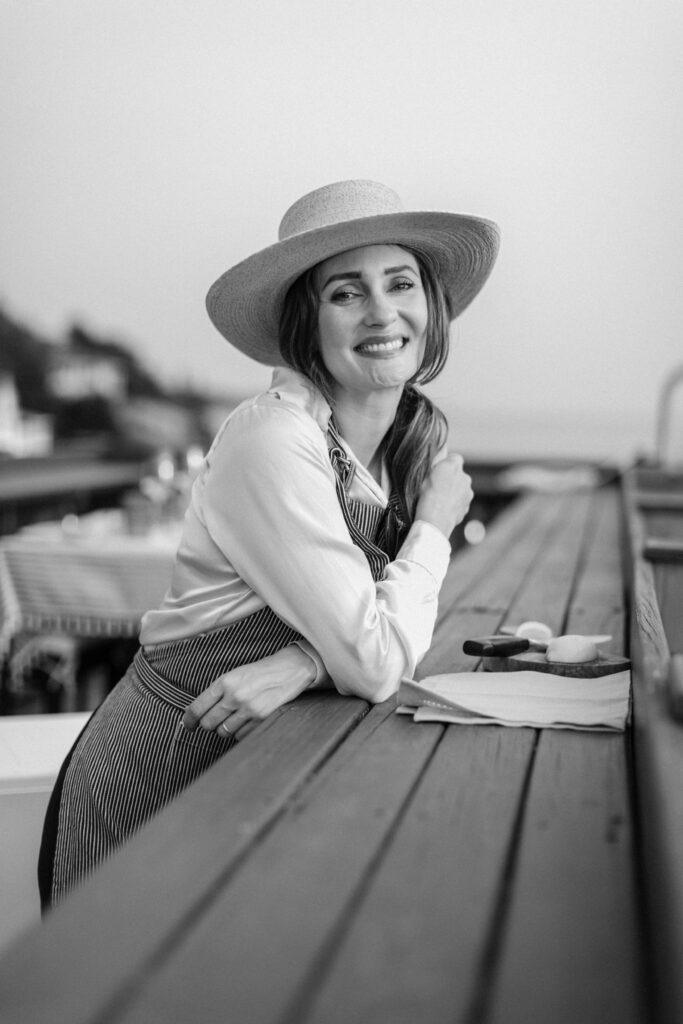
In Charleston’s docks and dining rooms, Shaffer sees a living classroom. From the festivals that first sparked her imagination to the shorelines where wild and farmed oysters coexist and the kitchens where creativity meets responsibility, the Lowcountry offers an endless source of inspiration. Her mission is to continue amplifying these voices, helping diners recognize the ecosystem, craftsmanship, and community behind every oyster.
Heart of Oyster Society
For Shaffer, the oyster is a reminder of the importance of listening—to the land and water, to one another, and to ourselves. Within that simple act lies a deeper invitation: to see taste as a map, community as its legend, and every shell, once opened, as an opportunity to connect and belong. When we understand the story, we savor the season; when we honor the source, we help nourish the future.
Click HERE to learn more about Virginia and purchase Oyster Society.
Stay connected and subscribe to Charleston Daily.