 by
by 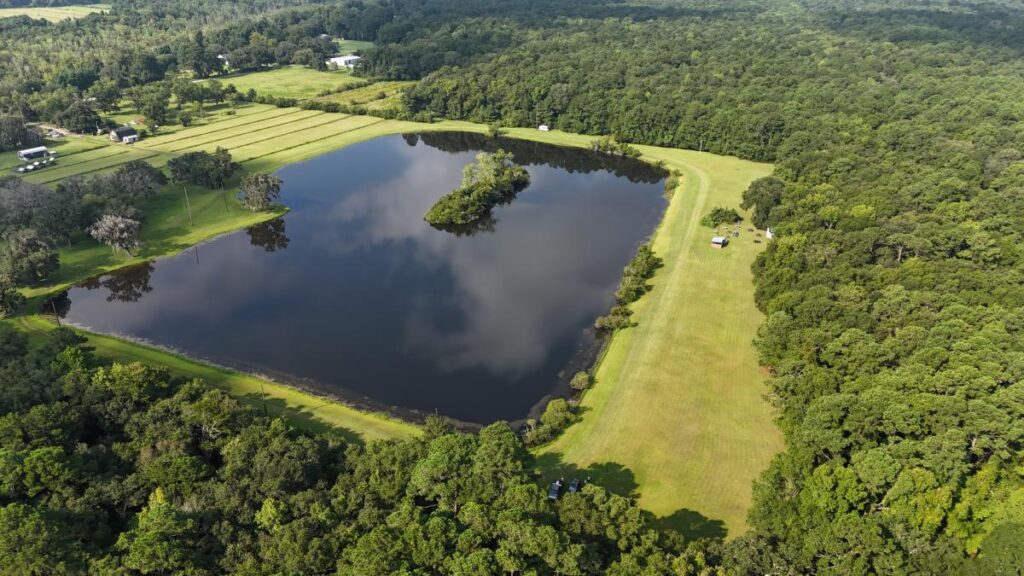
By Mark A Leon
One of the most significant components of Charleston County’s proposed 2026 Transportation Sales Tax referendum isn’t a road or a bridge—it’s the land that may never be developed.
Under the proposal, approximately $690 million, or 16% of the estimated $4.25 billion the half-cent sales tax is expected to generate over 25 years, would be dedicated to the Charleston County Greenbelt Program. The investment would represent the largest single funding commitment to land conservation in the county’s history and reflects a long-standing effort to balance rapid growth with preservation of the Lowcountry’s natural character.
Since its creation in 2004, the Greenbelt Program has protected thousands of acres of farmland, maritime forests, wetlands, wildlife habitat, historic landscapes, and public recreation areas throughout Charleston County. Rather than purchasing parks outright in every case, the program often acquires conservation easements, allowing property owners to retain ownership while permanently restricting future development.
County officials say preserving strategically located land does more than protect scenic views. Conserved properties help reduce stormwater runoff, improve water quality, protect wildlife corridors, preserve agricultural operations, and maintain the natural landscapes that define the Lowcountry. Protected wetlands and floodplains also serve as natural buffers during heavy rainfall and hurricanes, helping absorb floodwaters that might otherwise overwhelm developed areas.
Supporters also point to economic benefits. Charleston’s natural beauty is one of its greatest assets, attracting visitors from around the world while helping retain residents and businesses seeking a high quality of life. Parks, trails, waterways, and open spaces contribute to tourism, outdoor recreation, and property values while offering opportunities for hiking, kayaking, birdwatching, fishing, and environmental education.
The Greenbelt Program has helped conserve land across every corner of Charleston County, from Johns Island and Wadmalaw Island to Awendaw, Hollywood, Ravenel, James Island, Mount Pleasant, and West Ashley. Many of these properties remain working farms or privately owned forests, preserving both the county’s rural heritage and its agricultural economy.
As development continues to accelerate across the region, conservation advocates argue that protecting environmentally sensitive land today is less expensive than attempting to restore damaged ecosystems later. Once forests, wetlands, and farms are converted into subdivisions or commercial developments, those landscapes are rarely recovered.
Not everyone agrees with dedicating such a significant share of transportation sales tax revenue to conservation. Some residents believe more funding should be directed toward relieving traffic congestion through additional road construction, intersection improvements, or expanded transit service. Others contend that preserving open space ultimately reduces future infrastructure costs by guiding development toward existing communities rather than extending roads, utilities, and public services into undeveloped areas.
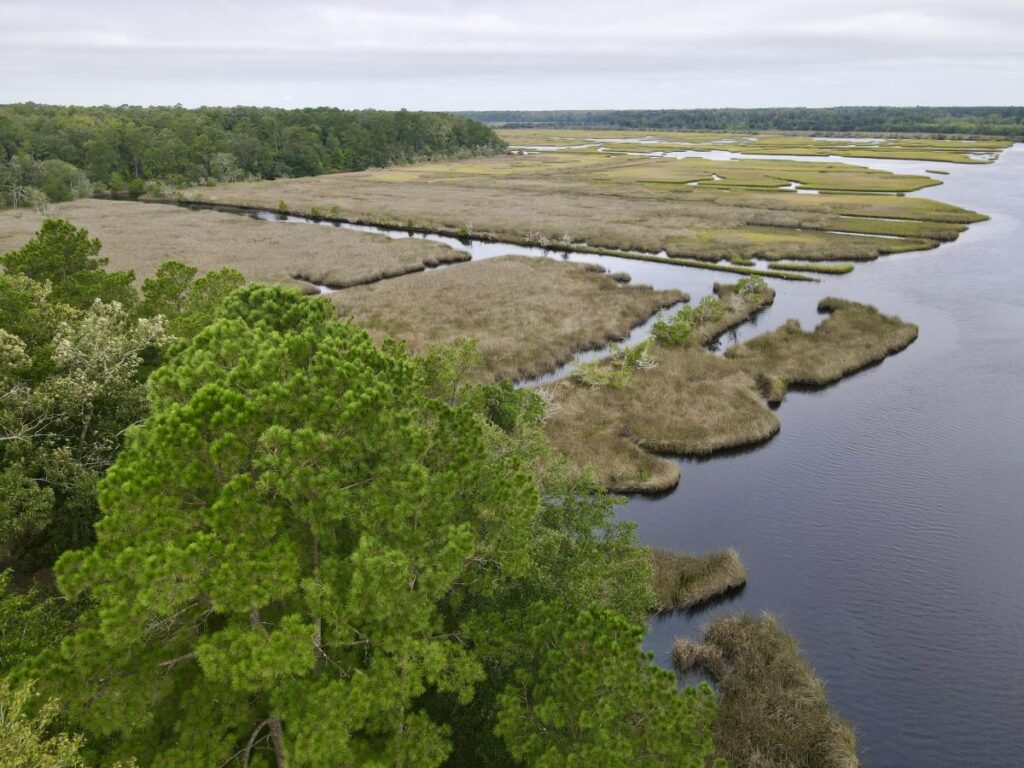
The proposed $690 million allocation reflects Charleston County’s broader philosophy that transportation planning and land conservation are closely connected. Protecting strategic parcels can limit sprawling development, preserve evacuation corridors, reduce flooding risks, and help ensure future growth occurs in locations better suited for new infrastructure.
Ultimately, voters will decide whether that balance reflects their vision for Charleston County’s future. If approved, the investment would continue one of the nation’s most recognized county-level land conservation programs while helping preserve the landscapes that have long made the Lowcountry unlike anywhere else.
Stay connected and subscribe to Charleston Daily.
